

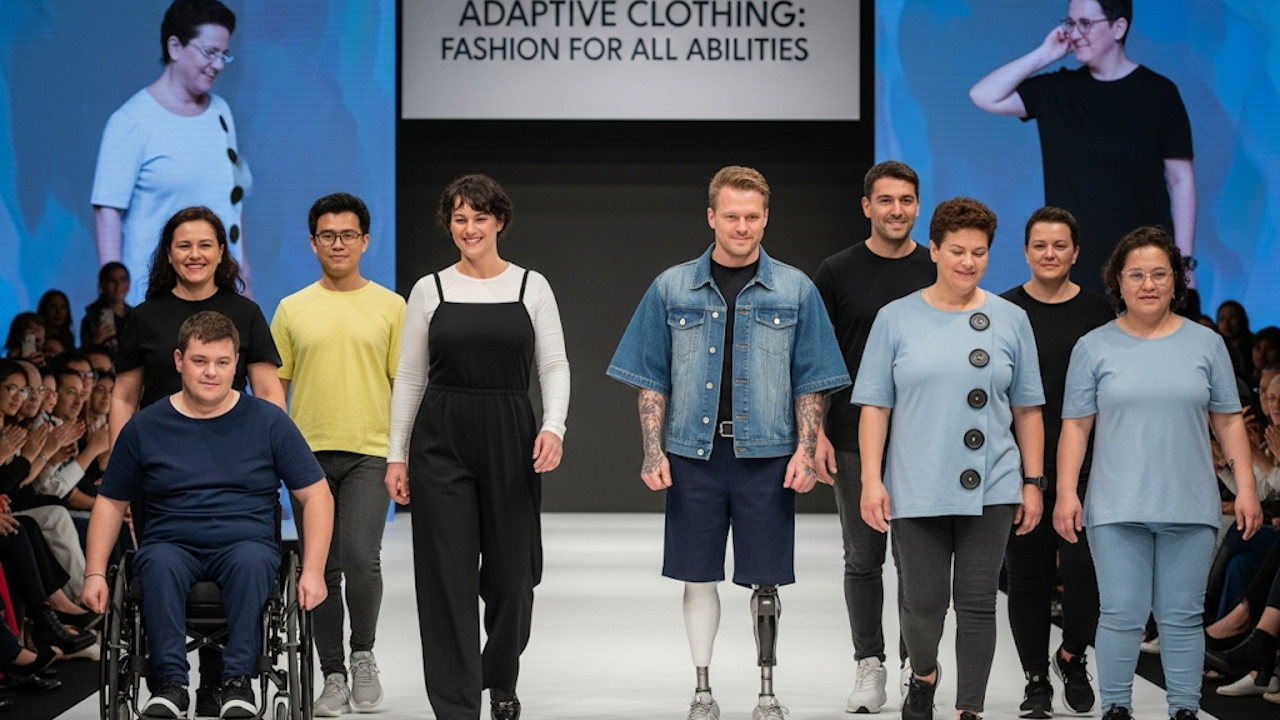
Fashion has long been a form of self-expression, identity, and confidence. For too many people, however, traditional clothing presents barriers rather than opportunities. Adaptive clothing addresses this gap by designing garments that prioritize functionality alongside style, making fashion accessible to individuals of all abilities. This growing segment of the apparel industry serves people with physical disabilities, limited mobility, sensory sensitivities, cognitive challenges, and age-related needs. It also supports caregivers by simplifying daily routines. Adaptive clothing represents more than modified apparel. It embodies dignity, independence, and inclusion.
Understanding Adaptive Clothing
Adaptive clothing refers to garments specifically engineered or modified to accommodate various physical, cognitive, or medical requirements. Unlike standard clothing, these pieces incorporate thoughtful adjustments that reduce the physical effort required for dressing and undressing. They maintain a fashionable appearance that blends seamlessly with everyday wardrobes.
The core principle involves adapting the garment to the wearer rather than requiring the wearer to adapt to the garment. Common users include wheelchair users, individuals with arthritis or dexterity limitations, people living with conditions such as multiple sclerosis or cerebral palsy, elderly adults experiencing reduced strength or flexibility, children with developmental disabilities, and those managing medical devices like feeding tubes or ports.
A Brief History of Adaptive Clothing
Adaptive clothing has roots that extend further back than many realize. Historically, families and caregivers modified everyday clothes themselves through sewing alterations. They added side openings or replaced buttons with easier fastenings. Specialized manufacturers emerged in the mid-20th century, focusing primarily on medical and senior care needs. Brands such as Silverts and Buck and Buck provided practical solutions for nursing homes and home care, though these options often prioritized utility over aesthetics and carried a clinical appearance.
The field remained niche until the 2010s. A pivotal moment arrived in 2016 when Tommy Hilfiger collaborated with disability advocate Mindy Scheier to launch an adaptive line for children. Scheier, motivated by her son’s needs, worked with the brand to incorporate features such as magnetic closures and adjustable elements into mainstream styles. This collaboration marked the entry of major fashion labels into the space and shifted perceptions from purely medical apparel to inclusive fashion.
Following this success, other retailers and designers expanded offerings. Nike introduced FlyEase shoes with hands-free entry. Target and JCPenney developed adaptive collections for kids and adults. Independent brands emerged with specialized focuses, including wheelchair-friendly cuts and sensory-friendly designs. The market has since grown, with projections highlighting significant economic potential as awareness increases.
Key Features and Design Innovations
Adaptive clothing stands out through specific design elements that enhance usability without sacrificing style. Manufacturers integrate these features discreetly so the garments resemble conventional fashion.
Magnetic closures replace traditional buttons and zippers. These allow one-handed or minimal-effort fastening, benefiting those with limited dexterity or tremors. Velcro and snap systems provide similar ease while remaining hidden in seams or plackets.
Side openings and rear access panels simplify dressing for wheelchair users or individuals with restricted arm movement. Pants may feature full side zippers or elastic waistbands with pull loops. Shirts often include envelope necks or shoulder openings that avoid the need to pull garments over the head.
Seamless construction and tag-free designs address sensory sensitivities. Soft, stretchy fabrics reduce irritation for people with autism, skin conditions, or allergies. Flat seams prevent pressure sores, particularly important for seated users or those with limited sensation.
Adjustable elements accommodate fluctuating body sizes due to swelling, medical equipment, or posture changes. Hem lengths, waistbands, and sleeve options can be modified easily. Discreet access points for medical devices, such as ports or catheters, allow quick caregiver intervention while preserving modesty.
Footwear adaptations include wide openings, elastic laces, and supportive yet flexible soles. Brands like Nike have pioneered innovative entry systems that eliminate the need for bending or tying.
Emerging technologies enhance these basics. Smart textiles incorporate sensors for health monitoring. 3D printing enables custom fits for unique body shapes or prosthetics. Lightweight, breathable materials improve comfort in various climates.
Benefits for Individuals and Caregivers
The advantages of adaptive clothing extend far beyond convenience. For wearers, these garments restore a sense of autonomy. Tasks that once required assistance or consumed significant energy become manageable independently. This independence boosts self-esteem and encourages greater participation in social, professional, and recreational activities.
Comfort improves daily quality of life. Reduced struggle with clothing minimizes frustration, fatigue, and potential injury from forceful dressing. Stylish options allow individuals to express personality rather than feeling defined by their needs. Many users report feeling more confident and included when wearing adaptive pieces that look like mainstream fashion.
Caregivers experience relief as well. Dressing processes that previously took 20 or 30 minutes can be completed in far less time with fewer physical demands. This reduction in strain helps prevent caregiver burnout and preserves energy for other essential tasks. Families report less stress and more positive interactions around daily routines.
For children, adaptive clothing supports development by fostering self-reliance in an area where peers achieve milestones earlier. Elderly individuals maintain dignity and normalcy in social settings. Professionals with disabilities can dress appropriately for work without compromising mobility or comfort.
Prominent Brands and Collections
The adaptive clothing market now includes both specialized companies and mainstream retailers. Tommy Hilfiger Adaptive remains a leader with lines for men, women, and children featuring magnetic buttons and easy-access designs. The brand has expanded to include jackets, jeans, and activewear.
IZ Adaptive specializes in stylish options for wheelchair users, with pants cut higher in the back and lower in the front for seated comfort. Joe and Bella offers affordable, award-winning pieces focused on seniors and those with disabilities, including easy-on pants and tops.
MagnaReady provides magnetic shirts popular for their professional appearance and ease of use. Seven7 creates adaptive denim with redesigned construction for seated wear. Nike FlyEase shoes deliver innovative footwear solutions. Other notable names include Silverts for senior-focused apparel, Liberare for undergarments, and Unhidden for inclusive designs.
Retailers such as Target, JCPenney, and Marks and Spencer have introduced accessible collections, broadening availability and reducing costs through larger-scale production. Online platforms like Zappos maintain dedicated adaptive sections with detailed sizing and feature information.
Challenges Facing the Industry
Despite progress, barriers persist. Adaptive clothing often carries higher price tags due to specialized materials and construction. Limited distribution channels make items harder to find, particularly in physical stores. Many consumers remain unaware of available options or assume adaptive means unattractive medical wear.
Stigma continues in some circles, where adaptive features are viewed as medical rather than fashionable. Sizing and fit challenges arise because body shapes vary widely among users with disabilities. Production costs and lack of standardization can affect quality consistency. In emerging markets, awareness lags significantly.
Designers sometimes make stylistic assumptions that do not align with diverse preferences. Greater input from actual users during the design process remains essential for true inclusivity.
The Future of Adaptive Fashion
The outlook for adaptive clothing appears promising as societal emphasis on inclusion grows. Universal design principles, which create products usable by the widest range of people, are gaining traction in fashion education and industry practices. Collaboration between disability advocates, occupational therapists, and designers drives more innovative and user-centered solutions.
Technological advancements will likely accelerate progress. Artificial intelligence could optimize custom patterns. Sustainable materials may address environmental concerns while meeting functional needs. Modular clothing systems that allow component swapping could increase versatility and reduce costs.
Mainstream brands are expected to integrate adaptive elements more deeply into core collections rather than treating them as separate lines. This normalization will help reduce stigma and increase availability. Greater representation of diverse bodies and abilities in advertising and on runways will further shift cultural perceptions.
Education plays a vital role. Schools, workplaces, and communities can promote awareness of adaptive options. Policymakers might consider incentives for inclusive design or accessibility standards in apparel.
Conclusion
Adaptive clothing demonstrates that fashion can and should serve everyone. By combining functionality with style, this category empowers individuals to live with greater independence, comfort, and confidence. It challenges outdated notions of what clothing must look like and who deserves attractive options.
As the industry evolves, the goal extends beyond special collections to truly universal fashion that adapts naturally to human diversity. Everyone benefits when clothing works for the body wearing it rather than requiring the body to conform to the clothing. Adaptive clothing is not a niche solution but a step toward a more inclusive future where style truly knows no limits. Through continued innovation, advocacy, and awareness, fashion can fulfill its potential as a celebration of all abilities.