

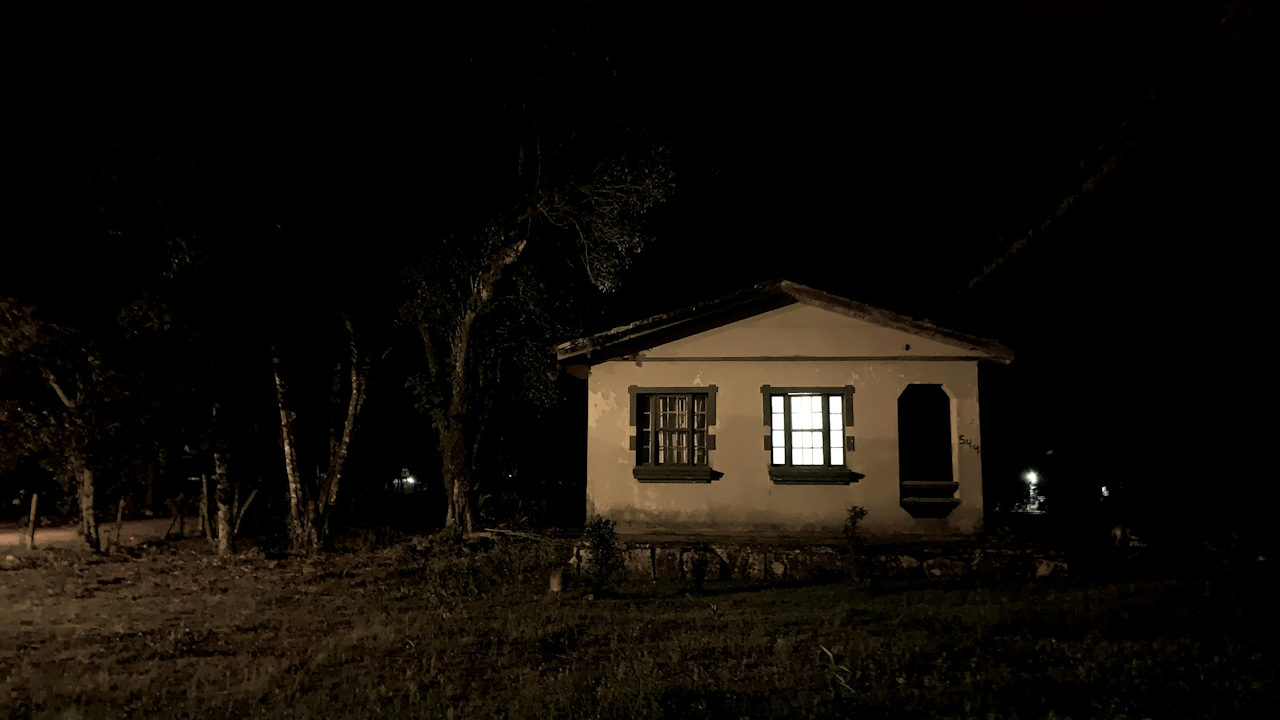
Horror has long been the underdog genre that punches far above its weight. While blockbuster action films and lavish dramas demand enormous budgets for spectacle, indie horror creators consistently deliver chills, thrills, and profits using minimal resources. In an era of streaming dominance, festival circuits, and digital distribution, small-budget scares are not just surviving but thriving. This success stems from creative ingenuity, dedicated audiences, low production barriers, and the genre’s unique ability to turn limitations into strengths.
The appeal lies in horror’s focus on psychological tension, atmosphere, and suggestion rather than expensive visual effects or star power. A creaking floorboard, a shadow in the corner, or an unseen presence can terrify audiences more effectively than computer-generated monsters costing millions. This principle has fueled a renaissance in both films and games, where solo developers and small teams produce standout experiences that rival or surpass big-studio offerings.
A Brief History of Budget-Conscious Horror
Horror has always embraced frugality. Classics like Night of the Living Dead (1968), made for around 114,000 dollars, and The Texas Chain Saw Massacre (1974), shot for under 140,000 dollars, became cultural touchstones despite their shoestring budgets. These films proved that raw intensity and innovative storytelling could captivate global audiences.
The found-footage boom in the late 1990s and 2000s amplified this trend. The Blair Witch Project (1999) cost approximately 60,000 dollars and grossed over 248 million dollars worldwide, demonstrating massive return on investment through clever marketing and audience immersion. Similarly, Paranormal Activity (2007), produced for just 15,000 dollars, earned nearly 193 million dollars, spawning a franchise and inspiring countless imitators.
These successes established a template: minimal casts, single locations, practical effects, and heavy reliance on sound design and implication. Modern indie horror builds on this foundation while adapting to new technologies and platforms.
Why Small Budgets Excel in Horror
Several structural advantages make horror ideal for independent creators.
Fear Is Inexpensive. The core element of horror, genuine fear, requires no costly sets or effects. Filmmakers and developers use darkness, silence, and anticipation to build dread. Practical effects, such as makeup and props, often outperform CGI in evoking realism and can be achieved on tight budgets. Audiences frequently prefer the tactile horror of practical work, as seen in films emphasizing suggestion over revelation.
Confined Spaces and Limited Casts. Many successful indie horrors unfold in one house, apartment, or isolated area. This reduces logistical costs and heightens claustrophobia. Small ensembles keep actor fees and scheduling manageable. Examples include single-location triumphs that maximize tension through intimate character interactions.
Sound Design as a Star. High-quality microphones and creative audio work create monsters that lurk just out of sight. A distant whisper or unnatural silence can unsettle viewers more than lavish visuals. Indie teams often prioritize audio because it delivers outsized impact at low cost.
Authenticity Through Imperfection. Shaky cameras, grainy footage, or lo-fi aesthetics enhance realism in horror. What might look amateurish in other genres adds found-footage credibility or dreamlike unease here. This turns technical constraints into artistic choices.
Loyal and Vocal Fanbase. Horror enthusiasts actively seek new voices, attend festivals, support crowdfunding, and spread recommendations on social media. This organic marketing lowers promotion expenses and builds cult followings that sustain long-term revenue through streaming, physical media, and merchandise.
High ROI Potential. Data shows horror often yields the strongest returns among genres. A film budgeted under 5 million dollars needs only modest performance to profit, especially with international sales and streaming deals. Horror translates well across cultures since screams and tension require little adaptation.
Standout Examples in Film
Recent and historical cases illustrate the pattern. Host (2020), made for under 100,000 dollars during lockdowns using Zoom, became a breakout hit on Shudder. Get Out (2017) cost 4.5 million dollars and grossed over 255 million dollars while earning critical acclaim and awards.
Undertone, a recent indie effort budgeted at 500,000 dollars, sparked bidding wars and achieved significant box office returns, highlighting ongoing demand. Franchises like Terrifier demonstrate how practical gore and relentless marketing can build empires from modest starts.
Micro-budget miracles continue to emerge. Films shot in single locations with unknown casts regularly secure distribution deals because distributors recognize horror’s reliability.
The Boom in Indie Horror Games
The video game side mirrors this success and often exceeds it in accessibility. Platforms like itch.io and Steam host thousands of horror titles from solo developers or tiny teams. Horror games exploded in popularity because they reward creativity over polish, feature short playtimes ideal for streaming reactions, and thrive on viral clips.
Titles like Mouthwashing, Signalis, and Inscryption achieved critical and commercial acclaim with PS1-inspired aesthetics, psychological depth, and innovative mechanics. Survival horror indies such as Crow Country and others blend retro styles with modern tension, earning overwhelmingly positive reviews and strong sales.
Streamers amplify visibility. Jump-scare reactions and atmospheric playthroughs go viral, driving wishlists and purchases. Many games launch as free or low-cost experiments on itch.io before expanding to Steam. The lower technical barriers, such as using Unity or free assets creatively, allow rapid iteration and experimentation with concepts like analog horror or body horror that big studios avoid.
In 2024 and 2025, indie horror dominated discussions, with releases outperforming expectations and filling gaps left by AAA titles focused on action. Psychological and atmospheric experiences particularly shine, proving that scares stem from atmosphere and narrative rather than high-fidelity graphics.
Challenges and Sustainability
Success is not guaranteed. Horror remains hit-driven, with marketing and timing playing crucial roles. Oversaturation on digital platforms means standing out requires strong concepts and community engagement. Distribution can be competitive, and not every title finds an audience despite quality.
Creators must navigate burnout from passion projects and balance artistic vision with commercial viability. Yet the ecosystem supports newcomers through festivals, crowdfunding, and direct-to-audience sales.
The Future of Indie Horror
Streaming services continue hungry for content, festivals provide launchpads, and emerging technologies like virtual reality offer new scare frontiers without massive investments. Analog horror, retro aesthetics, and socially conscious themes expand the genre’s boundaries while keeping costs low.
As audiences tire of formulaic blockbusters, the authenticity and boldness of indie horror attract viewers seeking fresh experiences. Small teams can iterate quickly, respond to cultural moments, and deliver personalized terror that resonates deeply.
Conclusion
Indie horror thrives because it democratizes fear. It proves that imagination, sound, suggestion, and heart can outperform spectacle. Whether through a micro-budget film that haunts theaters or a bedroom-developed game that goes viral, small-scale creators keep the genre vital and profitable.
For aspiring filmmakers and developers, the message is clear: limitations foster creativity. Focus on what scares you personally, use available tools inventively, and trust the audience to fill the darkness with their own nightmares. In horror, the smallest budgets often yield the biggest screams and the strongest returns. The next breakout hit could come from a garage, a laptop, or a single dimly lit room, reminding us why this genre endures and evolves.