

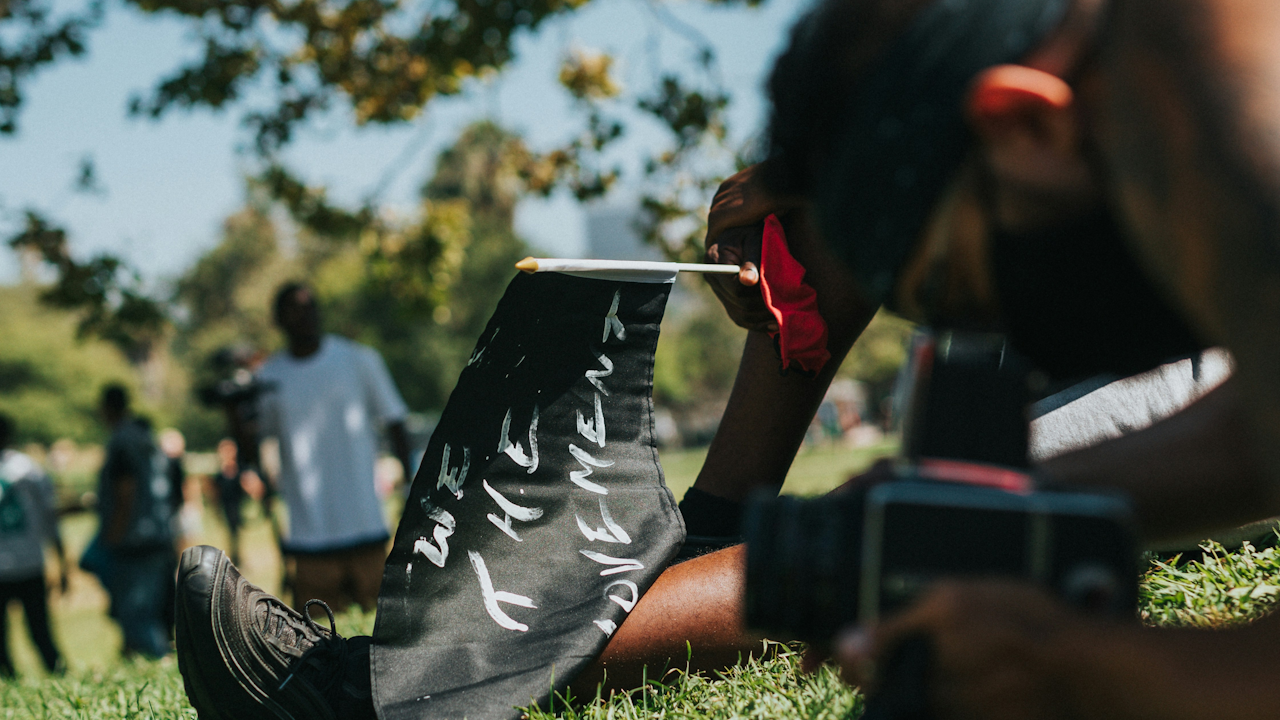
Grassroots movements represent the collective power of ordinary people organizing from the bottom up to challenge established systems, advocate for change, and influence political outcomes. Traditionally, these efforts relied on face-to-face meetings, printed flyers, community rallies, and word-of-mouth networks. In the digital age, social media platforms have transformed this landscape, providing unprecedented tools for mobilization, amplification, and coordination. What was once limited by geography and resources now spreads globally in real time. Social media has democratized political participation, allowing individuals without institutional backing to shape public discourse and drive tangible results.
This article explores the mechanisms behind social media’s influence on grassroots activism, examines landmark case studies, analyzes both benefits and drawbacks, and considers the evolving dynamics in contemporary politics.
The Mechanisms of Digital Empowerment
Social media lowers barriers to entry for political engagement. Anyone with a smartphone and internet access can share information, rally supporters, and document events. Key platforms such as Twitter (now X), Facebook, Instagram, TikTok, and YouTube enable rapid dissemination through hashtags, live streams, and viral content.
Several core mechanisms explain this power. First, information sharing and awareness: Traditional media often filters or ignores local issues. Social media bypasses gatekeepers, allowing activists to post videos, photos, and eyewitness accounts directly. Second, mobilization and organization: Events can be coordinated instantly via group chats, event pages, and algorithmic recommendations that connect like-minded users. Third, community building and solidarity: Online spaces foster a sense of belonging, turning isolated individuals into networked communities. Fourth, fundraising and resource allocation: Crowdfunding tools integrated with social platforms enable quick financial support. Finally, global reach and pressure: Local movements gain international visibility, pressuring governments through diplomatic channels or public opinion.
Algorithms play a dual role. They amplify emotionally charged content, helping causes gain traction, but they also create echo chambers that reinforce existing views.
Historical Evolution and Early Milestones
While social media’s political impact feels recent, roots trace back to the early 2000s. The 2009 Iranian Green Movement used Twitter to protest election fraud, earning the label “Twitter Revolution.” Yet the Arab Spring of 2010-2012 marked a watershed moment.
In Tunisia, protests erupted after the self-immolation of Mohamed Bouazizi. Activists employed Facebook and Twitter to organize demonstrations, share footage of police brutality, and coordinate across cities. The movement spread to Egypt, Libya, Yemen, and beyond. In Egypt, the “We Are All Khaled Said” Facebook page galvanized opposition to President Hosni Mubarak. Millions mobilized, leading to Mubarak’s ouster in 2011. Social media facilitated real-time updates, citizen journalism, and cross-border inspiration.
Scholars note that social media did not single-handedly cause these uprisings; underlying grievances like unemployment, corruption, and authoritarianism were primary drivers. However, digital tools accelerated mobilization and amplified voices that state-controlled media suppressed.
Landmark Case Studies in the Social Media Era
Black Lives Matter (BLM): Founded in 2013 after the acquittal of George Zimmerman in the Trayvon Martin case, BLM leveraged platforms to highlight systemic racism and police violence. Hashtags like #BlackLivesMatter turned individual incidents into national conversations. The 2020 protests following George Floyd’s death saw massive online engagement that translated into street actions worldwide. Social media enabled live streaming of protests, fundraising, and pressure on corporations and politicians. It also faced criticism for decentralized structure, but its impact on policy debates, corporate diversity initiatives, and electoral turnout remains significant.
#MeToo: Started in 2017 by activist Tarana Burke and amplified by actress Alyssa Milano, the hashtag encouraged survivors of sexual harassment and assault to share stories. Millions participated globally, leading to high-profile resignations, legal reforms, and cultural shifts in workplaces. Social media provided a platform for marginalized voices, creating solidarity across borders and industries.
Climate Activism and Fridays for Future: Greta Thunberg’s school strikes inspired a global movement. Young activists use Instagram, TikTok, and Twitter to share striking visuals, coordinate global strikes, and pressure world leaders. Hashtags and viral challenges sustain momentum between physical events.
Other Examples: The Standing Rock protests against the Dakota Access Pipeline used live streams to build international support. In Nigeria, #BringBackOurGirls drew global attention to the abduction of schoolgirls. In India and elsewhere, digital campaigns have influenced elections and policy.
These cases illustrate how social media converts local grievances into transnational movements.
Positive Impacts on Political Power
Grassroots movements gain several advantages through social media. They achieve rapid scaling without traditional infrastructure. Marginalized groups, including youth, women, and minorities, find voices previously excluded from mainstream channels. Transparency increases as activists document events in real time, reducing reliance on official narratives. Accountability rises when public pressure forces responses from leaders. Innovation flourishes through user-generated content, memes, and creative campaigns that capture attention.
Data from various studies show correlations between online activity and offline participation. Higher social media engagement often precedes increased protest turnout. In democratic contexts, this strengthens civic participation and holds power accountable.
Challenges and Criticisms
Despite successes, significant drawbacks exist. Misinformation and disinformation spread rapidly. False narratives can undermine legitimate movements or incite division. Coordinated bot campaigns and foreign interference complicate the information environment.
Echo chambers and polarization: Algorithms prioritize engaging content, often extreme views, deepening societal divides and reducing cross-ideological dialogue.
Slacktivism versus sustained action: Clicking “like” or sharing a post may create an illusion of impact without leading to deeper involvement. Critics argue this dilutes real organizing efforts.
Surveillance and repression: Authoritarian regimes monitor digital activity, leading to arrests or crackdowns. Platforms sometimes comply with government requests, limiting utility in repressive contexts.
Platform dependency and control: Changes in algorithms, content moderation policies, or terms of service can abruptly reduce visibility. Corporate interests may not align with activist goals. Burnout affects organizers facing online harassment and constant demands.
Inequalities: Access to technology, digital literacy, and time remain uneven, potentially excluding the most vulnerable.
Contemporary Dynamics and Adaptations
In recent years, movements have adapted. TikTok and short-form video excel at reaching younger audiences. Encrypted messaging apps like WhatsApp and Signal support secure coordination. Hybrid strategies combine online amplification with offline action, legal challenges, and electoral engagement.
During elections, grassroots digital campaigns influence voter turnout and candidate selection. In some contexts, opposition parties or independents leverage social media to compete against well-funded incumbents.
As of 2025-2026, trends point toward greater emphasis on authenticity, community-driven spaces, and emerging technologies like decentralized networks that reduce reliance on big tech.
Looking Ahead: The Future of Digital Grassroots Power
Social media’s role will likely expand with technological advances. Artificial intelligence could enhance targeting and content creation but also amplify manipulation risks. Decentralized platforms may offer more autonomy. Regulatory efforts around transparency, data privacy, and content moderation will shape the environment.
Successful movements will balance digital tools with traditional organizing. Building lasting institutions, training leaders, and translating online energy into policy wins remain crucial. Education on media literacy will help participants navigate the digital landscape critically.
Grassroots movements thrive when they combine emotional resonance with strategic action. Social media provides the megaphone, but human commitment drives change.
Conclusion
Social media has fundamentally altered the power dynamics of grassroots politics. It empowers ordinary citizens to challenge elites, document injustices, and build coalitions at scale. From the Arab Spring to global movements addressing race, gender, and climate, digital tools have proven transformative.
Yet this power is neither unqualified nor neutral. Platforms amplify both progress and problems. The most effective activists treat social media as one tool among many, not a panacea. They combine viral moments with sustained, grounded efforts.
As technology evolves, so too will strategies for civic engagement. The core principle endures: collective action by informed, connected citizens remains the foundation of meaningful political change. In the age of social media, grassroots movements demonstrate that voices from below can, and do, reshape the world above. The question is not whether digital tools matter, but how thoughtfully and persistently societies wield them.