

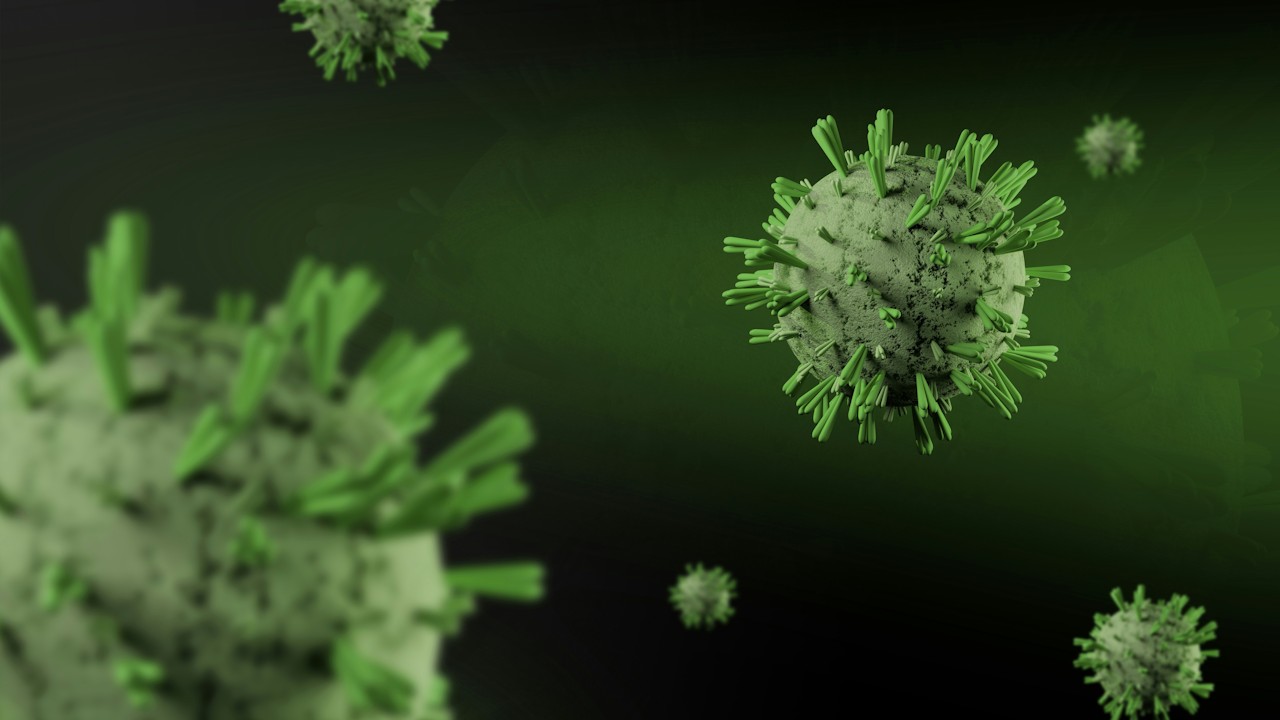
Viruses are among the most fascinating and enigmatic entities in the biological world. They straddle the boundary between living and non-living things, lacking the cellular machinery to reproduce on their own yet capable of causing devastating diseases in almost every form of life. Unlike bacteria, which are single-celled organisms that can grow and divide independently, viruses are obligate intracellular parasites. They must hijack the machinery of a host cell to replicate. Understanding how viruses work reveals much about cell biology, immunology, and the evolutionary arms race between pathogens and their hosts.
What Defines a Virus?
A virus is essentially a packet of genetic material enclosed in a protective shell. It consists of nucleic acid, either DNA or RNA, surrounded by a protein coat called a capsid. Some viruses also have an outer lipid envelope derived from the host cell membrane. Viruses are extremely small, typically ranging from 20 to 300 nanometers in diameter, far smaller than most bacteria. This tiny size allows them to pass through filters that trap bacterial cells, which is how they were originally discovered.
Viruses do not have metabolism of their own. They carry no ribosomes, no mitochondria, and no enzymes for energy production. Their sole “purpose” in a biological sense is to deliver their genetic material into a susceptible host cell and use that cell’s resources to produce more virus particles. Outside a host, a virus is inert, like a seed or a spore, waiting for the right conditions to activate.
The Structure of Viruses
The simplest viruses have just a genome and a capsid. The capsid is made of multiple copies of one or more proteins arranged in highly symmetric patterns, often icosahedral (20-sided) or helical. This symmetry allows efficient assembly from repeating subunits. For example, the tobacco mosaic virus has a helical capsid that looks like a long tube under an electron microscope.
Many viruses add complexity with an envelope. This lipid bilayer comes from the host cell when the virus buds out. Embedded in the envelope are viral glycoproteins that help the virus attach to and enter new cells. Influenza viruses and HIV are enveloped, while poliovirus and adenovirus are non-enveloped.
The genome itself varies widely. Some viruses have single-stranded DNA, double-stranded DNA, single-stranded RNA, or double-stranded RNA. RNA viruses are particularly prone to mutations because RNA replication lacks the proofreading mechanisms common in DNA replication. This high mutation rate contributes to rapid evolution, as seen in influenza and SARS-CoV-2.
Attachment and Entry into Host Cells
The viral life cycle begins with attachment. Specific proteins on the virus surface bind to receptor molecules on the surface of the host cell. This interaction is highly specific, which is why some viruses infect only certain species or cell types. For instance, HIV targets CD4 receptors on T-helper cells, while rhinoviruses (common cold) bind to ICAM-1 on respiratory epithelial cells.
After attachment, the virus must cross the cell membrane. Enveloped viruses often fuse their membrane directly with the host membrane, releasing the capsid inside. Non-enveloped viruses may use endocytosis, where the cell engulfs the virus in a vesicle, or they may create pores in the membrane.
Once inside, the virus uncoats, shedding its protein shell to expose the genetic material. This step is tightly regulated. Premature uncoating would waste the genome, while failure to uncoat prevents replication.
The Replication Cycle
The replication cycle can be divided into several stages, though the details differ between DNA and RNA viruses and between lytic and lysogenic cycles.
In the lytic cycle, which is common for many viruses, the virus immediately commandeers the cell. The viral genome is transcribed and translated using the host’s enzymes and ribosomes. Early viral genes often produce proteins that shut down host defenses or replicate the viral genome. Later genes produce structural proteins for new capsids.
For DNA viruses like herpesviruses or adenoviruses, the genome is usually replicated in the nucleus using host DNA polymerases or viral ones. RNA viruses replicate in the cytoplasm. Positive-sense RNA viruses (such as poliovirus) can use their genome directly as messenger RNA. Negative-sense RNA viruses (such as rabies or influenza) must first transcribe their genome into positive-sense RNA using a viral RNA-dependent RNA polymerase that they carry into the cell.
New viral genomes are packaged into capsids. In some cases, this assembly happens in specialized compartments within the cell. For enveloped viruses, the assembled nucleocapsids acquire their envelope by budding through cellular membranes that already contain viral glycoproteins.
Finally, new virus particles are released. Non-enveloped viruses often lyse (burst) the host cell, killing it. Enveloped viruses bud out more gently, sometimes without immediately killing the cell. A single infected cell can produce thousands of new virions, each capable of infecting other cells.
Some viruses, particularly bacteriophages (viruses that infect bacteria) and certain animal viruses like herpesviruses, can enter a lysogenic or latent cycle. The viral genome integrates into the host DNA as a prophage or provirus and replicates passively with the host cell. Under stress or certain signals, the virus can switch to the lytic cycle. HIV can remain latent in long-lived immune cells, complicating efforts to cure the infection.
Host Defenses and Viral Countermeasures
Hosts are not passive victims. Cells have innate defenses such as restriction enzymes in bacteria that cut foreign DNA, or RNA interference pathways that degrade viral RNA. In animals, the interferon system alerts neighboring cells to prepare antiviral states. Pattern recognition receptors detect viral components and trigger inflammation and immune responses.
Adaptive immunity produces antibodies that neutralize viruses before they infect cells and cytotoxic T cells that kill infected cells. Viruses evolve countermeasures. Some block interferon signaling, others mutate surface proteins to evade antibodies, and a few even mimic host proteins to avoid detection.
This constant evolutionary pressure drives viral diversity. RNA viruses mutate quickly, allowing them to escape immunity and adapt to new hosts. DNA viruses tend to have larger genomes and more stable replication, sometimes acquiring genes from hosts through horizontal gene transfer.
Types of Viruses and Their Strategies
Viruses are classified by genome type, capsid symmetry, presence of envelope, and replication strategy. Major groups include:
- Bacteriophages: Extremely abundant in oceans and soil. They play crucial roles in bacterial ecology and gene transfer.
- Plant viruses: Often spread by insects or mechanical damage. They can devastate crops but rarely kill the plant outright.
- Animal viruses: Cause diseases ranging from mild (common cold) to severe (Ebola, rabies).
- Retroviruses: Like HIV, these RNA viruses reverse-transcribe their genome into DNA and integrate it into the host genome.
Giant viruses, discovered more recently, challenge traditional views. Mimiviruses and pandoraviruses are larger than some bacteria and carry many genes for translation and other functions, blurring the line between viruses and cellular life.
Real-World Examples
Consider the influenza virus. It attaches via hemagglutinin to sialic acid residues on respiratory cells. After entry and replication, new viruses are released with the help of neuraminidase, which cleaves sialic acid to prevent clumping. Antigenic drift (small mutations) and shift (reassortment of genome segments in co-infected cells) allow flu to cause seasonal epidemics and occasional pandemics.
SARS-CoV-2, a coronavirus, uses its spike protein to bind ACE2 receptors. Its RNA genome is replicated by a viral polymerase with some proofreading ability, leading to a moderate mutation rate. The virus can cause systemic effects beyond the lungs partly because ACE2 is expressed in many tissues.
HIV targets immune cells, gradually depleting them and leading to AIDS if untreated. Its reverse transcriptase is error-prone, generating immense diversity within a single patient, which complicates vaccine development.
Prevention, Treatment, and Control
Vaccines work by training the immune system to recognize viral antigens without causing disease. They can use inactivated viruses, live attenuated strains, subunit proteins, or mRNA that instructs cells to produce viral proteins.
Antiviral drugs target specific steps in the viral cycle. Nucleoside analogs interfere with genome replication. Protease inhibitors block maturation of viral proteins. Entry inhibitors prevent attachment or fusion. Because viruses rely heavily on host machinery, finding drugs that selectively target viral processes without harming the host is challenging.
Public health measures such as sanitation, vector control, quarantine, and surveillance remain vital for controlling viral diseases. Emerging threats like zoonotic spillovers underscore the need for monitoring animal reservoirs.
The Broader Impact of Viruses
Beyond disease, viruses influence ecosystems profoundly. They regulate bacterial populations in oceans, driving nutrient cycling. They transfer genes between organisms, contributing to evolution. Some endogenous retroviruses have been co-opted by hosts for functions like placental development in mammals.
In biotechnology, viruses serve as vectors for gene therapy. Modified adenoviruses or lentiviruses deliver therapeutic genes. Bacteriophages are explored as alternatives to antibiotics amid rising resistance.
Conclusion
Viruses are master manipulators of cellular life. Their simplicity belies sophisticated strategies for survival and propagation. By studying how viruses attach, enter, replicate, assemble, and exit cells, scientists gain insights not only into pathogenesis but into fundamental cellular processes. As new viruses emerge and old ones evolve, continued research into their mechanisms remains essential for medicine, ecology, and biotechnology. Understanding viruses is understanding a key force shaping life on Earth.