

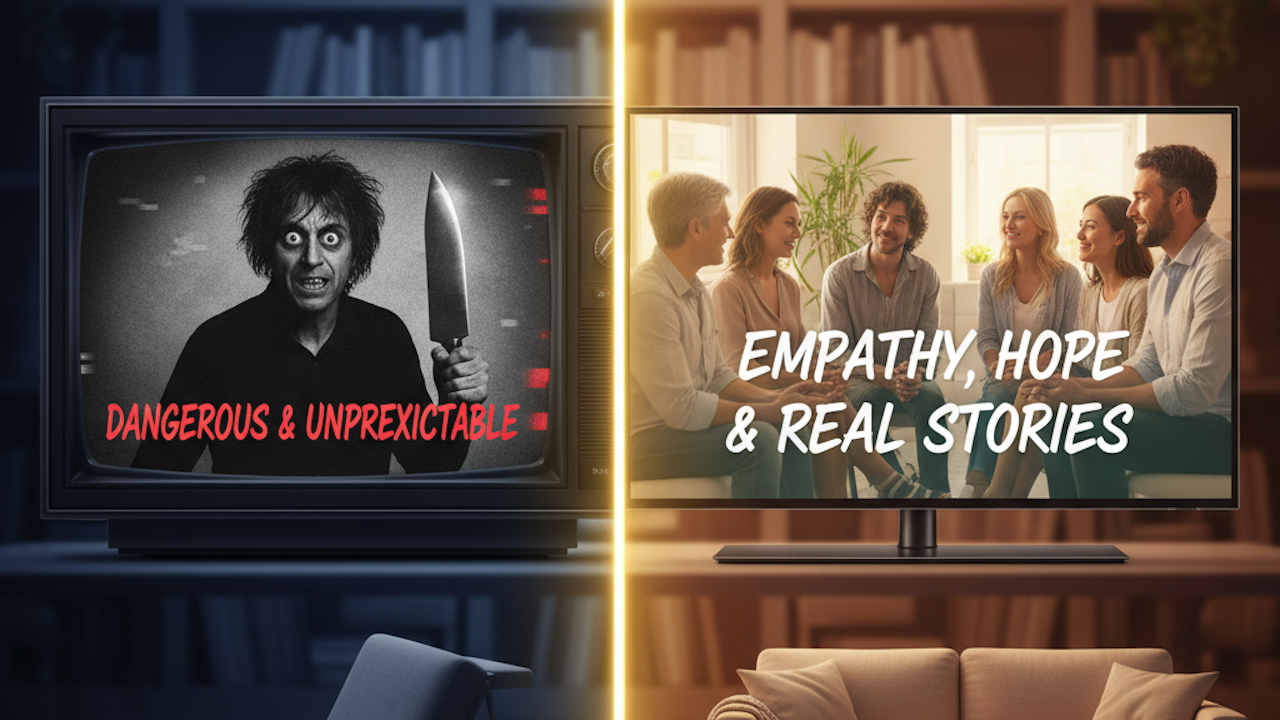
Television has long served as a mirror to society, reflecting and shaping our understanding of the world around us. Among its many subjects, mental health stands out as one of the most influential yet often problematic. With millions tuning in daily, TV shows can either challenge misconceptions and foster empathy or reinforce harmful stereotypes that deepen stigma. This article explores the dual nature of mental health representation on television, examining both its shortcomings and its potential for positive change.
Mental health conditions affect a significant portion of the population, yet public understanding remains limited. According to various studies, entertainment media plays a substantial role in forming perceptions. When portrayals are inaccurate or sensationalized, they contribute to widespread misunderstandings. Conversely, thoughtful depictions can normalize conversations, encourage help-seeking, and humanize those living with these conditions.
The Persistence of Negative Stereotypes
For decades, television has leaned heavily on dramatic tropes when depicting mental illness. Common stereotypes include the “dangerous maniac,” the unpredictable individual prone to violence, or the comic relief character whose quirks provide laughs but trivialize real struggles. These portrayals emphasize danger, criminality, and unpredictability, despite evidence showing that people with mental health conditions are far more likely to be victims of violence than perpetrators.
One recurring issue is the association of mental illness with violence. Analyses of television content reveal that characters with mental health conditions are disproportionately shown committing crimes or engaging in aggressive behavior. This distortion influences viewers, leading many to overestimate the prevalence and severity of mental illness while linking it to threats in everyday life. Research indicates that heavy television viewers tend to hold more negative views, perceiving higher rates of dangerousness among those with mental health challenges.
A notable example of controversial portrayal is the Netflix series 13 Reasons Why. The show centers on a teenager’s suicide and the events leading up to it, presented through cassette tapes that assign blame to others. Critics argued that its graphic depiction of suicide and depression sensationalized the topic, potentially glamorizing it or providing harmful details to vulnerable audiences, particularly teens. Mental health advocates highlighted how such narratives could increase risk for imitation without sufficient context or resources for support.
Medical dramas like Grey’s Anatomy have also faced scrutiny. While they address mental health in storylines involving doctors and patients, portrayals often prioritize plot drama over accuracy. Characters might experience breakdowns or conditions in ways that feel rushed or unresolved, leaving viewers with incomplete pictures of recovery processes.
Other stereotypes persist across genres. Characters with conditions like schizophrenia or dissociative identity disorder frequently appear as eccentric, unstable, or villainous, exaggerating symptoms for shock value. Comedic shows sometimes use mental health for punchlines, portraying individuals as irrational or simple-minded, which belittles the daily realities of living with these conditions. Treatments are misrepresented too: therapy sessions resolve issues unrealistically quickly, or institutions appear as frightening places run by incompetent or malevolent professionals. Electroconvulsive therapy, for instance, is often shown without consent or anesthesia for dramatic effect, far from modern practices.
These depictions have tangible consequences. They impair self-esteem among those affected, discourage medication adherence, and reduce willingness to seek help. Families and communities may respond with fear or rejection, perpetuating cycles of isolation. Studies link negative media images to broader societal stigma, affecting employment, housing, and interpersonal relationships.
Shifting Toward More Nuanced and Positive Representations
Despite these challenges, television has shown signs of progress. Recent years have brought more authentic, empathetic portrayals that highlight the complexity of mental health without reducing characters to their diagnoses. These stories emphasize recovery, support systems, and the non-linear nature of healing, offering hope and relatability.
BoJack Horseman, an animated series, stands out for its unflinching yet compassionate exploration of depression, addiction, and self-destructive patterns. The titular character, a washed-up actor, navigates trauma, guilt, and the search for meaning. The show avoids easy resolutions, illustrating how healing involves setbacks, therapy, and connections with others. It has been praised for making abstract struggles visible and fostering understanding among viewers.
Crazy Ex-Girlfriend tackles borderline personality disorder with humor and honesty. The protagonist Rebecca Bunch’s journey includes diagnosis, treatment, and the challenges of managing symptoms while pursuing relationships and career goals. By blending musical numbers with raw emotional honesty, the series normalizes therapy and shows mental illness as one part of a multifaceted life.
This Is Us addresses intergenerational trauma, anxiety, and depression within a family context. Characters seek therapy, experience panic attacks, and work through grief in ways that feel grounded. The show’s emphasis on vulnerability and support networks resonates with audiences, demonstrating that mental health struggles do not define a person.
Other examples include Jessica Jones, which portrays PTSD stemming from trauma in a superhero context without diminishing its impact. The character grapples with triggers, unhealthy coping mechanisms, and the power of community support. Shows like Sex Education handle teen mental health with sensitivity, covering anxiety, depression, and the importance of open dialogue.
Animated and unconventional formats have also contributed positively. Big Mouth uses humor to explore puberty-related emotional turmoil, while Undone delves into schizophrenia and perception with creative visuals. These approaches make complex topics accessible without exploitation.
Research from the USC Norman Lear Center indicates a broader shift. A study found a 39 percent increase in mental health keyword mentions in TV content alongside a 15 percent decrease in derogatory language. When storylines follow best practices, informed by experts and lived experiences, viewers report greater knowledge, reduced stigma, and increased willingness to seek help. Parasocial relationships with well-developed characters further enhance these effects.
The Real-World Impact on Audiences
The power of television lies in its ability to reach diverse audiences repeatedly. Cultivation theory suggests that prolonged exposure to certain narratives shapes worldview. Negative portrayals can heighten anxiety, reinforce isolation, and deter professional help. Positive ones, however, model healthy behaviors like talking to friends, attending therapy, or practicing self-compassion.
For young viewers, the stakes are particularly high. Adolescents often turn to TV for guidance during formative years. Inaccurate depictions of suicide or self-harm risk normalization or contagion effects, as seen in debates around certain shows. On the positive side, relatable characters can reduce feelings of aloneness and encourage conversations with trusted adults.
Diversity in representation matters too. Many portrayals historically centered on White characters, with limited inclusion of racial, ethnic, or LGBTQ+ perspectives. Broader representation helps address how mental health intersects with identity, culture, and systemic barriers.
Challenges and Opportunities Ahead
While progress is evident, gaps remain. Severe conditions like schizophrenia still often receive sensational treatment. Medication is underrepresented, as it lacks visual drama compared to therapy sessions or breakdowns. Long-term management, including the role of support networks, deserves more screen time.
Content creators face pressure to balance entertainment with responsibility. Collaborations with mental health professionals and individuals with lived experience can improve accuracy. Guidelines from organizations emphasize avoiding graphic details of harm, providing resources, and showing recovery as possible though imperfect.
Viewers also play a role. Critical consumption, discussions with others, and supporting shows with thoughtful portrayals can drive industry change. Streaming platforms have expanded opportunities for niche stories that might not fit traditional broadcast models.
Conclusion
Television’s portrayal of mental health remains a work in progress. For too long, it favored drama and stereotypes that harmed understanding and perpetuated stigma. Yet emerging examples demonstrate its capacity to educate, empathize, and inspire. By prioritizing nuance, accuracy, and humanity, TV can contribute meaningfully to reducing barriers and fostering a more compassionate society.
As audiences demand better representation, the medium holds tremendous potential. Stories that reflect the full spectrum of experiences, from struggle to resilience, not only entertain but also affirm that mental health is a shared human concern worthy of open dialogue and support. In the end, thoughtful portrayals on screen can translate to real-world empathy and action, benefiting individuals and communities alike.