

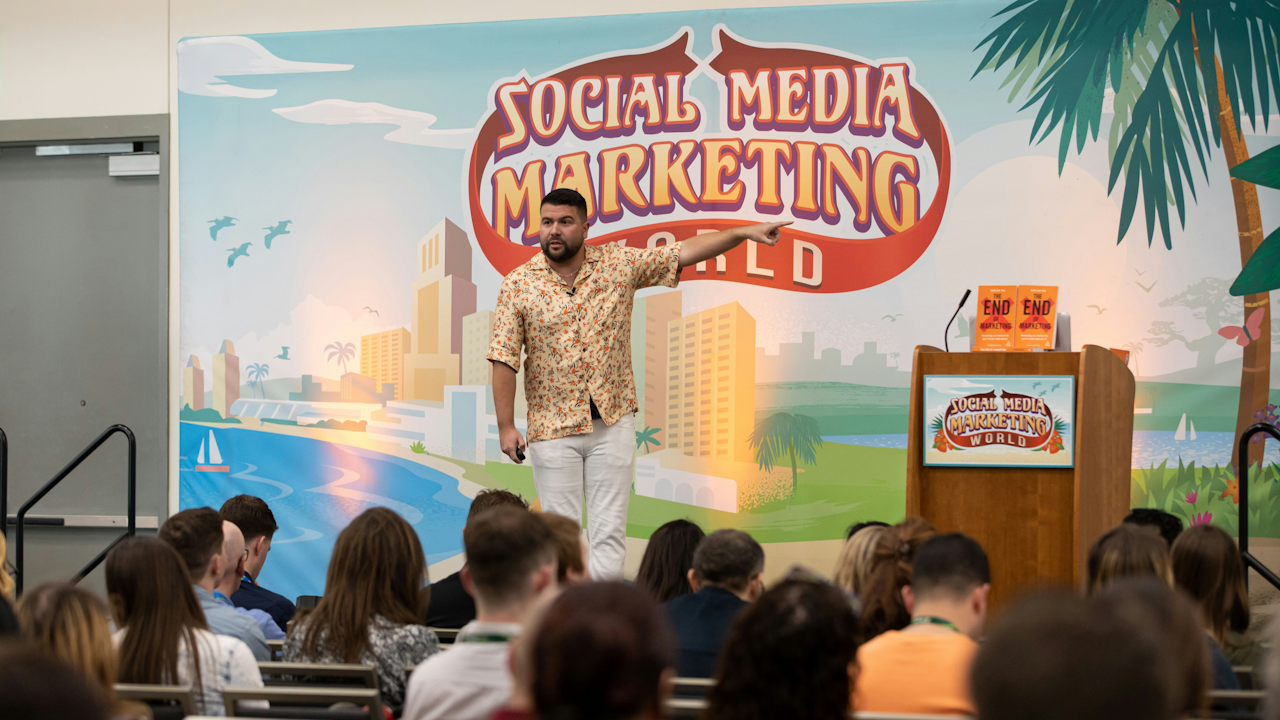
In an era dominated by algorithms, automation, and endless digital noise, many brands have drifted toward impersonal, data-driven tactics that treat customers as mere metrics on a dashboard. Click-through rates, conversion funnels, and targeted ads often take center stage. Yet the most successful companies understand a fundamental truth: people buy from people. Marketing that feels robotic or overly polished alienates audiences, while marketing infused with humanity builds lasting connections, trust, and loyalty. This article explores why shifting toward more human marketing is not just beneficial but essential for long-term success.
The Erosion of Trust in Traditional Marketing
Consumers today are bombarded with thousands of marketing messages daily. Many feel skeptical or outright exhausted by generic advertisements that promise perfection but deliver little substance. Studies and real-world observations show that people crave authenticity. When brands hide behind corporate speak or focus solely on features and benefits without acknowledging real human experiences, they fail to resonate.
Trust has become one of the scarcest resources in business. A customer-centric approach, which emphasizes understanding and addressing human needs, leads to measurable gains. Research indicates that companies prioritizing customer focus generate 60 percent higher profits compared to competitors. Without a human element, even the most sophisticated campaigns risk coming across as manipulative or insincere.
Human marketing counters this by prioritizing empathy, storytelling, and genuine interaction. It recognizes that purchasing decisions are rarely purely rational. Emotions play a massive role, and brands that connect on an emotional level see profound results. Emotionally connected customers demonstrate 306 percent higher lifetime value, remain loyal longer (averaging 5.1 years versus 3.4 years for others), and recommend brands at significantly higher rates.
Building Emotional Connections That Drive Loyalty
At its core, human marketing is about forging emotional bonds. People do not just buy products; they buy solutions to their problems, aspirations, and identities. A campaign that speaks directly to these human elements stands out in a crowded marketplace.
Consider the power of vulnerability and honesty. Brands willing to admit imperfections or address broader societal issues often earn deeper respect. Patagonia’s famous “Don’t Buy This Jacket” campaign during Black Friday exemplified this. Instead of pushing sales, the company encouraged mindful consumption and highlighted environmental concerns. Far from harming business, it resulted in a 30 percent sales increase the following year. Customers appreciated the brand’s honesty and commitment to values beyond profit.
Similarly, TOMS Shoes built its model around a simple yet powerful idea: for every pair purchased, another is donated to someone in need. This “One for One” approach tapped into people’s desire to make a positive impact without requiring extraordinary effort. It transformed a routine purchase into a meaningful act of contribution, fostering loyalty through shared purpose.
These examples illustrate that human marketing succeeds by aligning with universal human motivations such as the need for belonging, purpose, and significance.
Standing Out in the Age of AI and Automation
As artificial intelligence tools become more prevalent in content creation and personalization, the risk of marketing feeling generic or soulless grows. AI can optimize timing, segment audiences, and even draft copy, but it struggles to replicate genuine empathy and creativity rooted in lived experience.
This creates an opportunity. Brands that lean into humanity differentiate themselves precisely because technology makes impersonal content so easy to produce. Consumers can often detect when interactions lack a personal touch. In fact, many report feeling that brands do not truly understand them as individuals.
Human-centered strategies bridge this gap. They use data not as an end in itself but as a starting point to inform more empathetic messaging. For instance, instead of blasting identical emails to thousands, successful brands craft communications that reflect real pain points, aspirations, and feedback gathered from actual conversations.
Video marketing provides another avenue for human connection. Content featuring real people, authentic stories, and unscripted moments tends to perform better because it mirrors how humans naturally communicate and relate.
The Role of Storytelling in Human Marketing
Humans are wired for stories. From ancient myths to modern social media posts, narratives help us process information, remember details, and form bonds. Effective marketing harnesses this by moving beyond product specifications to share compelling tales.
Nike’s long-running “Just Do It” campaign masterfully blended individual stories of perseverance with brand values. Featuring athletes of all levels, including an 80-year-old marathon runner, it inspired millions to see themselves in the narrative of overcoming challenges. The campaign generated thousands of personal submissions from consumers, turning passive viewers into active participants.
Dove’s “Real Beauty” initiative challenged conventional beauty standards by showcasing everyday women rather than professional models. This approach sparked global conversations and positioned Dove as a brand that truly understood and respected its audience’s diversity and insecurities.
Storytelling works because it humanizes the brand. It reveals values, people behind the company, and real impacts on customers’ lives. In B2B contexts, case studies and founder journeys similarly build credibility by demonstrating empathy for clients’ challenges.
Fostering Authenticity and Transparency
Authenticity cannot be faked. Consumers have finely tuned radars for insincerity, especially in the social media age where every action is subject to scrutiny. Brands that embrace transparency, admit mistakes, and engage openly tend to cultivate stronger communities.
This means responding to comments thoughtfully, addressing negative feedback publicly when appropriate, and sharing behind-the-scenes glimpses. It also involves consistency between marketing promises and actual experiences. A disconnect quickly erodes trust.
Human marketing encourages vulnerability. Sharing challenges faced during product development or lessons learned from failures makes a brand relatable. People connect with imperfection because it mirrors their own lives.
Practical Ways to Infuse Humanity Into Your Marketing
Transitioning to more human marketing does not require overhauling everything overnight. Start with these approaches:
- Listen Actively: Use surveys, social listening, and direct conversations to understand customer needs deeply. Then reflect that understanding in your content.
- Use Conversational Language: Ditch jargon for warm, approachable tone. Write as if speaking to a friend.
- Feature Real People: Include customer stories, employee spotlights, and user-generated content. Posts with images of people often achieve higher engagement.
- Prioritize Purpose: Align marketing with meaningful causes that resonate with your audience, ensuring actions match words.
- Encourage Interaction: Create opportunities for dialogue rather than one-way broadcasting. Host webinars, Q&A sessions, or community events.
- Personalize Thoughtfully: Go beyond first names. Tailor recommendations and messages based on genuine insights into preferences and contexts.
- Show Empathy: Acknowledge difficulties customers face. Content that validates emotions performs better than purely promotional material.
Implementing these steps consistently builds a brand perceived as approachable and caring.
Measuring Success Beyond Traditional Metrics
While clicks and conversions remain important, human marketing calls for broader evaluation. Track metrics such as customer retention, Net Promoter Score, sentiment analysis, and lifetime value. Qualitative feedback through reviews and testimonials also reveals the depth of connection.
Brands that invest in human approaches often see organic growth through word-of-mouth and advocacy. Loyal customers become ambassadors, sharing positive experiences voluntarily.
Overcoming Common Challenges
Some businesses hesitate, fearing that human marketing appears less professional or harder to scale. In reality, it enhances professionalism by demonstrating respect for the audience. Scalability comes from establishing clear brand values and guidelines that inform all communications, even as teams grow.
Another concern involves balancing humanity with business objectives. The key lies in alignment. When marketing genuinely helps people solve problems or improve lives, commercial success follows naturally.
Data still plays a vital role, but it should serve human insights rather than replace them. Combine analytics with empathy to create campaigns that are both smart and soulful.
The Future Belongs to Human Brands
As technology advances, the demand for human connection intensifies. People seek relationships, not transactions. Brands that position themselves as helpful partners rather than distant sellers will thrive.
This shift benefits everyone. Customers receive more relevant, respectful experiences. Businesses build sustainable growth through trust and loyalty. Society gains from marketing that contributes positively rather than adding to noise.
In conclusion, making your marketing more human is not a trend but a return to fundamentals. It acknowledges that behind every data point is a person with hopes, fears, dreams, and challenges. By embracing authenticity, empathy, storytelling, and genuine engagement, brands create marketing that resonates deeply and endures. The companies that understand this will not only survive but lead in an increasingly disconnected world. Your audience is waiting for brands that feel real. Start speaking their language today.