

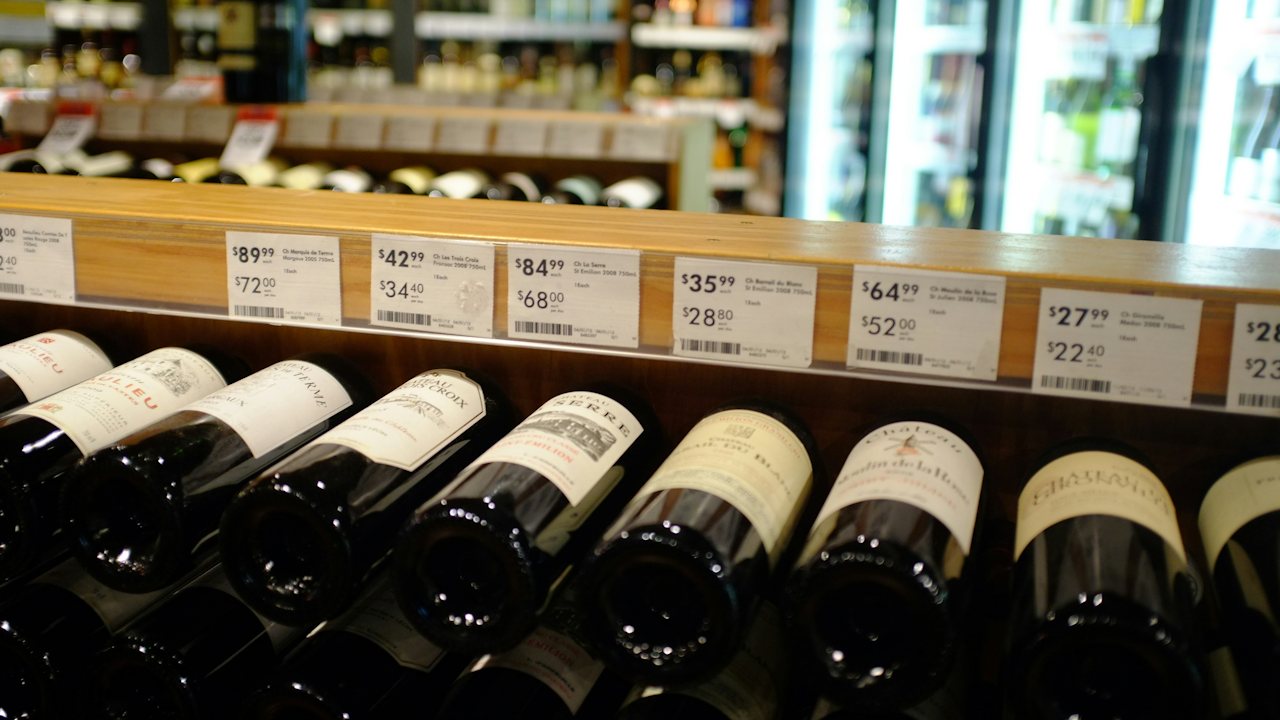
Starting a wine collection can seem like an expensive hobby reserved for the wealthy. Visions of rare Bordeaux bottles worth thousands of dollars or climate-controlled cellars in luxurious homes often deter beginners. The good news is that building a meaningful wine collection is entirely possible on a modest budget. With smart planning, education, and strategic choices, anyone can assemble a respectable collection that brings enjoyment, potential appreciation, and even financial upside without draining savings. This guide provides practical steps to get started affordably while avoiding common pitfalls.
Why Build a Wine Collection on a Budget?
A wine collection offers more than just bottles on a shelf. It represents a journey into flavors, history, and culture. Well-chosen wines can improve with age, creating personal milestones for future enjoyment or sharing with friends and family. Some wines also appreciate in value, turning your passion into a potential investment.
The key to affordability is shifting focus from prestige to value. You do not need trophy bottles from famous chateaus to start. Instead, prioritize quality wines that deliver pleasure today and have aging potential. Many everyday drinkers evolve into collectibles when stored properly. Budget collectors often find greater satisfaction through discovery rather than chasing famous names.
Set a Realistic Budget and Goals
Begin by determining how much you can comfortably spend. A good starting monthly budget might range from 100 to 300 dollars, depending on your finances. This allows purchasing several bottles without strain. Track expenses separately from regular grocery shopping to maintain discipline.
Define clear goals early. Are you collecting for personal enjoyment, gifting, or long-term investment? Beginners should focus on drinking and learning rather than speculation. Aim for diversity: a mix of reds, whites, sparkling, and fortified wines from various regions. Set milestones, such as acquiring 12 bottles in the first three months or reaching 50 bottles within a year.
Allocate funds wisely. Spend 60 to 70 percent on bottles, 20 percent on storage solutions, and the rest on education like books or tastings. Avoid impulse buys by sticking to a pre-approved list.
Learn the Fundamentals of Wine
Knowledge is your greatest cost-saving tool. Understanding wine basics prevents expensive mistakes. Start with free or low-cost resources.
Read introductory books such as “The Wine Bible” by Karen MacNeil or “Wine Folly” by Madeline Puckette. Online platforms like Wine Spectator, Decanter, or free blogs provide accessible information. Join local wine clubs or attend affordable tastings at shops or festivals. Many wine retailers host free or low-fee events.
Key concepts to master include grape varieties (Cabernet Sauvignon, Pinot Noir, Chardonnay, Riesling), regions (France, Italy, Spain, California, Australia), and aging potential. Learn to read labels for vintage, producer, and alcohol content. Understand that higher price does not always equal better quality, especially for new collectors.
Taste regularly but economically. Buy mixed cases or split bottles with friends. Take notes on what you enjoy and why. This builds palate memory and helps identify undervalued gems.
Choose Affordable Wines with Potential
Focus on wines priced between 10 and 50 dollars per bottle initially. These often offer excellent quality-to-price ratios and can age gracefully.
Target regions known for value:
- Spain: Rioja and Ribera del Duero reds from Tempranillo grapes deliver complexity at modest prices. Look for Crianza or Reserva levels.
- Italy: Chianti, Valpolicella, or southern Italian wines like Nero d’Avola provide character without premium markups.
- France: Lesser-known appellations in Bordeaux (such as satellite regions), Loire Valley whites, or Beaujolais offer alternatives to famous Grand Crus.
- New World: Chilean Cabernet, Argentine Malbec, or Australian Shiraz frequently outperform their price points.
- Domestic options: California or Oregon Pinot Noir and Washington Syrah can be excellent values.
Seek “overlooked” vintages or producers. Wines from good but not hyped years often cost less yet age similarly. Consider lesser-known grapes like Gamay, Chenin Blanc, or Gruner Veltliner for uniqueness.
Avoid buying purely on scores or hype. While critic ratings help, personal taste matters most. Many 90+ point wines exist in the 20-dollar range.
Smart Sourcing Strategies
Finding good deals requires diligence but saves significantly.
- Local wine shops: Build relationships with staff for recommendations and notifications about sales or closeouts. Independent stores often have better selections and knowledge than big chains.
- Online retailers: Sites like Vivino, Wine.com, or specialist merchants run frequent discounts. Compare prices and watch for free shipping promotions. Apps like Vivino allow scanning bottles to check market values.
- Auctions and secondary markets: Platforms like WineBid or local auctions feature older vintages at fractions of retail. Start small to learn. Verify conditions carefully.
- Direct from wineries: Many offer club memberships with discounts or library releases. Visiting during off-season can yield deals, though travel adds cost.
- Supermarkets and discounters: Quality varies, but end-of-bin sales or private labels can surprise. Research producers first.
- Group buys or wine clubs: Split cases with friends or join subscription services that curate value-driven selections.
Always check return policies and storage during transit, especially for temperature-sensitive shipments.
Proper Storage on a Budget
Poor storage ruins more collections than anything else. Wine needs consistent temperature (ideally 55 degrees Fahrenheit), humidity (60-70 percent), darkness, and minimal vibration.
Expensive cellars are unnecessary at the start. Options include:
- A dedicated closet or basement corner with insulation and a simple thermometer/hygrometer.
- Affordable wine fridges or coolers starting around 100 to 300 dollars for 20-50 bottle capacity. Look for used models on marketplaces.
- Horizontal storage using sturdy racks made from wood or metal. Avoid kitchens or areas with temperature fluctuations.
For very small collections, a dark cabinet works temporarily. Invest in proper storage as the collection grows. Track inventory with a simple spreadsheet noting purchase date, price, tasting notes, and drinking window.
Building and Organizing Your Collection
Start with a core of 12 to 24 bottles representing different styles. Include everyday drinkers alongside a few with aging potential (5-10 years or more).
Themes keep collecting focused and affordable:
- Regional explorations (all Italian reds)
- Grape variety deep dives
- Vertical collections of the same producer across vintages
- Food-pairing focused selections
Diversify across price points and styles to mitigate risk. Balance current consumption bottles with those set aside for later.
Reassess every six months. Drink or trade bottles that no longer fit your goals. Selling appreciated wines through reputable channels can fund new acquisitions.
Common Mistakes to Avoid
Many new collectors overspend on famous names without understanding them. Stick to research-backed choices. Another pitfall is poor record-keeping, leading to forgotten bottles or overbuying.
Do not store wine in refrigerators long-term or expose it to light and heat. Avoid collecting solely for investment unless you have deep expertise. Most wines are bought to be enjoyed, not flipped.
Impulse buying at tastings can inflate costs. Set limits beforehand. Finally, do not neglect insurance for larger collections or proper documentation for potential value growth.
Growing Your Collection Sustainably
Once comfortable, scale gradually. Allocate a percentage of any raises or bonuses to wine. Participate in futures offerings for young wines at lower prices, though this requires research.
Expand knowledge through sommelier courses or online communities. Forums like Wine Berserkers or Reddit’s r/wine provide advice from enthusiasts.
Consider bartering or trading with fellow collectors. Hosting tasting parties shares costs and builds networks.
For potential investment, focus on blue-chip regions but in smaller formats or less famous producers. Track market trends through publications, but treat appreciation as a bonus rather than the primary goal.
Legal and Practical Considerations
Wine collection involves regulations. Check local laws regarding purchasing, shipping, and storage quantities. In some areas, direct shipments face restrictions.
Maintain receipts and condition notes for any valuable bottles. For international buys, understand duties and taxes.
Sustainability matters too. Many collectors prefer organic or biodynamic wines, which sometimes offer better value and align with ethical goals.
The Rewards of Patient Collecting
A thoughtfully built collection becomes a personal treasury. Over years, it reflects your evolving tastes and provides stories for every bottle. Friends and family appreciate shared bottles at celebrations. Some collectors even transition to producing or consulting.
Financially, disciplined buying minimizes waste. Many budget collectors report finding wines that later appreciate, offsetting costs.
Patience is essential. Great collections develop over time through consistent effort rather than large outlays. Enjoy the process of learning and tasting as much as the bottles themselves.
Starting small, educating continuously, sourcing cleverly, and storing properly allows anyone to create a wine collection that delights without financial stress. Begin with one thoughtful purchase today, and build from there. Your future self will thank you when opening a perfectly matured bottle years down the road.
The world of wine welcomes newcomers with open arms. Focus on curiosity over ostentation, and you will develop both a fine collection and a richer appreciation for one of humanity’s oldest pleasures.