

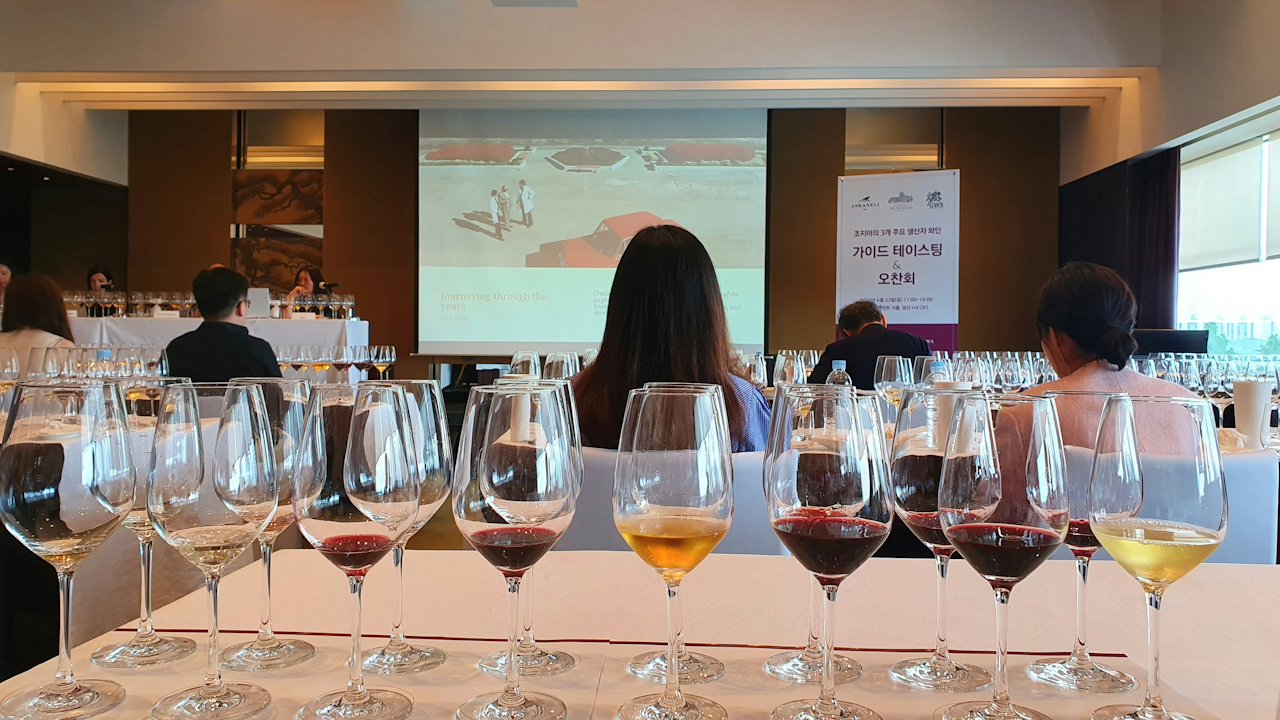
Wine tasting is both an art and a science. Professional sommeliers evaluate thousands of wines each year, developing a systematic approach that reveals a wine’s quality, character, origin, and potential. While anyone can drink wine, learning to taste like a sommelier transforms the experience from simple enjoyment into a deeper appreciation. This method sharpens your senses, improves your memory for flavors, and helps you make better purchasing decisions.
The good news is that you do not need years of formal training or expensive equipment to begin. With practice and attention to detail, you can adopt professional techniques at home or in a restaurant. This guide breaks down the complete process step by step.
Preparing for a Proper Wine Tasting
Start with the right conditions. Choose a quiet, well-lit space free from strong odors such as perfume, cooking smells, or scented candles. Natural daylight is ideal for observing color, but a white background (a sheet of paper or tablecloth) works well too.
Select appropriate glassware. A standard tasting glass, often called a Bordeaux or universal glass, has a tulip shape that concentrates aromas. Avoid overly large or decorative glasses. Use clear, spotlessly clean glasses rinsed with the same wine if possible to remove any detergent residue.
Serve wine at the correct temperature. White wines shine between 45 and 55 degrees Fahrenheit (7 to 13 degrees Celsius), while reds perform best between 60 and 68 degrees Fahrenheit (15 to 20 degrees Celsius). Over-chilled wines lose aroma; overly warm wines taste flat and alcoholic.
Pour a modest amount, about 2 ounces (60 milliliters), to allow room for swirling. Taste one wine at a time when learning, or compare two to four similar wines side by side once you gain confidence.
Step 1: Look at the Wine (Visual Analysis)
Hold the glass at a 45-degree angle against a white background. Observe the color and clarity.
For white wines, colors range from pale straw to deep gold. Young whites often appear bright and pale, while older or oak-aged examples show golden or amber hues. For reds, colors vary from purple-ruby in youth to brick-orange at the edges as they age. Rosé wines display shades from pale salmon to vivid strawberry.
Clarity tells its own story. A brilliant, clear wine usually indicates good winemaking. Haze might suggest an unfiltered wine or a fault, though some natural wines are intentionally cloudy. Look for “legs” or “tears” by swirling the glass and watching droplets run down the sides. These indicate alcohol and sugar levels but do not necessarily signal quality.
The rim variation, where the color lightens at the edge, can hint at age in red wines. A broad pale rim often suggests maturity.
Step 2: Swirl the Wine
Swirling aerates the wine and releases volatile aroma compounds. Hold the stem firmly and make small, controlled circles on a flat surface or in the air. Practice until the motion feels natural.
Swirling also coats the glass sides, increasing surface area for evaporation. This step is essential because most of what we perceive as flavor actually comes through aroma.
Step 3: Smell the Wine (Nosing)
This is the most important step. Your nose detects thousands of compounds that your tongue cannot. Stick your nose deep into the glass and inhale gently but fully.
First, take a broad impression. Is the aroma clean and inviting, or is there something off? Then break it down into categories:
- Fruit aromas: Citrus, apple, peach, cherry, blackberry, tropical fruits.
- Floral notes: Rose, violet, orange blossom, lavender.
- Herbal and vegetal: Green bell pepper, grass, mint, eucalyptus.
- Earth and mineral: Wet stone, mushroom, leather, tobacco.
- Spice and oak: Vanilla, cinnamon, clove, toast, smoke.
- Other: Butter (from malolactic fermentation), nutty, or yeasty notes.
Young wines often show primary fruit aromas. With age, secondary and tertiary aromas (from fermentation and bottle aging) emerge, such as dried fruit, nut, or leather.
Take multiple sniffs. The first may be most intense, but later ones can reveal subtler layers. If the aroma seems closed, swirl again or let the wine sit for a few minutes.
Step 4: Sip and Taste
Take a small sip, about a teaspoonful. Do not swallow immediately. Draw a small amount of air through the wine by gently sucking in air (making a slight slurping sound). This aeration spreads the wine across your palate and sends more aroma to your retronasal passage.
Evaluate the structural elements:
- Sweetness: Detected on the tip of the tongue. Even dry wines may show a hint of fruit sweetness.
- Acidity: Makes your mouth water. High acidity feels bright and refreshing; low acidity feels flat.
- Tannin: In reds, this creates a drying, grippy sensation on the gums and tongue. Think of strong black tea. Tannins can be ripe and velvety or green and harsh.
- Alcohol: Felt as warmth or heat in the back of the throat. Higher alcohol wines (above 14 percent) feel fuller-bodied.
- Body: Light, medium, or full. How heavy does the wine feel in your mouth?
- Flavor intensity and length: How strong are the flavors, and how long do they persist after swallowing?
The finish is critical. A great wine lingers pleasantly for 30 seconds or more with evolving flavors. A short, bitter, or hollow finish often signals lower quality.
Step 5: Savor and Reflect
After swallowing or spitting (common in professional tastings to stay sharp), pause and note the aftertaste. What remains? Does the wine improve or fall apart over time in the glass?
Formulate your overall impression. Is the wine balanced? Do the components (fruit, acid, tannin, alcohol) harmonize, or does one dominate? Is it complex, with many layers, or simple and straightforward? Does it reflect its grape variety, region, and vintage?
Building a Professional Tasting Vocabulary
Sommeliers use precise language to communicate clearly. Instead of saying “it tastes good,” describe specific attributes:
- “This Cabernet Sauvignon shows ripe blackcurrant, graphite, and firm tannins with a long finish.”
- “The Chablis offers lemon zest, wet stone, and vibrant acidity.”
Keep a tasting notebook. Record the wine name, vintage, producer, date, and your notes. Over time, patterns emerge that train your palate memory.
Understanding Common Grape Varieties
Familiarize yourself with signature characteristics:
- Chardonnay: Ranges from lean and mineral (Chablis) to rich and buttery (California).
- Sauvignon Blanc: Often grassy, citrusy, and high in acidity.
- Pinot Noir: Elegant with red cherry, earth, and silky texture.
- Cabernet Sauvignon: Full-bodied with blackcurrant, cedar, and structured tannins.
- Riesling: Can be bone dry to sweet, with peach, lime, and floral notes.
Identifying Wine Faults
Even experts encounter problems. Learn to recognize:
- Cork taint (TCA): Smells like wet cardboard or moldy basement. Ruins the wine.
- Oxidation: Brownish color and nutty, sherry-like aromas in non-fortified wines.
- Brettanomyces: Barnyard, leather, or medicinal notes (sometimes intentional in small amounts).
- Sulfur compounds: Rotten egg or struck match smells that often blow off with aeration.
- Volatile acidity: Nail polish or vinegar aromas.
If a wine seems flawed, do not hesitate to send it back in a restaurant or return it to the store.
Practice Techniques and Tips
Taste regularly but mindfully. Compare wines from the same region or grape but different producers. Attend tastings, join a wine club, or organize blind tasting groups with friends.
Use aroma kits (small vials of essences) to train your nose on specific scents. Smell fruits, spices, and herbs in your kitchen to build associations.
When dining out, ask the sommelier questions. Most enjoy sharing knowledge. Try wines outside your comfort zone to expand your palate.
Advanced Considerations
Once comfortable with the basics, explore more nuanced elements:
- Terroir: How soil, climate, and topography influence flavor.
- Winemaking techniques: Oak aging, malolactic fermentation, lees contact.
- Vintage variation: How weather affects each year’s wine.
- Food pairing principles: Acidity cuts fat, tannins handle protein, sweetness balances spice.
Conclusion
Tasting wine like a sommelier is a lifelong journey of discovery. Each glass offers new information if you approach it with curiosity and method. The goal is not to impress others with fancy terms but to heighten your own pleasure and understanding.
Start simple. Choose one or two wines this week and apply the full process. With consistent practice, you will notice improvements in your sensitivity and confidence. Soon, choosing wine will feel less mysterious and more like a rewarding conversation with the bottle in your glass.
The world of wine is vast and endlessly fascinating. Every sip brings you closer to the people, places, and craftsmanship behind each bottle. Raise your glass, observe, swirl, smell, taste, and enjoy the remarkable complexity that wine offers.