

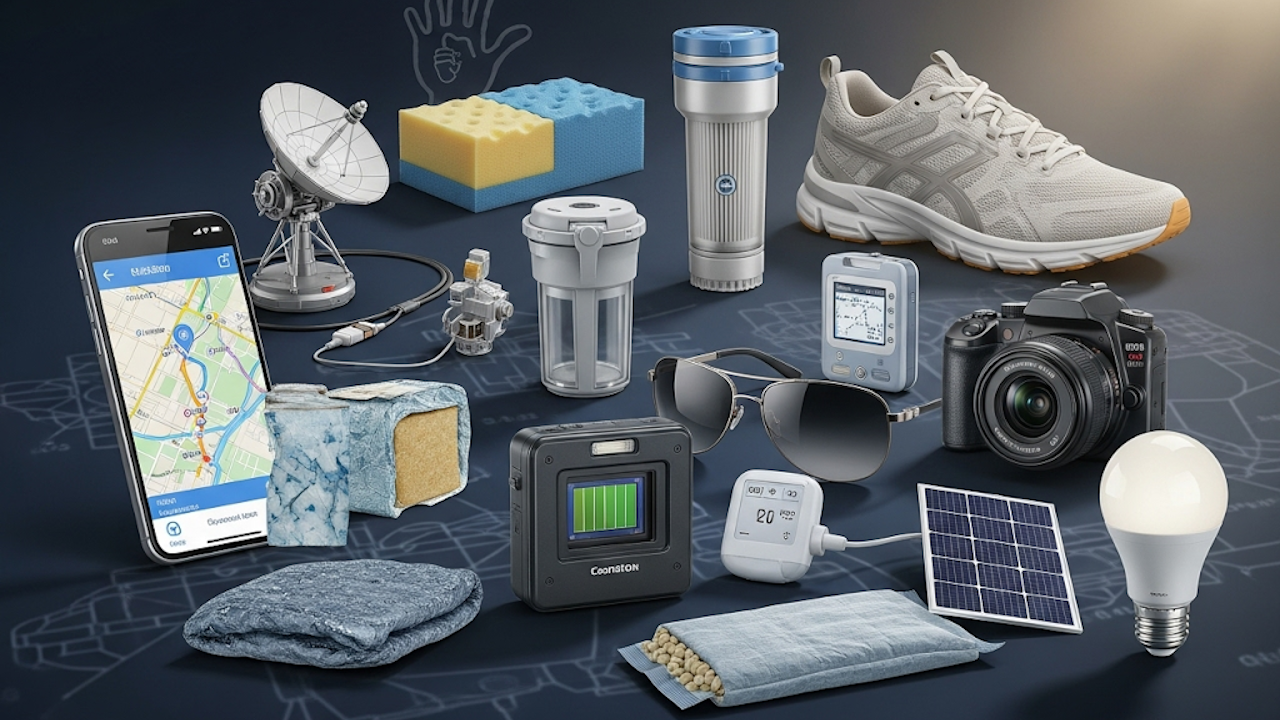
Space exploration has always captured the human imagination with visions of distant planets, astronauts floating in zero gravity, and rockets piercing the sky. Yet beyond the awe-inspiring missions and scientific discoveries, the pursuit of space travel has delivered profound practical benefits to life on Earth. NASA and other space agencies faced extreme challenges: creating technologies that must withstand intense heat and cold, function in a vacuum, conserve limited resources, and ensure human survival. The solutions developed for these problems often found their way into consumer products, medical devices, transportation systems, and household goods. These spin-offs, sometimes called NASA spinoffs, touch nearly every aspect of daily routines.
This article explores many everyday items and technologies that owe their existence or significant improvement to space exploration programs. From the mattress you sleep on to the camera in your phone, space research continues to shape the modern world in surprising ways.
Comfort and Materials in the Home
One of the most famous examples is memory foam, also known as temper foam. NASA researchers at Ames Research Center developed this material in the 1960s to provide better cushioning and crash protection for test pilots and astronauts. The foam absorbs shock and pressure while returning to its original shape. Today it appears in mattresses, pillows, shoe insoles, sports padding, and even furniture. Millions enjoy more comfortable sleep and better support thanks to this space-derived innovation.
Insulation materials represent another major contribution. Spacecraft require protection from extreme temperatures, leading to the creation of lightweight, reflective materials like Mylar. These multi-layer insulations now help keep homes and buildings energy efficient. Similar technologies appear in emergency blankets, often called space blankets, which reflect body heat and are standard in first aid kits and survival gear.
Water management in space demanded highly efficient purification systems for long missions such as those in the Apollo program. NASA developed advanced filtration techniques using charcoal and other methods to recycle and clean water. These systems evolved into affordable home water filters that remove impurities and improve taste for everyday drinking water.
Kitchen and Food Innovations
Space travel required food that was nutritious, lightweight, and long-lasting. This need drove the development of freeze-dried food technology. By removing moisture from foods while preserving nutrients and flavor, astronauts could enjoy meals far from Earth. The same process now produces popular camping foods, instant meals, and preserved fruits or vegetables found in grocery stores.
Nutritional research for astronauts also led to improvements in enriched baby formula. Scientists studied ways to deliver essential nutrients in compact forms suitable for space, resulting in formulas that better support infant development on Earth.
Health and Medical Advances
Space exploration pushed boundaries in medical technology. Infrared ear thermometers emerged from NASA collaborations. These devices use infrared technology, similar to that employed by astronomers to measure planetary temperatures, to take quick, accurate readings without contact. They revolutionized fever checks in homes, clinics, and hospitals by reducing cross-infection risks.
Cochlear implants benefited from space-related research into signal processing and miniaturization. These devices help restore hearing by stimulating the auditory nerve, improving quality of life for many people with hearing impairments.
Prosthetics and artificial limbs gained advancements from materials and shock-absorption techniques originally designed for landing impacts or astronaut suits. Memory foam and other composites make modern prosthetics more comfortable and responsive.
Imaging technologies also trace roots to space needs. While not all CAT scanners came directly from NASA, related computational and sensor advancements supported better medical diagnostics. Research into lightweight, radiation-resistant materials and sensors continues to influence healthcare equipment.
Electronics and Communication
The camera in your smartphone exists largely because of space exploration. NASA’s Jet Propulsion Laboratory developed CMOS image sensors to create miniature, low-power cameras for interplanetary missions. These sensors enabled compact digital imaging that transformed mobile phones, action cameras, and countless other devices into powerful photography tools. Selfies, video calls, and social media as we know them rely on this technology.
Microprocessors and computing advancements received a boost from the Apollo program’s need for reliable, compact guidance systems. The demand for integrated circuits accelerated the miniaturization and affordability of computer chips found in everything from laptops to household appliances.
Portable computing and communication tools also advanced through space requirements. Early efforts in wireless technology for astronauts contributed to modern cordless headphones and headsets.
Tools and Household Appliances
Cordless power tools originated from NASA’s partnership with Black & Decker during the Apollo era. Astronauts needed a drill that could function on the Moon without relying on bulky power sources. The resulting battery-powered technology led to cordless drills, screwdrivers, and eventually the popular DustBuster handheld vacuum cleaner. Many homes and workshops now rely on these convenient, portable devices.
Transportation and Safety
Space programs improved automotive safety and performance. Materials from Mars lander tires, which needed to be exceptionally durable, influenced longer-lasting car tires that offer better mileage and strength.
Grooved pavement on roads reduces hydroplaning and improves tire grip in wet conditions. This safety feature came from NASA research into runway surfaces for aircraft and spacecraft landings. Many highways and airports incorporate these grooves today.
Crash helmets and protective gear benefited from impact-absorbing foams developed for space. These materials cushion blows more effectively in sports, motorcycles, and construction.
Smoke detectors in homes trace improvements to NASA’s work on fire safety in spacecraft. Adjustable and more reliable sensors help protect families from fire hazards. Firefighting equipment also advanced with lighter, more effective materials and breathing systems.
Energy and Environment
Solar power technology advanced significantly due to the need for reliable energy on spacecraft far from Earth. While solar cells existed before, NASA’s requirements for efficiency and durability drove improvements that made solar panels more practical for homes and businesses.
Air purification systems designed for the International Space Station now appear in commercial air filters, helping remove toxins and improve indoor air quality in offices, schools, and homes.
Vertical farming techniques first tested for growing food in space now support sustainable agriculture on Earth, reducing water use and enabling fresh produce in urban environments.
Broader Impacts and the Future
Beyond specific products, space exploration accelerated fields like materials science, robotics, and data analysis. Technologies for satellite communication improved global positioning systems (GPS), weather forecasting, and emergency response. Personal locator beacons, for example, help rescuers find people in distress on mountains or at sea.
The economic ripple effects are substantial. NASA estimates that its spinoff programs have created jobs, generated revenue, and reduced costs across industries. These innovations demonstrate how investing in ambitious scientific endeavors yields returns that extend far beyond the original goals.
Every time someone sleeps on a memory foam pillow, filters tap water for drinking, takes a temperature with an ear thermometer, or snaps a photo with a phone, they experience the indirect legacy of space exploration. These technologies were born from the necessity of surviving and thriving in the harshest environment imaginable. As humanity continues to push further into space with new missions to the Moon, Mars, and beyond, more innovations will likely emerge to enrich daily life on Earth.
The story of space spin-offs reminds us that exploration is not just about discovery in the cosmos. It is about solving problems that ultimately make life better, safer, and more comfortable right here at home. The next time you use a cordless vacuum, check a weather app, or enjoy a freeze-dried snack on a hike, remember that a bit of space technology is at work in your everyday world.