

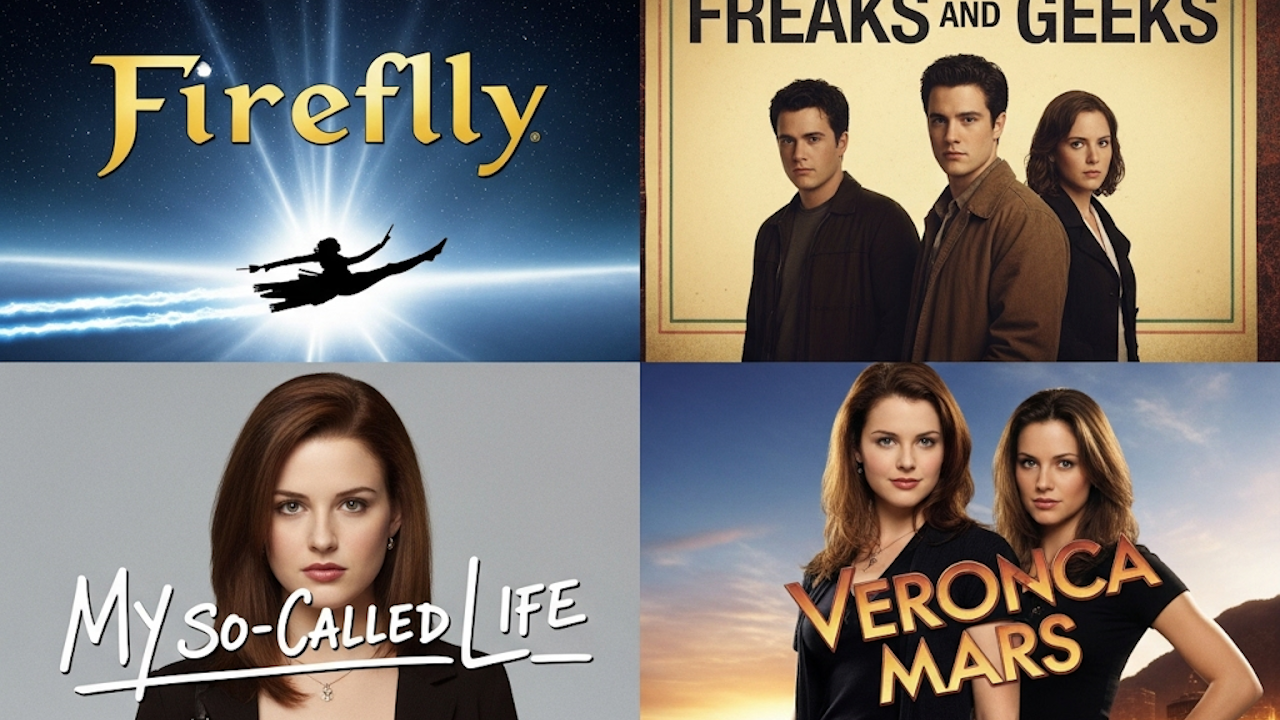
Television history is filled with promising series that captured imaginations, built devoted fan bases, and delivered exceptional storytelling only to be cut short by network decisions. These cancellations often stem from low initial ratings, high production costs, scheduling issues, or shifts in executive priorities toward safer, more commercially viable content. Yet many of these shows gain cult status long after their demise, proving their quality through word of mouth, DVD sales, streaming revivals, or passionate fan campaigns. This article explores some of the most notable examples of television programs that ended prematurely, examining what made them special and why their abrupt endings left audiences wanting more.
One of the most iconic cases is Firefly, created by Joss Whedon and aired on Fox in 2002. This space western blended science fiction adventure with character driven drama, following a crew of outlaws aboard the spaceship Serenity in a future where Earth has been abandoned and alliances have reshaped the galaxy. The show featured sharp dialogue, moral complexity, and a found family dynamic among its eclectic cast, including Captain Malcolm Reynolds played by Nathan Fillion. Despite critical praise for its innovative genre mix and strong ensemble performances, Firefly struggled in the ratings. Fox aired episodes out of order, placed it in the challenging Friday night slot, and provided inconsistent promotion. Only 11 of the 14 produced episodes aired before cancellation.
The legacy of Firefly endures strongly. Its DVD release sold exceptionally well, sparking a massive fan movement known as the Browncoats. This support led to the 2005 feature film Serenity, which continued the story and resolved some hanging plot threads. Even decades later, the series is frequently cited as a prime example of a show canceled before it could fully realize its potential, with fans still hoping for further revivals, including mentions of animated projects.
Another standout is Freaks and Geeks, which premiered on NBC in 1999. Created by Paul Feig and executive produced by Judd Apatow, the show offered a realistic and heartfelt portrayal of high school life in the early 1980s. It followed Lindsay Weir as she navigated between the “freaks” and “geeks” social groups, with memorable performances by Linda Cardellini, James Franco, and Seth Rogen in early roles. The series excelled at blending humor with poignant coming of age moments, avoiding typical teen drama cliches. NBC canceled it after one season due to modest ratings and a perceived lack of broad appeal.
Despite its short run, Freaks and Geeks influenced countless subsequent shows with its authentic tone and character focus. Its cast went on to major careers, and the series remains a benchmark for smart, nostalgic television. Many consider it one of the greatest single season runs in TV history.
Arrested Development stands as a landmark in sitcom innovation. Debuting on Fox in 2003, this mockumentary style comedy centered on the dysfunctional Bluth family, whose patriarch’s shady business dealings left them penniless. Creator Mitch Hurwitz crafted a dense narrative full of running gags, callbacks, and layered jokes that rewarded repeat viewings. The cast, including Jason Bateman, Will Arnett, and Michael Cera, delivered impeccable comedic timing. Although it earned critical acclaim and multiple Emmy awards, low ratings led to its cancellation after three seasons in 2006.
The show’s cult following grew through syndication and home video, prompting Netflix to revive it years later for additional seasons. While the later seasons received mixed reviews compared to the original run, the first three seasons continue to be celebrated for their clever writing and influence on modern comedy.
Hannibal, Bryan Fuller’s stylish adaptation of Thomas Harris’s characters, aired on NBC from 2013 to 2015. The series reimagined the relationship between FBI profiler Will Graham and the brilliant cannibal psychiatrist Hannibal Lecter, played brilliantly by Hugh Dancy and Mads Mikkelsen. It was renowned for its visually striking episodes, psychological depth, and bold approach to horror and cuisine. Despite strong critical reception, viewership remained low, and NBC canceled it after three seasons.
Fans, often called Fannibals, continue to advocate for a return. The show’s artistic ambition and complex character dynamics set it apart, and its cancellation highlighted the challenges faced by quality dramas that do not immediately attract massive audiences.
Pushing Daisies brought whimsy and charm to ABC from 2007 to 2009. Created by Bryan Fuller, this fairy tale like series followed Ned, a pie maker who could bring the dead back to life with a touch, though with strict limitations. The vibrant visual style, narration by Jim Dale, and romantic core between Ned and Chuck made it a delightful standout. High production costs and modest ratings contributed to its end after two seasons.
Its unique tone and emotional storytelling left a lasting impression, with many viewers still mourning the unresolved storylines and hoping for some form of continuation.
The OA, a Netflix original from 2016, defied easy categorization. Created by Brit Marling and Zal Batmanglij, it explored dimensions, near death experiences, and intricate dance movements as interdimensional travel. The ambitious narrative and philosophical themes divided some viewers but captivated others with its bold risks. Netflix canceled it after two seasons, leaving major cliffhangers.
The series demonstrated streaming platforms’ willingness to experiment, even if such experiments sometimes end abruptly. Its dedicated fan base organized campaigns and theories long after cancellation.
Mindhunter, based on real FBI profiling work, premiered on Netflix in 2017. Produced by David Fincher, it delved into the psychology of serial killers through interviews and investigations in the late 1970s. The meticulous attention to period detail, strong performances by Jonathan Groff and Holt McCallister, and slow burn tension defined the show. It was canceled after two seasons, with a planned third season shelved.
The show’s influence on true crime storytelling persists, and its cancellation disappointed those eager for more explorations of criminal minds.
The Dark Crystal: Age of Resistance arrived on Netflix in 2019 as a prequel to the 1982 film. This puppet driven fantasy epic featured stunning visuals, rich world building, and a compelling story of rebellion against tyrannical overlords. Despite universal acclaim for its craftsmanship and storytelling, Netflix canceled it after one season due to high costs.
The series revived interest in practical effects and fantasy lore, earning Emmy recognition and a devoted following that still calls for more stories from Thra.
Other notable mentions include Deadwood, which HBO ended after three seasons before a belated movie wrapped up its arcs, Sense8, canceled by Netflix after two seasons but granted a finale special due to fan outcry, and GLOW, halted mid production by external circumstances.
These cancellations often reflect broader industry trends. Networks and streamers prioritize immediate metrics like viewership numbers and completion rates over long term cultural impact. Rising costs for quality productions make executives cautious, favoring reboots or established franchises. Yet the rise of streaming has allowed some shows to find new life through revivals or fan supported campaigns.
In conclusion, shows canceled too soon remind us of television’s potential to create meaningful art that resonates deeply. They highlight the gap between commercial success and artistic merit. While fans may never get full resolutions in every case, the enduring popularity of these series ensures their stories live on. They inspire creators to take risks and audiences to champion the underdogs, proving that great television can transcend its original run and become part of our cultural conversation for years to come.