

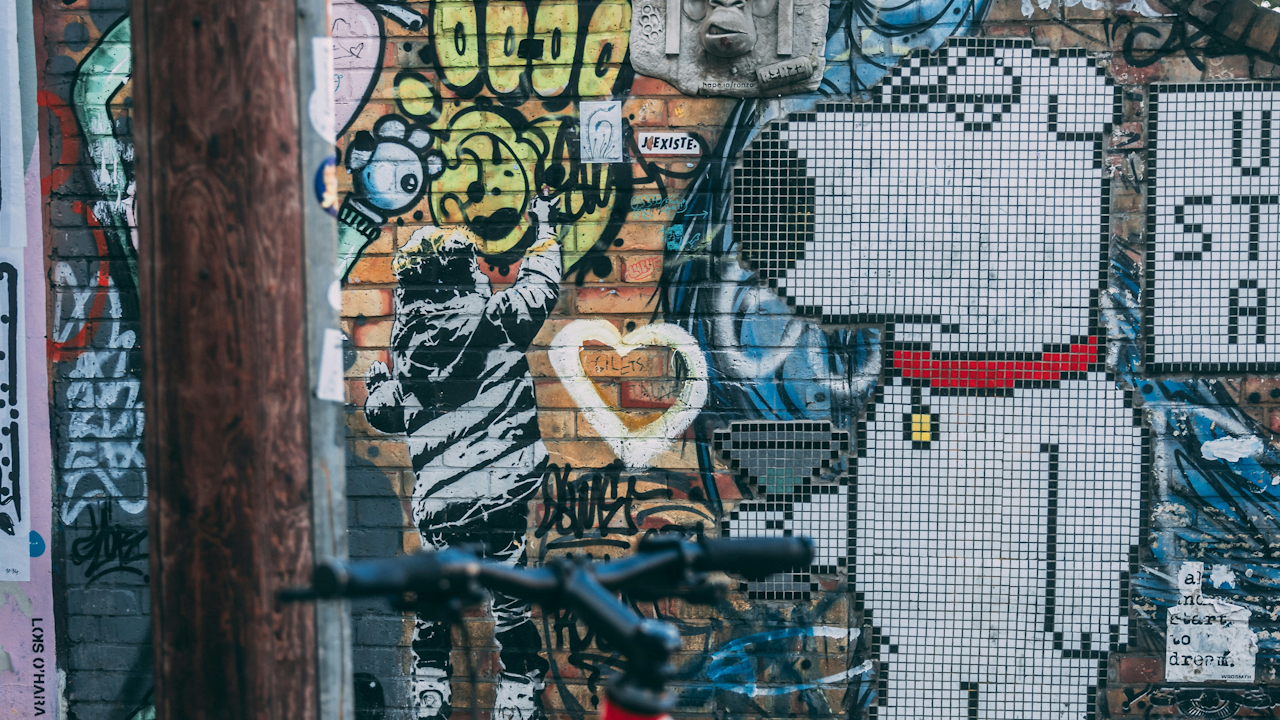
Street art has evolved from underground expressions to a powerful form of public communication that can transform neighborhoods, spark conversations, and inspire communities. Whether you want to beautify a dull wall, raise awareness about social issues, or simply express your creativity, launching your own street art project is an accessible yet impactful endeavor. This comprehensive guide walks you through every stage, from initial ideas to long-term sustainability. By following these steps, beginners and experienced creators alike can develop projects that resonate with audiences and respect the environments they inhabit.
Understanding Street Art and Its Potential
Street art encompasses a wide range of visual expressions placed in public spaces. It includes murals, stencils, paste-ups, installations, yarn bombing, and guerrilla gardening. Unlike traditional gallery art, street art is democratic because it reaches people who might never visit museums. It can celebrate local culture, protest injustice, or add color to overlooked areas.
Before starting, reflect on your motivations. Are you aiming for aesthetic improvement, political commentary, or personal branding as an artist? Clear goals will guide decisions later. Study influential artists such as Banksy, Shepard Fairey, or local talents in your city to understand techniques and messages that endure. Visit public spaces to observe how existing works interact with their surroundings. This research phase helps avoid common pitfalls like creating pieces that clash with the neighborhood vibe.
Legal and Ethical Considerations
One of the most critical aspects of any street art project is legality. Unauthorized work on private or public property can lead to fines, cleanup costs, or legal action. Research local laws regarding graffiti and public art. Some cities have designated walls for free expression, while others require permits.
Contact property owners or city officials early. Propose your idea with a clear plan, including sketches and community benefits. Many municipalities support public art programs that provide official approval. If permission is granted, document everything in writing to protect yourself.
Ethically, consider the impact on residents. Avoid locations near schools or sensitive sites unless your message aligns positively. Respect cultural contexts and avoid appropriation. Engage with community leaders to ensure your project uplifts rather than disrupts. Sustainability matters too. Use eco-friendly materials to minimize environmental harm.
Planning Your Project
Successful street art begins with thorough planning. Define the scope. Will this be a single piece or a series across multiple locations? Set a timeline that accounts for preparation, creation, and follow-up.
Develop a concept that is original yet relatable. Brainstorm themes based on current events, local history, or universal emotions. Sketch ideas on paper or use digital tools like Procreate or Photoshop. Create multiple versions and seek feedback from trusted friends.
Budgeting is essential. Calculate costs for materials, transportation, and any permits. Start small if resources are limited. Crowdfunding platforms like Kickstarter or local grants for public art can provide funding. Assemble a team if the project is ambitious. Roles might include artists, photographers, community liaisons, and assistants.
Gathering Materials and Tools
Quality materials make a difference in durability and visual appeal. For murals, acrylic paints or spray paints designed for outdoor use are common. Choose weather-resistant options that withstand rain, sun, and temperature changes.
Essential supplies include:
- Paints in various colors
- Brushes, rollers, and spray cans
- Stencils or projectors for complex designs
- Ladders or scaffolding for elevated work
- Protective gear such as gloves, masks, and coveralls
- Cleaning supplies for preparation and aftermath
Source materials responsibly. Buy from local suppliers to support the economy. Test paints on sample surfaces to check adhesion and colorfastness. For paste-ups or wheatpasting, mix flour and water into a strong adhesive. Installations might require wood, fabric, or recycled items.
Safety equipment cannot be overlooked. High-visibility vests, sturdy shoes, and first-aid kits are necessary when working in public.
Choosing Locations and Building Community Support
Location determines visibility and impact. Scout areas with high foot traffic but low risk of immediate removal. Abandoned buildings, underpasses, or community centers often welcome art. Always secure permission.
Build relationships with locals. Attend neighborhood meetings or organize informal gatherings to present your vision. Community buy-in increases the chances of longevity and positive reception. Partner with schools, nonprofits, or businesses for collaborative projects.
Consider accessibility. Ensure your art is visible to people of all ages and abilities. Avoid blocking pathways or creating hazards.
Creating Your Artwork
With planning complete, focus on production. Practice techniques in a studio or private space. Experiment with scale since public works look different from small sketches.
For painting, prepare the surface by cleaning dirt and applying primer if needed. Use a grid system or projector to transfer designs accurately. Work in layers, starting with backgrounds and moving to details. Spray paint requires good ventilation and control to avoid drips.
Stencils allow for quick replication. Cut designs from thick paper or plastic. Paste-ups involve printing images on paper and applying adhesive.
Document the creative process with photos and notes. This material becomes valuable for promotion and reflection.
Execution and Installation
Timing matters. Choose hours with suitable weather and lower crowds to reduce interruptions. Early mornings or late evenings often work well, but check local regulations.
Work efficiently. Divide tasks among team members. One person handles painting while another manages crowd interaction. Stay friendly and explain the project to curious passersby. This interaction can turn into valuable networking.
For installations, ensure pieces are secure. Use strong adhesives or mounting hardware. Test stability before final placement.
After completion, clean the area thoroughly. Remove any tape, drop cloths, or waste. A professional finish leaves a positive impression.
Promotion and Documentation
Share your work to amplify its reach. Take high-quality photographs from multiple angles and during different times of day. Create a before-and-after series to show transformation.
Use social media platforms like Instagram, TikTok, or X to post updates. Develop a hashtag unique to the project. Write press releases for local newspapers or art blogs. Host a small unveiling event with music or talks to engage the public.
Track metrics such as social media engagement, visitor comments, and media mentions. This data helps justify future projects.
Safety, Maintenance, and Long-Term Sustainability
Prioritize safety throughout. Work with partners rather than alone. Inform someone of your schedule and location. Be aware of surroundings and have an exit strategy if needed.
Plan for maintenance. Street art faces weather, vandalism, and urban decay. Use protective sealants for murals. Schedule periodic check-ups to touch up fading areas.
Sustainability extends beyond materials. Design projects that evolve or inspire ongoing community involvement. Train local volunteers to continue the work. Document lessons learned to refine future efforts.
Common Challenges and How to Overcome Them
Weather delays are frequent. Monitor forecasts and have indoor alternatives ready. Budget overruns happen when supplies run short. Purchase extras in advance.
Permission rejections are common. View them as opportunities to refine proposals or find new sites. Criticism from the public can sting, but focus on constructive feedback.
Scaling up gradually builds confidence. Begin with small permitted pieces before tackling larger unauthorized-style works within legal bounds.
Inspiring Examples from Around the World
Cities like Philadelphia have thriving mural programs that transformed neighborhoods. Melbourne in Australia features laneway art that boosts tourism. In your own area, look for successful local initiatives and adapt their strategies.
Artists who started small, like those participating in open wall programs, often progress to major commissions. Persistence and adaptability are key.
Conclusion
Starting a street art project combines creativity, planning, and community engagement. By addressing legal aspects, preparing thoroughly, executing safely, and promoting thoughtfully, you can create work that enriches public spaces and leaves a lasting legacy. The process itself fosters personal growth and connections.
Remember that every major street art movement began with individuals taking that first step. Gather your ideas, secure support, and bring your vision to the streets. With dedication and respect for the craft, your project could become a catalyst for positive change in your community. The streets are waiting for your contribution.