

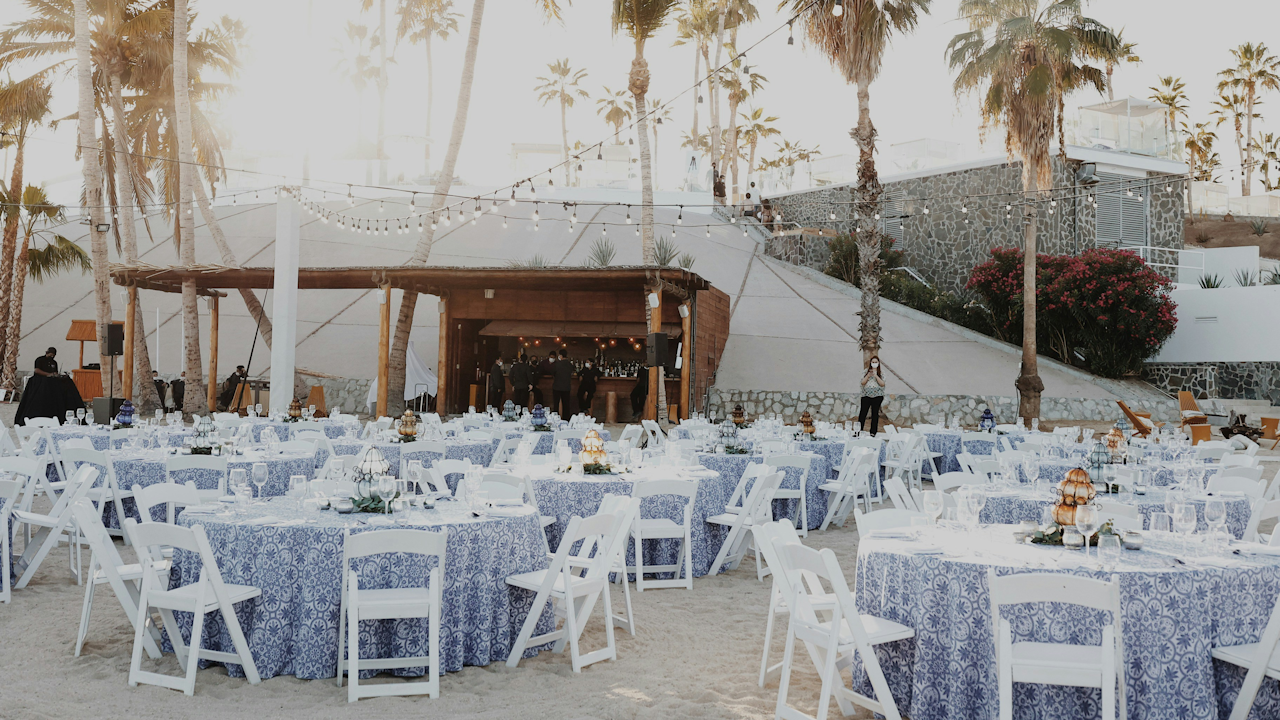
Organizing a party that leaves a lasting impression on your guests requires careful planning, creativity, and attention to detail. Whether it is a birthday celebration, a holiday gathering, or a casual get-together, the key to success lies in creating an experience that feels personal, exciting, and seamless. In this comprehensive guide, we will explore every step of the process, from initial brainstorming to post-party reflections. By following these tips, you can transform a simple event into an unforgettable affair that your guests will talk about for years to come.
Step 1: Define Your Vision and Set Goals
Before diving into the logistics, start by clarifying what you want your party to achieve. Ask yourself a few fundamental questions. What is the occasion? Who is the guest of honor, if any? What mood do you aim to create: relaxed and intimate, or energetic and lively? Establishing a clear vision early on will guide all your decisions.
Consider the scale of the event. A small dinner party for ten people demands different preparations than a large backyard bash for fifty. Think about your goals. Do you want guests to network, dance the night away, or simply enjoy good conversation? Once you have a solid foundation, you can move forward with confidence.
Budgeting plays a crucial role here. Determine how much you are willing to spend overall, and break it down into categories like food, decorations, and entertainment. A realistic budget prevents overspending and ensures you allocate resources where they matter most. For example, if your vision includes a themed costume party, prioritize funds for props and attire over elaborate lighting.
Step 2: Choose a Theme and Date
A well-chosen theme can elevate your party from ordinary to extraordinary. Themes provide a cohesive framework that ties together decorations, food, and activities. Popular options include retro decades, tropical luaus, masquerade balls, or even a “murder mystery” night. Select something that aligns with the occasion and your guests’ interests. If it is a surprise party, ensure the theme reflects the honoree’s personality.
Next, pick a date and time. Check calendars for conflicts with holidays, major events, or personal commitments. Weekends often work best for larger parties, while weekday evenings suit more intimate gatherings. Consider the season and weather, especially for outdoor events. Send out save-the-date notices early to gauge interest and secure attendance.
Venue selection is equally important. Your home might suffice for a cozy affair, but rent a hall, park pavilion, or even a boat for something grander. Evaluate factors like capacity, accessibility, parking, and amenities. If hosting at home, assess space for mingling, dining, and activities. Always have a backup plan for inclement weather.
Step 3: Curate the Guest List and Send Invitations
The people you invite set the tone for the party. Aim for a mix of personalities to foster lively interactions, but avoid overcrowding. Start with close friends and family, then expand to acquaintances who share common interests. For themed parties, consider how guests might engage with the concept.
Invitations should reflect the party’s style and provide essential details: date, time, location, dress code, and RSVP instructions. Digital options like email or apps are convenient and eco-friendly, but physical cards add a touch of elegance for formal events. Include any special requests, such as bringing a dish or wearing costumes. Follow up with non-responders to finalize numbers, which helps with planning food and seating.
Personalize invitations to build excitement. A handwritten note or a custom graphic can make guests feel valued. For virtual elements, if your party includes remote participants, use platforms like Zoom to integrate them seamlessly.
Step 4: Plan Decorations and Create Atmosphere
Decorations transform a space into a magical setting. Begin with the basics: balloons, streamers, and tablecloths in colors that match your theme. For a sophisticated touch, incorporate fresh flowers, candles, or fairy lights. DIY elements, such as handmade signs or photo backdrops, add personality without breaking the bank.
Think about the flow of the space. Arrange furniture to encourage mingling, with distinct areas for eating, dancing, and relaxing. Scent can enhance the atmosphere; use diffusers with essential oils or themed candles. For evening parties, lighting is key. Soft, ambient lights create intimacy, while colorful LEDs energize a dance floor.
Do not overlook small details. Place cards, themed napkins, and custom centerpieces can tie everything together. If budget allows, hire a decorator or rent items like photo booths or inflatables. Test setups in advance to ensure everything looks cohesive and functional.
Step 5: Organize Food and Beverages
Food and drinks are often the highlight of any party. Decide on a menu that suits your theme and guests’ dietary needs. Options range from finger foods and buffets for casual vibes to plated dinners for formal settings. Consider allergies, vegetarian preferences, and cultural sensitivities when planning.
For appetizers, offer a variety like cheese platters, dips, and skewers. Main courses could include grilled meats, salads, or pasta dishes. Desserts, such as cakes or cookies, provide a sweet finale. If cooking yourself, prepare as much as possible in advance to avoid last-minute stress. Alternatively, caterers can handle everything, freeing you to enjoy the event.
Beverages should include non-alcoholic options like sodas, juices, and mocktails, alongside beer, wine, or cocktails. Set up a self-serve bar with garnishes and recipes for fun mixes. Hydration is important; provide plenty of water, especially for outdoor or active parties. Estimate quantities based on guest count: about one pound of food and two drinks per person per hour.
Step 6: Arrange Entertainment and Activities
Entertainment keeps the energy high and ensures guests stay engaged. Music is essential; create playlists or hire a DJ to match the mood. Games like charades, trivia, or board games foster interaction. For larger crowds, consider hiring performers such as magicians, bands, or dancers.
Incorporate activities tied to your theme. A luau might feature limbo contests, while a mystery party could involve clue-solving. Photo opportunities, like a themed booth with props, encourage sharing on social media. For kids’ parties, add bouncy castles or craft stations. Even for adults, interactive elements like karaoke or dance-offs can create memorable moments.
Pace the entertainment throughout the event. Start with low-key mingling, build to high-energy activities, and wind down with relaxed conversations. Have backups in case of technical issues or low participation.
Step 7: Handle Logistics and Safety
Smooth logistics make the difference between a good party and a great one. Create a timeline: when to set up, serve food, start activities, and wrap up. Delegate tasks to helpers for setup, serving, and cleanup. Rent equipment like tables, chairs, or sound systems if needed.
Safety should never be overlooked. Ensure the venue is hazard-free, with clear walkways and adequate lighting. For alcohol-serving parties, arrange designated drivers or ride-sharing options. Have a first-aid kit on hand, and know emergency contacts. If children are attending, childproof the space and supervise activities.
Post-party cleanup can be daunting, so plan ahead. Use disposable items where practical, and enlist volunteers. Recycling stations promote eco-friendliness. Send thank-you notes afterward to express gratitude and gather feedback for future events.
Step 8: Add Personal Touches and Surprises
What truly makes a party unforgettable are the unique elements that reflect your style. Personalize with stories, inside jokes, or mementos. Create a slideshow of photos or a guest book for messages. Surprises, like a flash mob or unexpected guest, can delight attendees.
Favors are a nice gesture: small gifts like candies, keychains, or plants that tie into the theme. They serve as reminders of the fun had. Incorporate technology thoughtfully, such as a shared playlist or event app for updates.
Finally, be present as the host. Greet guests warmly, introduce people, and circulate to ensure everyone feels included. Your enthusiasm is contagious and sets the overall vibe.
Conclusion: Reflect and Improve
Organizing an unforgettable party is both an art and a science. By meticulously planning each aspect, from theme to cleanup, you create an environment where memories are made. Remember, the goal is not perfection but genuine enjoyment. After the event, reflect on what worked and what could be better. This insight will make your next party even more spectacular.
With these steps, you are well-equipped to host a gathering that stands out. Start small if you are new to this, and scale up as you gain experience. Happy planning, and may your party be filled with laughter, connection, and joy.