

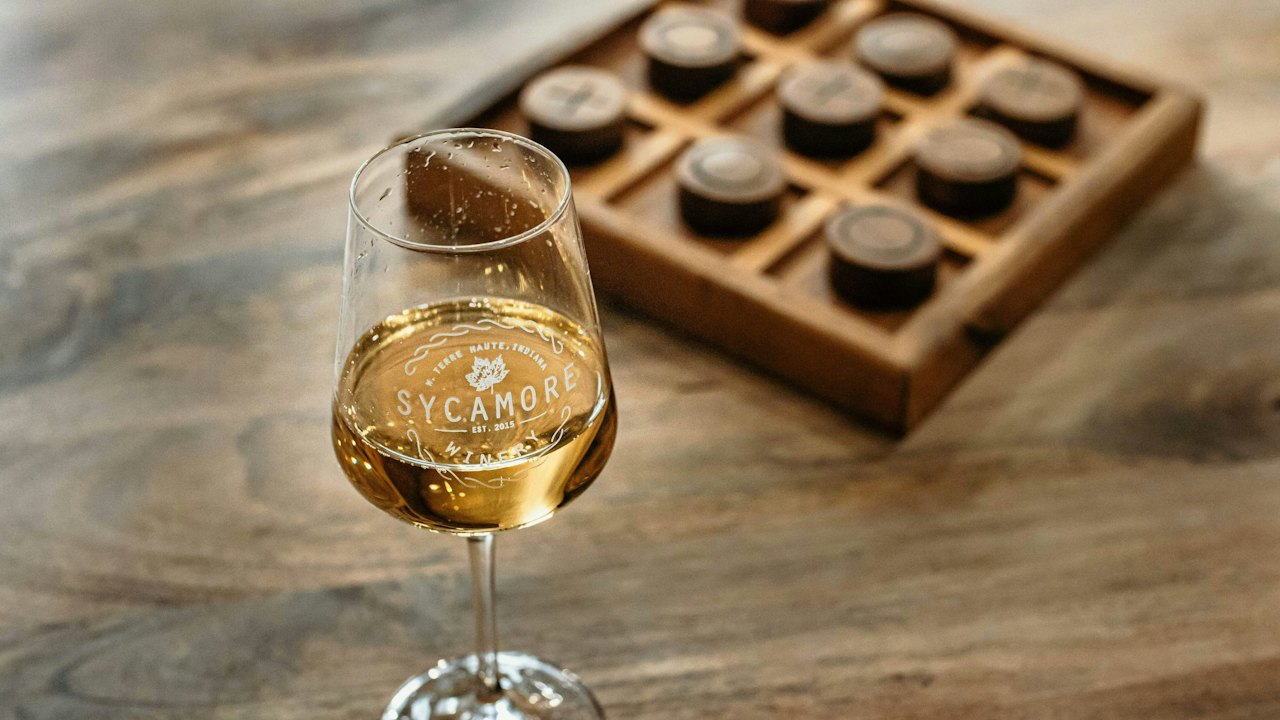
Blind wine tasting games transform ordinary gatherings into engaging, educational, and entertaining events. By concealing the labels and identities of the wines, participants focus purely on sensory evaluation, honing their palates while competing in a fun, low-stakes challenge. This format levels the playing field, allowing novices and experts alike to participate without preconceived notions influencing their judgments. Whether hosted at home for friends, as part of a dinner party, or even virtually, a blind tasting encourages discovery, sparks conversation, and often leads to surprising revelations about personal preferences and wine characteristics. This comprehensive guide covers every aspect of planning and executing a successful blind wine tasting game, from initial concept to post-event reflections.
Planning the Event
Successful hosting begins with thorough preparation. Start by defining the scope and objectives. Decide on the number of participants; aim for 6 to 12 people to ensure everyone can contribute without the event becoming unwieldy. Smaller groups foster intimate discussions, while larger ones amplify the competitive energy.
Establish a theme to add structure and excitement. Themes keep the selection focused and educational. Popular options include varietal comparisons, such as tasting several Cabernet Sauvignons from different regions; regional explorations, like wines from Bordeaux versus those from Napa Valley; price-point challenges, pitting inexpensive bottles against premium ones; or stylistic contrasts, such as old world versus new world expressions. For beginners, a simple red versus white lineup works well, gradually introducing complexity.
Set a date and time that accommodates tasting without rush. Evenings or weekend afternoons are ideal, lasting two to three hours. Allocate 10 to 15 minutes per wine for pouring, tasting, noting, and discussion. Consider dietary needs and provide non-alcoholic alternatives or water to maintain hydration.
Budget wisely. Wines typically range from affordable to mid-priced to keep costs manageable. Plan for one bottle per four to six participants, assuming standard 5-ounce pours. Factor in accessories like glasses, scorecards, and snacks. Total expenses for a group of eight might fall between 100 and 300 pounds, depending on wine quality.
Create invitations with clear details: date, time, location, theme, any contributions required (such as appetizers), and a request to confirm attendance. Use digital tools for RSVPs to track numbers accurately.
Selecting the Wines
Wine choice forms the cornerstone of the experience. Aim for diversity within the theme to highlight nuances. For a varietal tasting, select four to six bottles of the same grape but from different producers, vintages, or countries. Ensure variety in body, acidity, tannins, and flavor profiles.
Source wines from reputable retailers, local shops, or online platforms. Read reviews and consult staff for recommendations. Balance the lineup to include crowd-pleasers alongside more challenging selections. Avoid extremes that might overwhelm novices, such as highly tannic or overly sweet wines unless intentional.
Prepare for reveals by noting key details privately: producer, vintage, region, grape variety, and price. This information fuels post-tasting discussions. Purchase extras if possible for retasting winners or ties.
Preparing the Venue and Materials
Transform the space into a neutral, comfortable tasting area. Choose a well-lit room with neutral walls to avoid color biases. Arrange seating in a circle or around a large table for easy interaction. Provide spittoons or dump buckets for those who prefer not to swallow every pour, promoting responsible consumption.
Gather essential supplies. Stemmed wine glasses are crucial; plan for one per wine per person to isolate flavors, or use all-purpose glasses if logistics constrain. Include water glasses, plain crackers or bread for palate cleansing, and pencils with scorecards.
Design scorecards with sections for appearance, aroma, taste, finish, and overall impression. Add fields for guessed identity and confidence level. Include a 1-to-10 scale or descriptive checkboxes for accessibility.
For blinding, use opaque bags, aluminum foil, or numbered sleeves to conceal bottles. Assign random numbers and record correspondences secretly. Decant reds in advance if needed, but pour blindly during the event.
Setting Up the Blind Tasting Process
Maintain impartiality through structured blinding. Number bottles sequentially and keep a master key hidden. If using bags, ensure no leaks or labels peek through.
Pour wines in flights of three to four to prevent fatigue. Serve whites before reds, lighter before heavier, and dry before sweet. Chill whites and sparkling wines appropriately; serve reds at cellar temperature, around 15 to 18 degrees Celsius.
Instruct participants on tasting technique. First, observe appearance: tilt the glass against a white background to assess color, clarity, and viscosity. Then, swirl to release aromas and note intensity and descriptors like fruit, floral, earthy, or spicy.
Sip and evaluate palate: acidity, sweetness, tannins, body, and flavors. Consider finish length and quality. Encourage silent noting before discussion to preserve independence.
Running the Game
Facilitate with enthusiasm and neutrality. Welcome everyone, explain rules, and outline the theme without spoilers. Demonstrate proper technique if needed.
Pour the first flight, announcing only the number. Allow individual evaluation time, then open group discussion for shared observations. Record collective guesses on a shared board.
Progress through flights, cleansing palates between each. Incorporate breaks for food pairings that complement without overpowering, such as cheeses, charcuterie, or nuts.
Inject fun elements like side bets on accurate guesses or penalties for wild misses. For virtual events, use video platforms and ship wines in advance or synchronize local purchases.
Scoring and Revealing
Adopt a flexible scoring system. Award points for correct grape, region, vintage, or price guesses, with bonuses for precision. Use blind voting for favorites to crown a winner.
Reveal identities dramatically after all tastings. Discuss surprises, such as underrated affordable wines or overhyped labels. Compare notes on sensory cues that led to correct or incorrect conclusions.
Announce game winners based on accumulated points or popular vote. Prepare small prizes like a bottle of the top wine, tasting journals, or humorous certificates.
Food Pairings and Enhancements
Elevate the experience with thoughtful pairings. Serve neutral foods during tasting to avoid influence, reserving bolder matches for afterward. Examples include mild cheeses with whites or dark chocolate with robust reds.
Offer water and non-wine beverages throughout. Conclude with a meal incorporating the wines for practical application.
Tips for Success and Variations
Anticipate challenges: manage dominant personalities by enforcing turn-taking; handle spills with spare linens; accommodate preferences by noting allergies.
Enhance education with reference materials like aroma wheels or glossaries. Record the session for later review.
Explore variations: vertical tastings of the same wine across vintages; horizontal across producers; or mystery bottles from guests. Adapt for themes like holiday pairings or sustainable wines.
Prioritize responsibility: encourage moderation, arrange transportation, and promote enjoyment over excess.
Conclusion
Hosting a blind wine tasting game rewards preparation with memorable shared experiences. It demystifies wine, builds confidence in sensory skills, and fosters connections through friendly competition. With careful planning, diverse selections, and engaging facilitation, the event becomes a highlight that participants recount long after the last pour. Experiment with formats, refine techniques over time, and watch as the game evolves into a cherished tradition.