

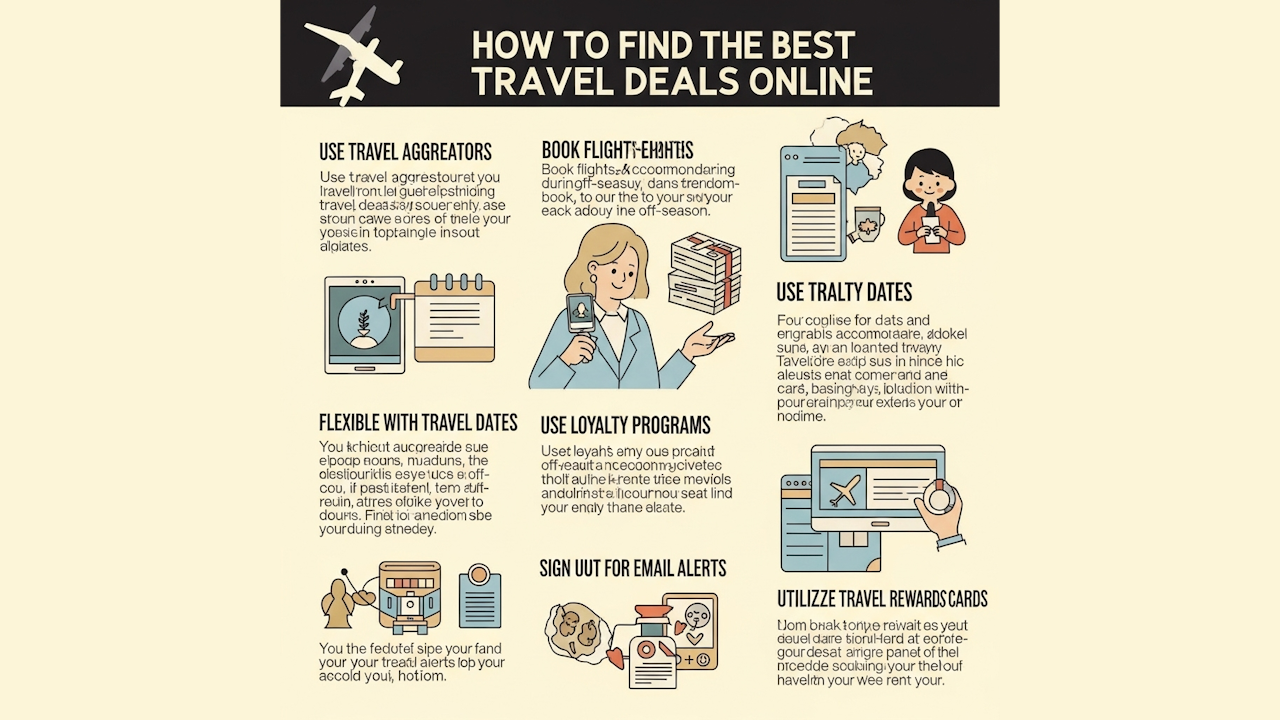
Travel costs can add up quickly, but in 2026 savvy online tools and strategies make it easier than ever to secure significant savings on flights, hotels, vacation packages, and more. Whether you are planning a quick weekend getaway or a multi-week international adventure, the right approach can cut hundreds or even thousands of dollars from your budget. This guide walks through proven methods step by step, drawing on current best practices and top-rated platforms to help you consistently uncover the lowest prices without sacrificing quality or convenience.
Start by Defining Your Trip and Setting a Realistic Budget
Before diving into any website, clarify exactly what you need. Decide on your travel dates, destinations, group size, and must-have features such as direct flights, beachfront hotels, or all-inclusive resorts. Flexibility here is key: even a one- or two-day shift in departure can slash costs dramatically. Set a firm budget that covers flights, lodging, transportation, meals, and extras like baggage fees or activities. Factor in shoulder or off-peak seasons, when prices often drop by 20 to 40 percent compared to peak summer or holiday periods. For example, January domestic flights average 16 percent cheaper than yearly norms, while international routes can dip up to 36 percent lower.
Create a simple spreadsheet or use free budgeting apps to track potential expenses. Research average costs for your chosen spots using quick searches on general travel sites. This preparation prevents impulse bookings and helps you recognize genuine deals when they appear. Once your parameters are locked in, you are ready to search efficiently rather than aimlessly.
Master Comparison Websites and Aggregators
The foundation of deal hunting lies in metasearch engines and online travel agencies that scan hundreds of airlines and hotels simultaneously. According to extensive 2026 testing across dozens of routes, the strongest performers include Momondo, Skyscanner, Skiplagged, and Google Flights. Momondo topped independent evaluations for both last-minute and advance-purchase fares thanks to its intuitive filters, baggage-fee calculator, price graphs, and “Flight insights” that reveal trends. Skyscanner excels with its “Explore everywhere” grid showing the cheapest global destinations from your home airport and color-coded calendars that highlight low-price days. Google Flights stands out for speed, interactive maps, and historical price data that predict whether fares are likely to rise or fall.
Kayak remains a reliable all-rounder, bundling flights, hotels, cars, and activities while offering robust price alerts. Other strong contenders are Momondo’s sibling site Kayak for similar results and Skiplagged for occasional standout last-minute bargains (though always verify final prices before committing). Avoid relying solely on one platform. Cross-check at least two or three aggregators because each pulls from slightly different sources and may surface unique discounts.
For vacation packages that combine flights and hotels, turn to Booking.com, Expedia, Priceline, and Orbitz. These sites frequently discount bundles by hundreds of dollars compared with booking components separately. Booking.com boasts over 31 million listings worldwide and transparent total pricing, while Expedia and Priceline shine for customizable family or romantic getaways with member rewards programs. Always compare the bundled price against individual bookings on airline and hotel sites to confirm you are truly saving.
Set Up Price Alerts and Subscribe to Newsletters
Manual daily searches waste time and miss sudden drops. Instead, enable automated alerts on your favorite tools. Google Flights, Kayak, Skyscanner, and Momondo all allow free price tracking for specific routes or flexible “anywhere” searches; you receive email or app notifications the moment fares decrease. Dedicated deal services take this further. Going (formerly Scott’s Cheap Flights), Dollar Flight Club, and Thrifty Traveler Premium scan thousands of routes daily and email curated alerts, including mistake fares that can cut prices by 50 percent or more. Many travelers report average savings of several hundred dollars per ticket after signing up.
Complement alerts with newsletters from Travelzoo, TravelPirates, and Travel + Leisure GO. These services handpick hotel, cruise, and package deals, often with exclusive member discounts up to 60 percent off. Travelzoo, for instance, highlights flash sales and local experiences that rarely appear in generic searches. Create a dedicated email folder for travel alerts so you can review them quickly without cluttering your inbox. Respond fast to limited-time offers because the best ones vanish within hours.
Time Your Bookings Strategically
Timing matters more than luck. For domestic trips, the sweet spot is one to three months ahead; for international journeys, aim for two to six months (or up to ten months for peak summer routes). Booking too early locks in higher introductory rates, while waiting until the last minute risks inflated last-minute pricing. Midweek departures (Tuesday or Wednesday) and returns (Saturday or Sunday) often cost less than weekend flights. Avoid major holidays, school breaks, and summer peaks whenever possible.
Use calendar and price-graph tools on Google Flights or Kayak to visualize the cheapest dates around your preferred window. These platforms display typical fare ranges and flag whether today’s price is a good deal. Flexible travelers benefit most: select the “flexible dates” or “cheapest month” option to scan an entire calendar at once. If your schedule allows, consider red-eye or early-morning flights for additional savings.
Stay Flexible with Airports, Destinations, and Itineraries
Rigidity costs money. Check nearby airports (enable the “include nearby” filter) because secondary hubs like Burbank instead of Los Angeles or Oakland instead of San Francisco can save $100 or more per ticket. Use the “Anywhere” or “Explore” maps on Google Flights and Skyscanner to discover surprise destinations priced far below your original target. You might plan a European city break only to find that a nearby country offers flights at half the cost.
For hotels, compare chain sites with metasearch engines. Booking.com and Hotels.com frequently run member-only promotions, while direct hotel bookings sometimes unlock free upgrades or waived resort fees. Last-minute hotel apps can yield steep discounts if you are open to same-week travel, though this works best for domestic or popular urban areas.
Bundle Smartly and Watch for Package Perks
Bundling flights with hotels or cars through Expedia, Travelocity, or Orbitz often unlocks automatic discounts that individual bookings cannot match. These platforms let you mix and match options while showing the combined total upfront. Look for member programs like One Key Rewards (Expedia family) or Genius (Booking.com) that layer extra savings and points redeemable on future trips. Airline-specific vacation arms, such as JetBlue Vacations or Delta Vacations, add perks like free checked bags or bonus miles for loyal flyers.
Before confirming any package, verify that the total price includes all taxes and fees. Compare the bundle against booking pieces separately on airline and hotel websites. Sometimes the savings evaporate once hidden costs surface. Read cancellation policies carefully: many sites now offer free changes within 24 hours or flexible insurance add-ons for peace of mind.
Download Mobile Apps for Real-Time Deals
Smartphones turn deal hunting into a portable habit. Hopper predicts price movements and suggests when to buy or wait, while Kayak and Google Flights apps deliver instant alerts and easy one-tap booking. Flighty excels at tracking delays and gate changes so you stay informed en route. For last-minute escapes, apps from Priceline, Hotwire, and Travelzoo surface same-day or next-week bargains that desktop users might miss.
Keep these apps updated and enable push notifications for your saved routes. Many also integrate loyalty cards and payment methods, streamlining the entire process from search to boarding pass.
Maximize Loyalty Programs, Credit Cards, and Points
Layer rewards on top of cash prices for compounded savings. Sign up for free airline and hotel loyalty programs early; even basic membership status can yield priority boarding, free bags, or room upgrades. Transferable points from cards like Chase Ultimate Rewards or Capital One Venture often stretch further when redeemed through travel portals or direct airline partners.
Search for travel credit cards that offer annual credits, companion fares, or statement credits on bookings. Some cards reimburse Global Entry or TSA PreCheck fees and provide travel insurance. Redeem accumulated points strategically during sales when airlines run mileage promotions. Combine points with cash for hybrid bookings that further reduce out-of-pocket costs.
Avoid Common Pitfalls and Hidden Fees
Scrutinize every quote for baggage allowances, seat-selection charges, and resort fees that appear only at checkout. Momondo and Hotwire help by displaying baggage costs upfront. Read user reviews on Booking.com or Tripadvisor to spot properties with surprise charges. Steer clear of unfamiliar third-party sites that promise unrealistically low fares; stick to well-rated aggregators and verify the final booking page belongs to the airline or reputable hotel chain.
Use private or incognito browsing windows to prevent dynamic pricing based on repeated searches, though results vary by platform. Consider a VPN for international currency fluctuations, but test fares both with and without it. Never click suspicious links in unsolicited emails; legitimate deals come through verified alert services.
For international travel, factor in currency exchange rates and potential visa or entry fees. Compare fares across country-specific versions of sites when searching from abroad. Always book refundable or changeable options if your plans might shift due to unforeseen events.
Advanced Strategies for Even Bigger Savings
Monitor shoulder seasons and emerging destinations that have not yet hit mainstream popularity. Join frequent-flier programs and credit-card communities that share flash sales. Set multiple alerts across different services so you never miss overlapping promotions. For groups or families, check multi-room hotel filters and family packages on Expedia or Travelocity.
If you spot an exceptionally low fare, book immediately and confirm within the 24-hour risk-free window offered by most major airlines. Re-check prices after booking; some sites will refund the difference if fares drop further.
Conclusion
Finding the best travel deals online in 2026 requires a mix of preparation, the right digital tools, and strategic flexibility. By defining your needs first, leveraging top aggregators like Momondo, Google Flights, and Skyscanner, activating price alerts through Going or Dollar Flight Club, timing bookings carefully, and bundling where it truly saves money, you position yourself to travel farther and more often for less. Combine these tactics with loyalty rewards and vigilant fee-checking, and you will consistently unlock discounts that make dream trips affordable realities. Start small with one upcoming trip, apply these steps, and watch your travel budget stretch dramatically. Happy hunting and smoother journeys ahead.