

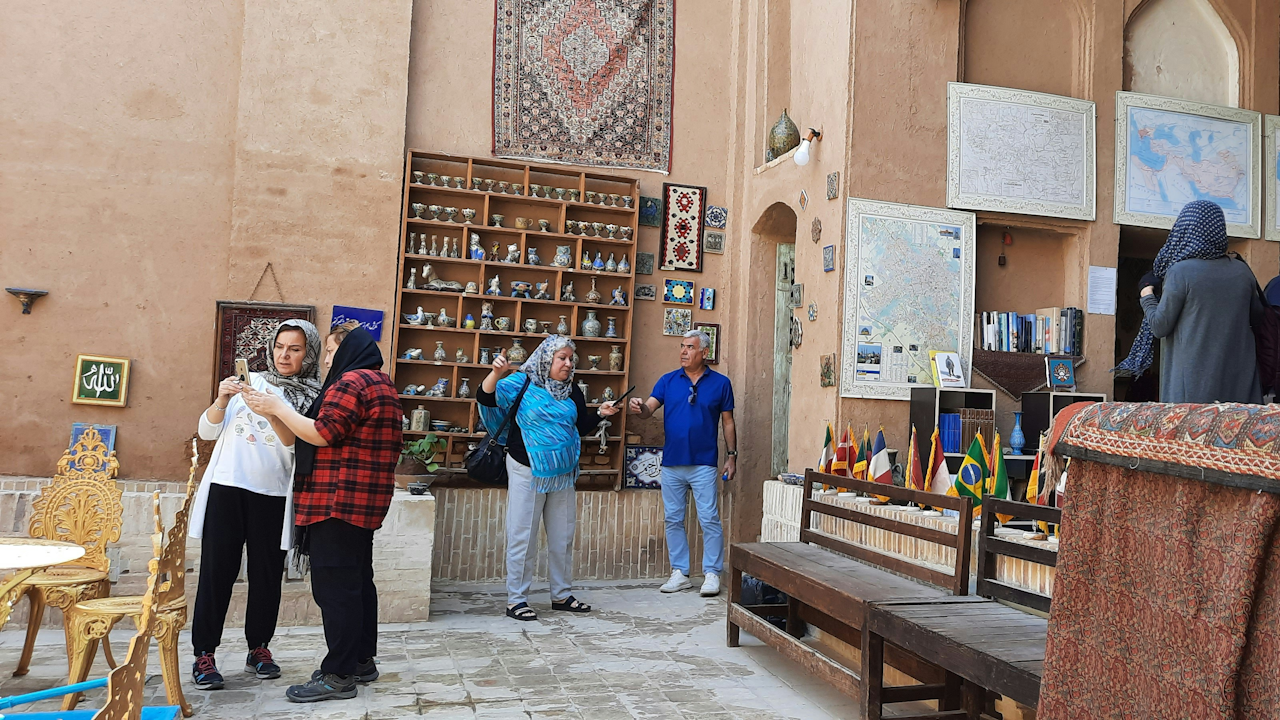
Traveling offers more than just scenic views and photo opportunities. It provides a gateway to understanding the world through the eyes of the people who call a destination home. Experiencing local culture transforms a trip from a checklist of landmarks into a meaningful connection with traditions, values, and daily life. This deeper engagement fosters empathy, broadens perspectives, and creates memories that last far beyond the journey. Whether you are a seasoned explorer or a first time traveler, embracing local culture requires intention, openness, and a willingness to step outside comfort zones. This guide outlines practical strategies to help you immerse yourself authentically while respecting the communities you visit.
Preparing Before You Arrive
Successful cultural immersion begins long before you pack your bags. Research forms the foundation of any thoughtful trip. Start by reading books written by local authors or historians rather than relying solely on popular travel blogs. For instance, a novel set in the streets of Marrakech or a memoir from a resident of rural Thailand reveals nuances that guidebooks often overlook. Explore documentaries or podcasts that feature voices from the region to gain insight into current social dynamics and historical context.
Learn about the destination’s customs, holidays, and social norms through reliable sources such as official tourism websites or academic articles. Identify key festivals or seasonal events that align with your travel dates. If you plan to visit during a local celebration like Diwali in India or Carnival in Brazil, adjust your itinerary to participate rather than observe from afar. Familiarize yourself with basic phrases in the local language using apps or language learning platforms. Even simple greetings and thank yous signal respect and open doors to genuine interactions.
Consider the ethical implications of your travel choices during planning. Support destinations that prioritize community based tourism over mass market operations. Check for organizations that connect visitors directly with local guides who are residents rather than outsourced operators. Pack light and include versatile clothing that adheres to cultural dress codes, especially in conservative areas. This preparation ensures you arrive informed and ready to engage without causing unintended offense.
Choosing Accommodations That Connect You to the Community
Where you stay profoundly influences how you experience a place. Opt for locally owned guesthouses, homestays, or small boutique hotels instead of international chain resorts. These options often place you in residential neighborhoods where daily life unfolds naturally around you. In places like Kyoto, Japan, staying in a traditional ryokan allows you to participate in morning tea ceremonies and evening baths alongside hosts who share stories of their heritage.
Homestays provide an even more intimate window. Platforms that connect travelers with families offer opportunities to join meals, help with household tasks, or learn traditional crafts. In rural Peru, for example, a homestay with a Quechua family might include a visit to their potato fields or participation in a weaving workshop. Such arrangements foster reciprocity and turn lodging into a cultural classroom.
Avoid areas dominated by tourist infrastructure if possible. Neighborhoods farther from major attractions often reveal authentic rhythms of life, from morning markets to evening social gatherings. When booking, read recent reviews that mention interactions with hosts or neighbors rather than just amenities. This approach not only supports the local economy but also integrates you into the fabric of the community from day one.
Embracing Local Cuisine as a Cultural Gateway
Food serves as one of the most accessible entry points to a culture. Move beyond restaurants catering to international palates and seek out street vendors, family run eateries, and wet markets. In Bangkok, wandering through a night market and sampling dishes prepared by generations of vendors reveals the balance of sweet, sour, salty, and spicy that defines Thai cuisine. Ask locals for recommendations on lesser known specialties rather than defaulting to familiar tourist favorites.
Participate in cooking classes led by residents whenever available. These sessions often include trips to local markets where you learn about ingredients, bargaining techniques, and seasonal variations. In Tuscany, Italy, a class might involve harvesting herbs from a family garden before preparing pasta from scratch. Such hands on experiences create lasting connections and demystify culinary traditions.
Be mindful of dietary customs and religious practices. In Muslim majority countries, for instance, inquire about halal options and respect fasting periods during Ramadan. Sharing meals with locals during these times can lead to invitations for iftar gatherings, deepening your understanding of communal bonds. Always express gratitude for the hospitality shown through food, as it often carries symbolic weight in many societies.
Building Connections Through Conversations with Locals
Genuine interactions with residents form the heart of cultural immersion. Strike up conversations in everyday settings such as parks, public transport, or shops. Start with open ended questions about their daily routines or favorite spots in the area. In Mexico City, chatting with a vendor at a taco stand might lead to recommendations for hidden murals or family owned taquerias off the main tourist paths.
Join community activities that encourage mixing. Language exchange meetups, neighborhood walking tours led by locals, or volunteer opportunities provide natural contexts for dialogue. Many cities offer free or low cost events through cultural centers or libraries where travelers can participate alongside residents. Listen more than you speak, and approach differences with curiosity rather than judgment.
Technology can facilitate connections but should not replace them. Use translation apps sparingly and only when necessary to maintain the flow of conversation. If you feel hesitant, remember that most people appreciate sincere interest in their lives. Small gestures like offering to buy a coffee or sharing a story from your own background can bridge cultural gaps effectively.
Participating in Festivals, Traditions, and Daily Rituals
Festivals and rituals provide concentrated doses of cultural expression. Time your visit to coincide with events if possible, but even off season opportunities exist. Attend religious ceremonies, dance performances, or artisan workshops with an open mind. In Rajasthan, India, joining a village fair might involve watching camel races or learning folk dances from enthusiastic participants.
Observe and participate respectfully. Follow local cues on when to join in and when to step back. For example, during a Japanese tea ceremony, precise etiquette governs every movement, and attempting to mimic it shows willingness to learn. In indigenous communities, such as those in New Zealand, engaging with Maori protocols during a powhiri welcome ceremony requires humility and adherence to guidelines provided by hosts.
Incorporate daily rituals into your routine. Visit a local temple at dawn in Bali to witness offerings being prepared, or join morning exercises in a Beijing park. These ordinary moments often reveal more about values and lifestyles than grand spectacles. Document your experiences through journaling rather than constant photography to stay present and respectful.
Venturing Beyond Tourist Hotspots
Popular attractions have their place, but true discovery lies in lesser known areas. Research secondary cities or rural regions that receive fewer visitors. In France, instead of limiting your time to Paris, spend days in the Loire Valley villages where you can cycle between chateaus and chat with winemakers. Public transport or bicycle rentals often lead to serendipitous encounters unavailable in guided tours.
Use maps and local forums to identify community hubs like neighborhood squares or cooperatives. Strike out on foot or by local bus to explore markets, libraries, or community gardens. In Cape Town, South Africa, venturing into the Bo Kaap district allows interaction with residents whose colorful homes and Cape Malay cuisine reflect a rich multicultural history.
Balance adventure with safety by consulting recent traveler reports and local advice. Inform your accommodation hosts of your plans so they can offer guidance. This exploratory spirit often yields the most rewarding stories and friendships.
Mastering Basic Language Skills and Nonverbal Communication
Language barriers need not hinder immersion. Mastering greetings, numbers, and common phrases demonstrates effort and earns goodwill. Resources like phrasebooks or short online courses tailored to travelers provide sufficient tools without requiring fluency. In Spain, knowing how to order tapas or ask for directions in Spanish transforms interactions from transactional to conversational.
Pay attention to nonverbal cues as well. Body language, gestures, and personal space norms vary widely. In parts of Latin America, a warm embrace might accompany greetings, while in Nordic countries a firm handshake suffices. Observing and mirroring these subtleties shows cultural awareness.
If language feels overwhelming, consider hiring a local guide for specific days rather than the entire trip. This hybrid approach combines independence with expert insight. Over time, these efforts accumulate into greater confidence and richer experiences.
Practicing Cultural Sensitivity and Respect
Respect forms the cornerstone of responsible cultural engagement. Research and adhere to local etiquette regarding photography, dress, and behavior at sacred sites. In many Asian countries, removing shoes before entering homes or temples is nonnegotiable. Avoid imposing your own cultural standards or taking advantage of economic disparities.
Be aware of power dynamics. Tourism can strain resources in developing areas, so prioritize businesses owned by locals and avoid haggling aggressively in markets where prices support families. If you witness practices that differ from your values, respond with curiosity rather than criticism. Cultural relativism encourages understanding without requiring agreement.
Support initiatives that preserve heritage. Purchase handicrafts directly from artisans and learn their stories. This not only bolsters the economy but also connects you to the creative traditions that define a place.
Adopting Sustainable and Responsible Travel Habits
Authentic cultural experiences align naturally with sustainability. Choose low impact transportation like trains or shared rides over frequent flights within a country. Reduce waste by carrying reusable items and refusing single use plastics common in tourist areas.
Engage in community projects such as beach cleanups or tree planting programs offered by local nonprofits. These activities provide insight into environmental challenges faced by residents while contributing positively. In Costa Rica, participating in a turtle conservation effort reveals both ecological knowledge and the cultural significance of marine life to coastal communities.
Reflect on your consumption patterns. Opt for experiences over souvenirs whenever possible. This mindful approach ensures that your presence enriches rather than depletes the places you visit.
Reflecting on Your Experiences After Returning Home
The journey does not end at the airport. Take time to process what you learned through journaling, discussions with friends, or creative outlets like cooking local recipes. Share stories that highlight the people you met rather than just the places you saw. This reflection solidifies lessons and inspires future travels.
Consider ways to maintain connections, such as supporting fair trade products from the regions visited or advocating for cultural preservation causes. These ongoing links keep the spirit of immersion alive long after the trip concludes.
Experiencing local culture while traveling demands patience, humility, and active participation. By preparing thoroughly, choosing immersive options, engaging directly with communities, and traveling responsibly, you move from passive observer to thoughtful participant. The rewards include not only unforgettable memories but also a more nuanced appreciation for human diversity. As global travel continues to evolve, those who prioritize cultural depth will find their journeys more fulfilling and impactful. Start small, stay curious, and let each destination teach you something new about the world and yourself.