

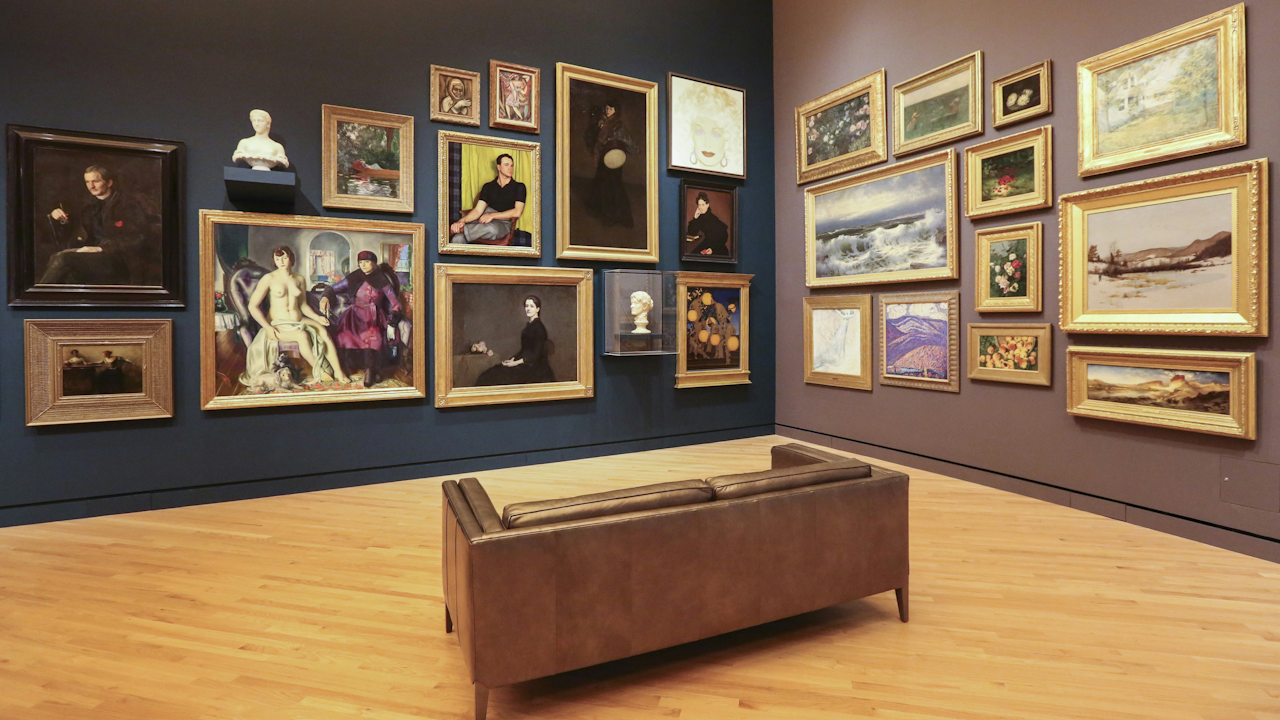
Curating a home gallery transforms personal living spaces into showcases of creativity, memory, and personality. Unlike professional museums with strict protocols, a home gallery offers freedom to blend art, photographs, prints, and objects in ways that reflect individual tastes and lifestyles. This comprehensive guide explores every step of the process, from initial planning to long-term maintenance. Whether you are a seasoned collector or a beginner assembling family photos and affordable prints, these strategies will help you create a cohesive and inspiring display.
Start with vision and planning. Before acquiring or arranging any pieces, define the purpose of your gallery. Ask yourself what emotions or stories you want the space to convey. Is it a serene retreat featuring nature-inspired works, a vibrant conversation starter with bold abstracts, or a nostalgic timeline of family milestones? Consider the room’s function too. A living room gallery might prioritize larger statement pieces, while a hallway could suit a linear arrangement of smaller items. Sketch a rough layout on paper or use a digital tool to map walls, taking measurements of available space, ceiling height, and furniture placement. Factor in traffic flow to avoid displays that obstruct movement or become damaged easily.
Assess your existing collection next. Inventory what you already own, including original artworks, limited-edition prints, posters, photographs, textiles, or small sculptures. Group similar items by theme, color palette, medium, or era. This exercise often reveals gaps, such as a need for contrasting textures or additional vertical pieces. If your collection feels sparse, set a realistic acquisition plan. Visit local art fairs, galleries, or online platforms specializing in emerging artists. Thrift stores and flea markets can yield unexpected treasures at low cost. For those on a budget, digital downloads of public-domain art printed at home or through affordable services offer high-quality options without breaking the bank.
Selecting artworks requires thoughtful curation. Aim for a balance between unity and variety. A unifying element, such as a consistent color scheme or subject matter, prevents chaos, while varied sizes, frames, and mediums add visual interest. For instance, black-and-white photographs paired with colorful oil paintings create dynamic tension. Consider scale carefully. A single oversized canvas can anchor a wall, whereas clusters of smaller works build intimacy. Personal significance matters greatly. Include pieces that evoke memories, such as travel photography or artworks by friends or family members. If investing in originals, research artists whose work resonates and whose value might appreciate over time, though emotional connection should outweigh monetary potential in a home setting.
Thematic approaches enhance cohesion. Popular themes include botanical illustrations for a calming effect, geometric abstracts for modern minimalism, or portrait collections celebrating diversity. Mixing mediums, such as combining framed drawings with three-dimensional objects like ceramic vases or small bronzes, adds depth. Do not overlook negative space. Empty wall areas allow individual pieces to breathe and prevent overcrowding. In smaller rooms, a gallery wall with asymmetrical arrangements can maximize impact without overwhelming the space.
Arranging the gallery is where creativity peaks. The classic salon-style hang, with pieces clustered closely in varied heights, suits eclectic collections and creates an inviting, lived-in feel. For a more formal look, opt for grid formations with uniform spacing and alignment. Measure and mark positions using painter’s tape to visualize before committing to nails or hooks. A common guideline is to hang artworks so their centers sit approximately 57 to 60 inches from the floor, aligning with average eye level. In groupings, maintain consistent spacing of two to four inches between frames for breathing room. Stagger heights thoughtfully, ensuring no piece feels isolated or cramped. For stairwells or long hallways, linear progressions guide the eye naturally through the space.
Lighting plays a crucial role in bringing art to life. Natural light from windows can enhance colors during the day but risks fading sensitive works over time. Position pieces away from direct sunlight when possible, or use UV-protective glass. Artificial lighting options include picture lights mounted above frames, track lighting for flexibility, or recessed ceiling spots angled precisely. LED bulbs with adjustable color temperatures allow you to shift from warm glows for evening ambiance to cooler tones that reveal true hues. Experiment with dimmers to create different moods. Avoid glare by testing light angles during both day and night.
Framing and presentation deserve equal attention to the art itself. Choose frames that complement rather than compete with the artwork. Simple black or white frames work for contemporary pieces, while ornate gold or wood moldings suit traditional oils. Mats provide breathing space and protect against direct contact with glass. Acid-free materials are essential for preservation. For unframed canvases or prints, floating frames or gallery wraps offer clean, modern alternatives. Consider custom framing for valuable or oversized works to ensure perfect fit and professional finish. In some cases, leaving pieces unframed, such as stretched canvases or mounted photographs, creates an artistic, studio-like atmosphere.
Incorporate three-dimensional elements to elevate the gallery beyond flat walls. Shelves or ledges can display sculptures, books with beautiful covers, or rotating collections of smaller objects. Pedestals or side tables accommodate larger statues. Wall-mounted shelves allow layered displays, with smaller items in front of larger backdrops. This approach adds texture and invites closer inspection. In children’s rooms or creative studios, interactive elements like corkboards for rotating drawings keep the space evolving.
Budget considerations influence every decision. High-end galleries are not necessary for stunning results. Allocate funds strategically, perhaps investing more in quality framing and lighting while sourcing art affordably. DIY framing kits and online print services reduce costs significantly. Repurposing vintage frames found at secondhand shops adds character without expense. Track expenses to stay within limits, remembering that the most meaningful galleries often mix high and low elements rather than relying solely on costly acquisitions.
Maintenance ensures longevity and continued enjoyment. Dust frames and glass regularly with soft cloths, avoiding harsh chemicals. Rotate pieces periodically to prevent uneven fading and refresh the visual experience. Monitor environmental conditions, keeping humidity between 40 and 50 percent and temperatures stable to protect paper-based works and canvases. For valuable collections, consider professional conservation advice or insurance tailored to art. Digital inventories with photographs and provenance notes help track your growing gallery over years.
Personal touches make the gallery uniquely yours. Integrate personal artifacts alongside traditional art, such as pressed flowers from memorable trips or handwritten notes from loved ones. Seasonal rotations keep the display fresh, swapping in holiday-themed pieces or summer landscapes as moods shift. Encourage family involvement by dedicating sections for children’s artwork or collaborative projects. In shared living spaces, balance individual preferences through compromise arrangements that honor multiple voices.
Overcoming common challenges strengthens the final result. If a wall feels unbalanced, add or remove pieces until harmony emerges. For renters hesitant to make permanent changes, use removable hooks, leaning displays on mantels, or freestanding screens. Those with limited wall space might explore ceilings, doors, or even gallery-style arrangements inside cabinets with glass doors. Experimentation is key. Take progress photos to evaluate compositions objectively, and do not hesitate to rearrange until the space feels right.
Advanced techniques suit those seeking more sophistication. Create sight lines that draw visitors from room to room with complementary pieces visible across thresholds. Use color theory to guide emotional responses, such as cool blues for tranquility in bedrooms or energetic reds in dining areas. Incorporate mirrors strategically to reflect and amplify light and art. For larger homes, thematic rooms, such as a portrait gallery in the entryway and abstract collection in the study, build narrative flow throughout the residence.
Curating extends beyond aesthetics into lifestyle integration. Host small gatherings where guests can discuss favorite pieces, turning the gallery into a social focal point. Document the evolution with a dedicated notebook or digital album, noting acquisition stories and arrangement changes. This practice deepens appreciation and creates a living archive of personal taste.
In conclusion, building a home gallery is an ongoing journey of self-expression and discovery. It requires patience, vision, and willingness to iterate, but the rewards are profound. A well-curated space not only beautifies your environment but also nurtures creativity, sparks conversations, and provides daily inspiration. Begin small, perhaps with a single wall or corner, and allow the collection to grow organically. With attention to planning, arrangement, lighting, and care, your home gallery will become a true reflection of what matters most to you, evolving gracefully alongside your life and passions.