

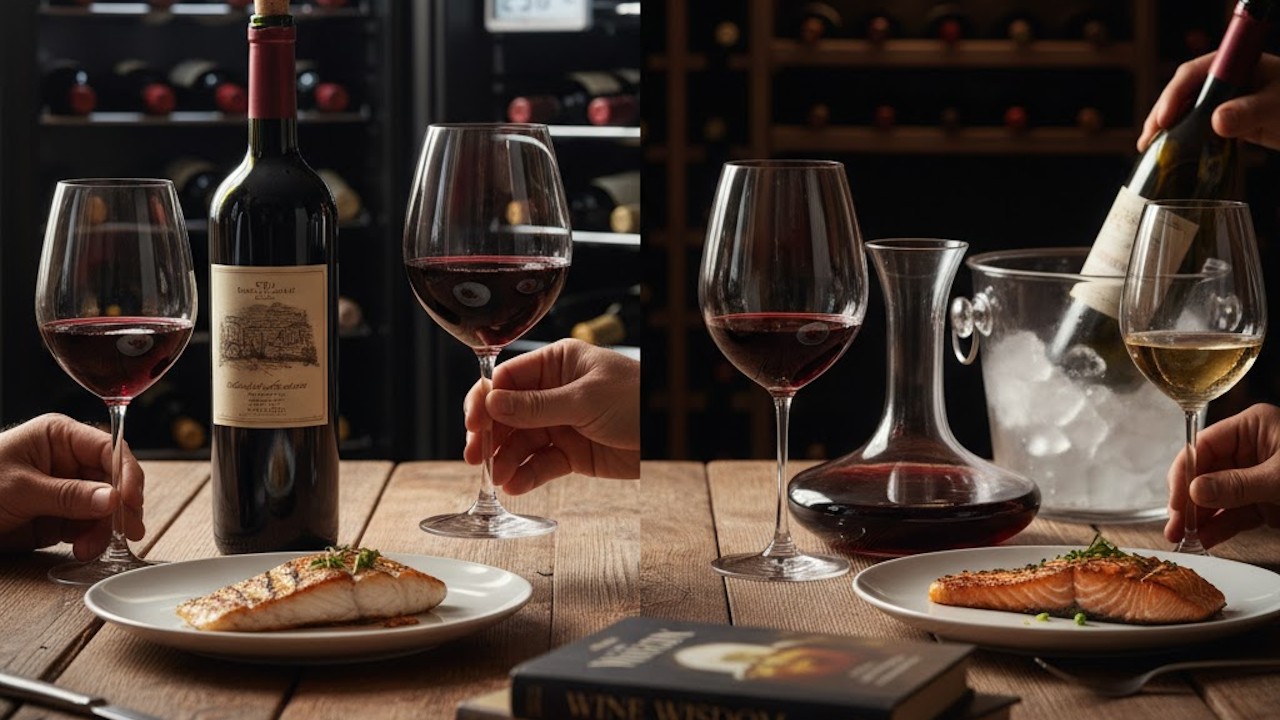
Wine enjoyment should be simple and pleasurable, yet many enthusiasts unknowingly sabotage their experience through common errors. Whether you are a casual drinker or aspiring connoisseur, these mistakes can turn a great bottle into a disappointing one. This comprehensive guide examines frequent pitfalls, explains why they matter, and provides practical fixes to elevate your wine game. By avoiding these errors, you will appreciate wine more fully and get better value from every pour.
Mistake 1: Serving Wine at the Wrong Temperature
Temperature dramatically influences how wine tastes, smells, and feels. Many people serve reds too warm and whites too cold, muting flavors or amplifying unpleasant ones.
Room temperature for reds often means 70 degrees Fahrenheit or higher in modern homes, which makes tannins harsh and alcohol burn more noticeable. Light reds like Pinot Noir or Beaujolais suffer most. Whites pulled straight from the refrigerator taste flat and lack aroma because cold numbs the senses.
The solution is straightforward. Aim for 60 to 65 degrees Fahrenheit for full-bodied reds such as Cabernet Sauvignon or Syrah. Lighter reds work best at 55 to 60 degrees. For whites, 45 to 50 degrees suits crisp varieties like Sauvignon Blanc, while richer Chardonnays shine around 50 to 55 degrees. A quick 15-minute stint in the fridge can cool an overly warm red. For whites, remove them from the refrigerator 10 to 15 minutes before serving. An ice bucket with water works faster than plain ice alone.
Mistake 2: Ignoring Proper Glassware
Using the wrong glass alters the entire tasting experience. A standard tumbler or mismatched set fails to concentrate aromas or direct wine to the right part of the tongue.
Wide-bowled glasses suit bold reds because they allow oxygenation and showcase complex bouquets. Narrower glasses preserve delicate aromas in whites and prevent them from dissipating too quickly. Champagne flutes maintain bubbles longer than coupe glasses.
Invest in versatile stemware if budget is a concern. Universal glasses designed by experts like Riedel or even affordable options from major retailers perform well across many styles. Hold the glass by the stem to avoid warming the wine with your hand. This small habit makes a noticeable difference.
Mistake 3: Failing to Decant or Let Wine Breathe
Many assume decanting is only for sommeliers or old vintages. In reality, most wines benefit from some air exposure. Young, tannic reds often taste tight or closed right after opening. Without aeration, you miss layers of fruit, spice, and earth.
Decanting separates sediment in aged wines and softens harsh tannins in younger ones. Even a simple swirl in the glass helps, but a proper decanter works better for full effect. Pour the wine gently into a decanter and let it sit for 30 minutes to two hours depending on the wine. For whites or delicate reds, shorter times prevent over-oxidation.
If you lack a decanter, pour the wine into a pitcher or simply open the bottle early and let it stand. This practice unlocks potential in bottles that otherwise seem underwhelming.
Mistake 4: Poor Storage Conditions
Storing wine upright in a warm kitchen cabinet or next to the oven ruins many good bottles. Heat accelerates aging and can cook the wine, while fluctuations in temperature cause corks to expand and contract, letting air in.
Ideal storage is cool, dark, and humid. Aim for 55 degrees Fahrenheit with 60 to 70 percent humidity. Bottles should lie on their sides to keep corks moist. A dedicated wine fridge is ideal, but a dark closet away from heat sources works for short-term storage. Avoid refrigerators for long periods because they are too cold and dry.
Buy only what you will drink soon if proper storage is unavailable. This prevents wasted money on spoiled wine.
Mistake 5: Incorrect Corkscrew Technique
Struggling with corks leads to broken pieces in the wine or frustration. The classic waiter’s corkscrew remains the most reliable tool, yet many use it incorrectly.
Insert the spiral fully into the cork, then use the lever arm to ease it out gradually. Avoid yanking straight up. For stubborn corks, a gentle rocking motion helps. Screw caps are increasingly common and require no special tools, but they still benefit from a clean pour.
Keep a backup corkscrew handy and practice on inexpensive bottles. This builds confidence for special occasions.
Mistake 6: Bad Food Pairings
Pairing rules exist for good reason. Heavy tannins in Cabernet clash with delicate fish, making the wine taste metallic and the food fishy. Sweet wines with spicy food can amplify heat uncomfortably.
Learn basic principles rather than rigid rules. Match weight and intensity. Bold reds pair with grilled meats or aged cheeses. Crisp whites complement seafood, salads, and lighter poultry. Sweet wines balance spicy Asian cuisine or blue cheese. Acidity cuts through richness, while tannins need fat and protein.
Experiment boldly. Many classic mismatches work surprisingly well when balanced thoughtfully. Trust your palate over dogma.
Mistake 7: Judging Wine by Price or Label Alone
Expensive does not always mean better. Marketing, scarcity, and prestige often inflate prices without guaranteeing quality. Similarly, attractive labels can mislead.
Focus on trusted producers, regions, and vintages instead. Read reviews from reliable sources but develop your own preferences through tasting. Join wine clubs or attend tastings to explore without high cost. Blind tasting exercises sharpen skills remarkably well.
Value wines from lesser-known regions such as Portugal, Chile, or Eastern Europe often deliver exceptional quality at fair prices. This approach expands your horizons and saves money.
Mistake 8: Swirling, Sniffing, and Tasting Incorrectly
Overly vigorous swirling spills wine and looks pretentious without benefit. Insufficient swirling fails to release aromas. Many gulp wine instead of tasting methodically.
Swirl gently in a circular motion to coat the glass sides. This aerates the wine and reveals its full bouquet. Take short, deliberate sniffs rather than one big inhale. When tasting, let the wine coat your tongue and note initial flavors, mid-palate evolution, and finish.
Practice the formal tasting sequence: sight, swirl, sniff, sip, savor. It sounds formal but quickly becomes natural and enhances appreciation.
Mistake 9: Not Exploring Enough Varieties
Sticking to the same few grapes limits discovery. The wine world offers thousands of varieties, each with unique character. Chardonnay and Cabernet dominate many cellars, yet hidden gems abound.
Branch out to Riesling, Tempranillo, Gamay, or Gruner Veltliner. Try wines from different countries and vintages. Attend festivals or use apps that recommend based on preferences. Diversity prevents boredom and deepens knowledge.
Mistake 10: Overlooking Cork Taint and Other Flaws
Many tolerate musty or vinegary wine because they assume it is normal. Cork taint, caused by TCA, gives wine a wet cardboard smell. Oxidation turns reds brown and flat. Reduction creates rotten egg notes.
Learn to identify common faults. If a wine smells off, it probably is. Return flawed bottles at stores or restaurants. Proper storage and reputable producers reduce these risks.
Additional Tips for Long-Term Improvement
Keep a tasting notebook to record impressions, pairings, and preferences. This builds memory and refines palate over time. Join a local wine group or online community for shared learning. Travel to wine regions when possible for immersive experiences.
Budget wisely by allocating funds for both everyday drinkers and occasional splurges. Understand that palate evolves with exposure, so what you dislike today might become a favorite tomorrow.
Conclusion
Avoiding these common wine mistakes transforms casual sipping into mindful enjoyment. Focus on temperature, glassware, aeration, storage, and open-minded exploration. Wine is meant to bring pleasure, not stress or pretension. With these adjustments, every bottle you open will deliver more satisfaction and value. Start implementing one or two changes today, and notice the difference immediately. Your future self, and your guests, will thank you for it. Cheers to better wine experiences ahead.