

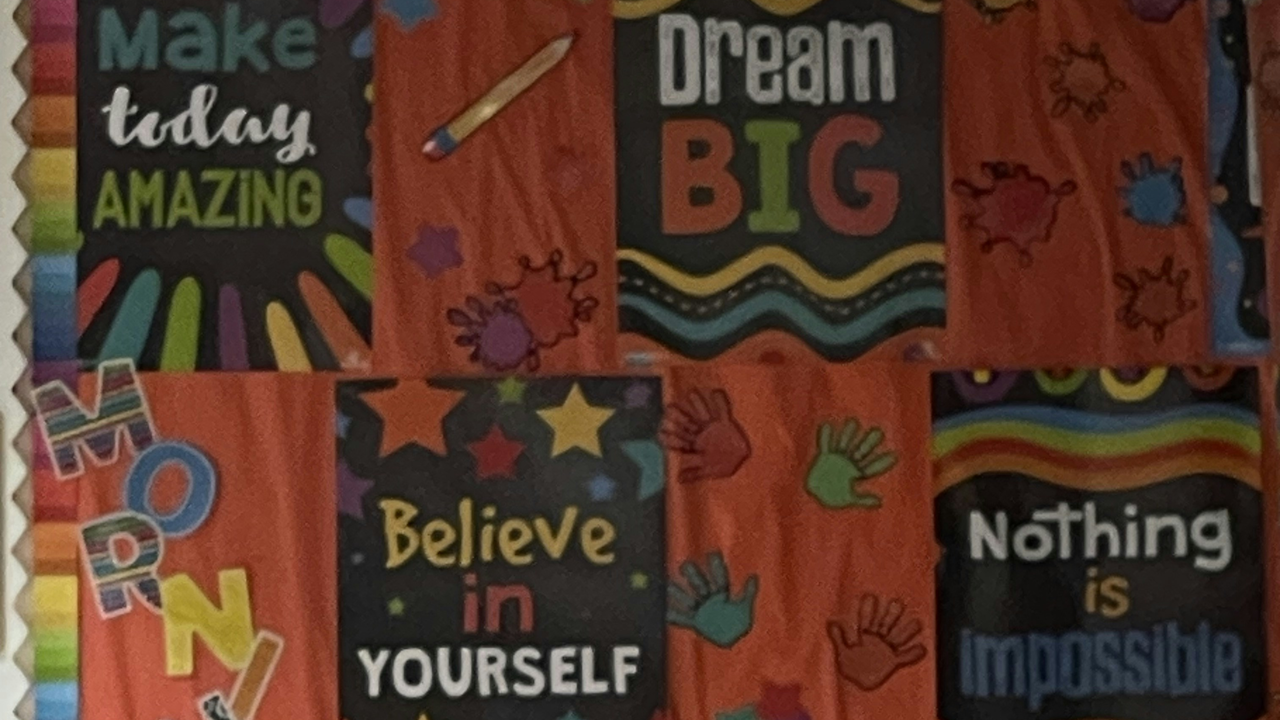
A vision board serves as a powerful visual tool that brings your deepest goals and aspirations to life. It consists of a collection of images, words, and affirmations arranged on a board, either physical or digital, to represent the future you intend to create. Unlike a simple collage or decorative wall art, an effective vision board functions as a daily reminder that aligns your subconscious mind with your conscious actions. When crafted with intention and paired with consistent effort, it can sharpen focus, boost motivation, and open pathways to opportunities you might otherwise overlook.
Many people create vision boards each year only to watch them gather dust without results. The difference between a board that collects cobwebs and one that drives real change lies in clarity, emotional connection, and integration into daily habits. This guide walks you through every detail needed to build a vision board that delivers tangible outcomes. You will learn the underlying principles that make it effective, a precise step-by-step process, ways to sidestep common errors, and practical strategies to keep the momentum going long after the initial creation.
The Science Behind Vision Boards
Vision boards work because they leverage how the human brain processes information and motivation. Visualization activates similar neural pathways as actual experiences. When you repeatedly view images of your desired outcomes, your brain begins to treat those mental pictures as familiar territory. This process engages the reticular activating system, a network in the brainstem that filters incoming information and highlights opportunities matching your focused attention. Suddenly, conversations, articles, or chance encounters related to your goals stand out more clearly.
Psychological research supports this mechanism. Vivid mental rehearsal builds confidence and improves performance in areas ranging from sports to career advancement. By pairing images with positive emotions, you reinforce neural connections that encourage proactive behavior. The board also counters negativity bias, the brain’s tendency to dwell on problems, by flooding your visual field with evidence of possibility. However, science emphasizes one crucial point: visualization alone does not guarantee success. It must combine with deliberate action. Studies show that focusing solely on end results without mapping out the steps can reduce motivation if progress feels distant. The most effective vision boards therefore serve as anchors for both dreaming and doing.
Step-by-Step Guide to Creating Your Vision Board
Follow these steps in sequence to ensure your board resonates deeply and drives results. Set aside at least two uninterrupted hours for the process. Rushing or spreading it over days often dilutes the emotional energy.
Step One: Clarify Your Vision and Goals
Begin with reflection rather than images. Grab a notebook and answer targeted questions. What areas of life matter most right now: career, health, relationships, finances, personal growth, travel, or creativity? For each category, write specific, measurable outcomes you want within the next twelve months. Avoid vague statements such as “get fit.” Instead, note “run a 5K in under thirty minutes by June” or “save twenty thousand dollars for a home down payment.”
Next, identify your core word or theme for the period ahead. Examples include “abundance,” “balance,” or “courage.” This single word acts as a filter for every element you add later. Review your past year honestly. List three wins and three lessons. Use those insights to refine goals so they feel authentic rather than copied from social media trends. Write each goal in present tense as if it has already happened: “I enjoy vibrant health and boundless energy.” This linguistic shift signals your subconscious that the outcome is inevitable.
Step Two: Prepare Your Space and Materials
Choose a quiet, uplifting environment. Play music that elevates your mood or light a candle if it helps you focus. The atmosphere influences the energy you infuse into the board. Decide on format early. A physical board offers tactile satisfaction; use a corkboard, poster board, or canvas between eighteen and twenty-four inches wide. Digital versions created in apps such as Canva or Milanote allow easy updates and portability as phone wallpaper or computer screensavers.
Gather supplies based on your choice. For physical boards collect old magazines, printed photos, scissors, glue sticks, markers, and colorful paper. Include personal snapshots of yourself achieving small wins. For digital boards prepare folders of downloaded images and quotes. Have your goal list nearby so every selection ties directly back to it. Limit yourself to one session to maintain flow and prevent second-guessing.
Step Three: Gather Inspiring Images and Words
Search deliberately rather than randomly. Flip through magazines or browse stock photo sites with your goals in mind. Select images that spark genuine excitement, not merely look nice. If you want a new career, choose pictures of people in that role who radiate confidence rather than generic office scenes. Include words, short phrases, and affirmations printed in bold fonts. Phrases like “I am worthy of success” or “Health flows easily to me” carry power when they feel true.
Aim for emotional resonance over literal accuracy. A photo of an open road might symbolize freedom in travel even if your actual destination involves flights. Mix categories across the board to create balance: one section for career, another for wellness, a third for relationships. Collect roughly twice as many items as you plan to use so you can edit ruthlessly later. Avoid overload; quality matters far more than quantity.
Step Four: Assemble Your Board
Lay out all collected pieces on a flat surface before committing to placement. Arrange them intuitively. Some prefer a central focal image surrounded by supporting elements; others group by life area or create a flowing timeline from left to right. Ensure the layout feels balanced and pleasing to your eye. Leave breathing room between items to prevent clutter, which can scatter mental focus.
Glue or digitally position each piece while repeating your affirmations aloud. Speak them with conviction and visualize yourself living the scene. Add handwritten notes or drawings if they strengthen the message. Include a photo of your current self in a corner to bridge present reality with future vision. Once complete, step back and assess: Does every element evoke positive emotion? Does the whole board feel aligned with your core word? Adjust until it does.
Step Five: Activate and Integrate Your Vision Board
Creation marks only the beginning. Place the board where you will see it multiple times daily: above your desk, on your bedroom wall, or as the lock screen on your devices. Spend five minutes each morning and evening studying it. Close your eyes and mentally walk through each image as if it is your current reality. Feel the emotions: pride, joy, peace.
Pair viewing with action. For every goal, list three immediate steps you can take this week. If your board shows a dream vacation, research flights or open a dedicated savings account today. Track progress in a journal. Celebrate small wins by adding checkmarks or new images that reflect advancement. Review the entire board monthly and update as goals evolve. Remove outdated elements without guilt; flexibility keeps the tool alive.
Common Pitfalls and How to Avoid Them
Even well-intentioned creators encounter obstacles that diminish effectiveness. Recognizing them early prevents frustration.
One frequent error involves vague or conflicting goals. Without specificity your brain receives mixed signals and cannot prioritize opportunities. Counter this by revisiting Step One and refining every item until it passes the “measurable” test.
Another mistake is overcrowding the board with too many images. A cluttered layout overwhelms the mind and dilutes focus. Stick to ten to twenty carefully chosen pieces. Less truly delivers more impact.
Hiding the board defeats its purpose. If it sits in a closet or drawer, your subconscious forgets the vision. Keep it visible and prominent.
Lack of emotional connection renders the board decorative rather than transformative. If an image feels flat, replace it. Only keep elements that stir genuine feeling.
Failing to pair the board with action leads to disappointment. Visualization primes the mind but movement creates momentum. Treat your board as a launchpad, not a magic wand.
Perfectionism stalls many creators. Your board need not look magazine-worthy. Authenticity matters far more than aesthetics. Start imperfectly and refine over time.
Finally, neglecting updates causes stagnation. Life changes; your vision should too. Schedule quarterly reviews to refresh images and goals.
Advanced Tips for Maximum Effectiveness
Elevate your board beyond basics with these proven enhancements. Incorporate color psychology: greens for growth and healing, blues for calm and communication. Use symbols that carry personal meaning, such as a specific flower representing resilience.
Create multiple boards if one feels limiting. One for career, another for personal life, or a portable mini-version for travel. Digital boards shine here because you can rotate them easily.
Add sensory layers. Attach small fabric swatches that represent textures you want to experience, or include essential oil scents associated with success. Some practitioners record voice affirmations and play them while viewing the board.
Set micro-goals tied directly to the board. If health images dominate, commit to one walk daily and note it beside the board. This builds evidence that the process works, reinforcing belief.
Share selectively. Tell a supportive friend about one or two goals pictured on your board. External accountability often accelerates progress without diluting personal power.
Track synchronicities. Keep a log of unexpected events that align with your board. Noticing these “coincidences” strengthens faith and motivates continued use.
Real-Life Examples of Vision Boards in Action
Consider Sarah, a marketing professional who wanted to transition into freelance writing. Her board featured images of laptops on sunny balconies, published articles, and a passport for travel between clients. She included the affirmation “My words create freedom and abundance.” Within eight months she secured three steady clients, doubled her income, and took her first international work trip. The key was daily morning review followed by pitching one article each week.
Another example involves Michael, who focused on health after years of neglect. His board showed vibrant meals, hiking trails, and a confident reflection in the mirror. He added “I choose energy every day.” By combining board viewing with meal-prep routines and gym commitments, he lost forty pounds and completed his first marathon. The visuals kept him motivated during plateaus.
These stories illustrate the pattern: clear intention plus consistent action plus regular engagement equals results. Your board will work the same way when you treat it as a living tool rather than a one-time craft project.
Conclusion
Creating a vision board that actually works requires more than scissors and glue. It demands honest self-reflection, emotional investment, strategic assembly, and unwavering daily commitment. When you follow the steps outlined here and avoid the common pitfalls, your board transforms from a static collage into a dynamic blueprint for the life you desire.
Start today. Clear a space, gather your thoughts, and build the visual map of your future. Then take the first small action toward one goal pictured there. Over time you will watch opportunities appear, confidence grow, and dreams shift into reality. The power lies not in the board itself but in the focused energy you bring to it each day. Your future self is already cheering you on. Give that vision the attention it deserves, and watch how beautifully it unfolds.