

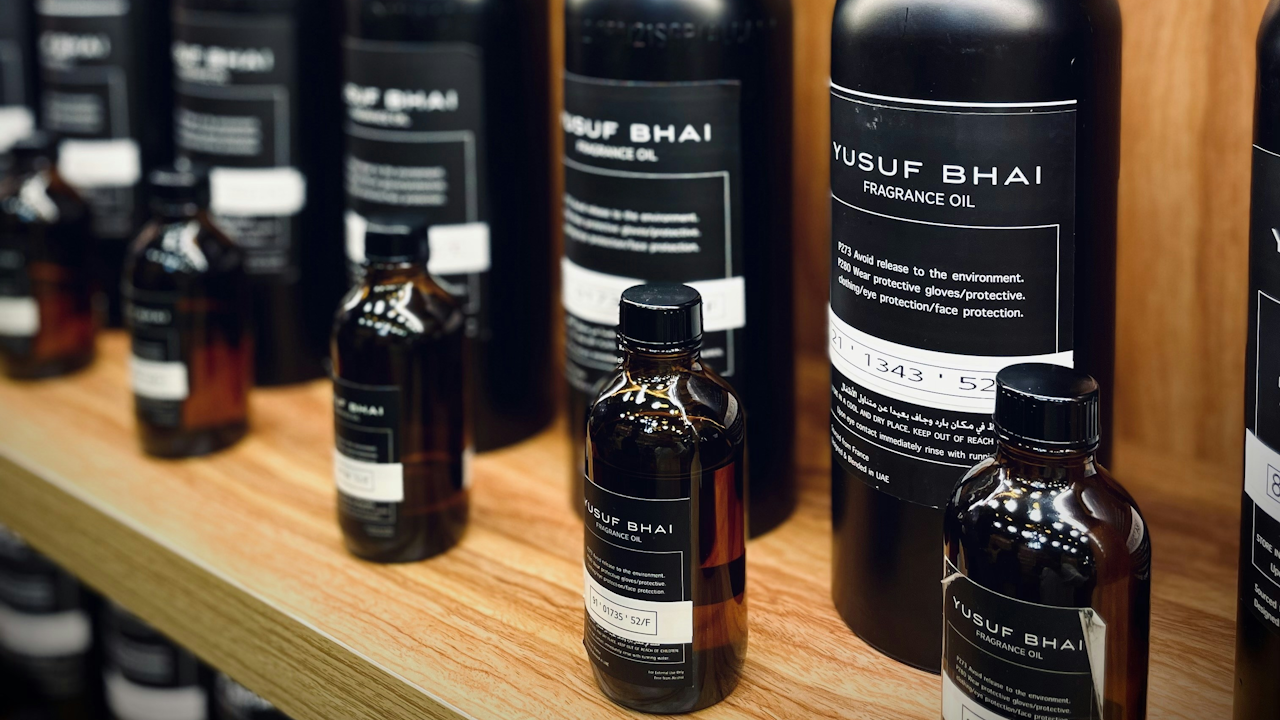
Creating your own signature scent is a deeply personal and rewarding process. A signature scent is more than just a fragrance. It is an olfactory expression of your personality, mood, memories, and style. While commercial perfumes often rely on mass appeal and synthetic ingredients, making one at home allows complete control over the composition using natural essential oils and simple techniques. This approach is cost-effective, customizable, and environmentally conscious. With patience and experimentation, you can craft a unique blend that feels authentically yours.
This comprehensive guide walks you through every stage of the process. Whether you are a complete beginner or have some experience with aromatherapy, you will learn the fundamentals, gather the right supplies, master blending techniques, and refine your creation until it perfectly represents you.
Why Make Your Own Signature Scent?
Mass-produced fragrances often contain synthetic chemicals, phthalates, and fillers that can irritate sensitive skin or trigger allergies. Homemade versions use pure essential oils, which carry therapeutic benefits along with their aromas. You can avoid allergens, adjust intensity to your preference, and create seasonal or mood-specific variations. The process itself is meditative and creative, turning scent crafting into a form of self-care. Many people report feeling more confident wearing a scent they designed themselves because it truly aligns with their identity.
Understanding Fragrance Structure: The Notes Pyramid
Every well-balanced fragrance follows a structure known as the notes pyramid. This concept, used by professional perfumers for centuries, ensures the scent evolves beautifully over time as it interacts with your skin and the air.
- Top notes: These are the first impression. They are light, volatile, and evaporate quickly, usually within 15 to 30 minutes. Common examples include citrus oils like bergamot, lemon, and grapefruit; fresh herbs like peppermint or basil; and light florals like lavender.
- Middle notes (heart notes): These emerge after the top notes fade and form the core character of the scent. They last several hours. Popular choices are floral oils such as rose, jasmine, geranium, and ylang-ylang; spicy options like cinnamon or clove; and green or herbal notes like rosemary or chamomile.
- Base notes: These are the foundation. They are deep, rich, and long-lasting, anchoring the blend and providing staying power. Base notes can linger for hours or even days. Classic base notes include woody oils like sandalwood, cedarwood, and vetiver; resinous ones like frankincense and myrrh; vanilla; patchouli; and musky options like oakmoss or labdanum.
A good rule of thumb for beginners is the 30-50-20 ratio: 30 percent top notes, 50 percent middle notes, and 20 percent base notes. This is flexible. As you gain confidence, you will adjust based on desired intensity and evaporation rates.
Scent Families and Personality Matching
Fragrances generally fall into families that can guide your choices:
- Floral: Romantic, feminine, or elegant. Think rose, jasmine, neroli.
- Citrus: Bright, energetic, uplifting. Lemon, orange, bergamot.
- Woody/Oriental: Warm, mysterious, grounding. Sandalwood, patchouli, vanilla.
- Fresh/Green: Clean, invigorating. Eucalyptus, pine, mint.
- Spicy/Gourmand: Cozy, seductive. Cinnamon, clove, cocoa.
Consider your personality, lifestyle, and the occasions where you will wear the scent. An office worker might prefer something subtle and professional like a light citrus-woody blend. Someone who enjoys evenings out could lean toward a bold floral-oriental. Think about scents that evoke positive memories. The smell of fresh citrus might remind you of childhood summers, while vanilla could bring comfort from baking traditions.
Materials and Equipment Needed
You do not need a professional laboratory. Most supplies are available at health stores, online retailers specializing in aromatherapy, or even some grocery stores.
Essential items:
- High-quality essential oils (therapeutic grade recommended).
- Carrier oils or bases: Jojoba oil, fractionated coconut oil, or perfumer’s alcohol (ethanol) for alcohol-based perfumes.
- Dark glass bottles (roller, spray, or dropper) to protect from light.
- Small glass beakers or mixing bowls.
- Pipettes or droppers for precise measurement.
- Coffee filters or cheesecloth for straining if needed.
- Notebook and pen for recording formulas.
- Labels for dating and naming your blends.
- Optional: Fixatives like vegetable glycerin or orris root powder to improve longevity.
Start with 10 to 15 essential oils across different note categories. Popular starter kits often include lavender, bergamot, frankincense, sandalwood, rose, patchouli, ylang-ylang, lemon, peppermint, and vetiver.
Safety Precautions
Essential oils are highly concentrated. Always dilute them properly. Perform a patch test by mixing one drop of oil with a carrier and applying it to your inner arm. Wait 24 hours to check for reactions. Pregnant individuals, children, and those with medical conditions should consult a healthcare professional before use. Some oils like citrus are photosensitive and should not be applied before sun exposure. Work in a well-ventilated area and keep oils away from eyes and mucous membranes. Store everything out of reach of pets and children.
Step-by-Step Guide to Blending Your Signature Scent
- Prepare your workspace: Clean and organize a quiet area. Have your notebook ready. Work at room temperature because heat can alter scents.
- Choose your theme: Decide on the overall mood. For a calming signature scent, focus on lavender, chamomile, and sandalwood. For an energizing one, use citrus and mint with a woody base.
- Select and measure oils: Begin with base notes first. Add 4 to 8 drops total for a small 5 milliliter batch. Then add middle notes, followed by top notes. Use the 30-50-20 guideline as a starting point.Example beginner blend (approximately 10 milliliters total):
- Base: 4 drops sandalwood + 2 drops patchouli
- Middle: 8 drops lavender + 6 drops geranium
- Top: 5 drops bergamot + 3 drops lemon
- Mix gently: Swirl the bottle or stir with a glass rod. Do not shake vigorously as this can introduce air bubbles and affect the blend.
- Dilute appropriately:
- For perfume (strongest): 15-30 percent essential oils in alcohol or jojoba.
- For eau de toilette: 5-15 percent.
- For body oil or rollerball: 1-5 percent for safe skin application.
- Let it mature: This is called maceration. Store the undiluted blend in a dark place for at least 48 hours, ideally 2 to 6 weeks. The scents meld and develop complexity over time. Smell it daily and note changes.
Testing and Refining Your Creation
After the initial rest period, test on skin. Apply to pulse points (wrists, neck, behind ears) and observe how it evolves throughout the day. Take notes on:
- How quickly top notes fade.
- Whether the heart is too strong or weak.
- Longevity of the base.
- Overall harmony.
Common adjustments:
- If too sharp, add more base notes or a drop of vanilla.
- If too heavy, increase top notes or add a fresh element.
- For better throw (projection), incorporate fixatives or resins.
Create small test batches of 5 milliliters to avoid waste. Many perfumers keep a “scent diary” tracking every formula and iteration.
Sample Recipes to Inspire You
Fresh Morning Signature (energizing, professional):
- Top: Bergamot 10 drops, Grapefruit 5 drops
- Middle: Rosemary 8 drops, Lavender 6 drops
- Base: Cedarwood 4 drops, Frankincense 3 drops
Romantic Evening (floral, sensual):
- Top: Neroli 6 drops, Lemon 4 drops
- Middle: Rose 10 drops, Ylang-ylang 7 drops
- Base: Sandalwood 8 drops, Vanilla 3 drops (use CO2 extract if possible)
Earthy Grounded (woody, unisex):
- Top: Peppermint 5 drops, Basil 4 drops
- Middle: Clary sage 8 drops, Juniper 6 drops
- Base: Vetiver 7 drops, Patchouli 6 drops
Adapt these by scaling proportions or swapping compatible oils. For example, replace rose with jasmine for a different floral character.
Application Methods
- Perfume or cologne: Alcohol-based spray for strong projection.
- Solid perfume: Mix blend with melted beeswax and carrier oil in a small tin.
- Body oil: Blend into jojoba or sweet almond oil for moisturizing fragrance.
- Rollerball: Convenient for on-the-go touch-ups.
- Room spray or linen mist: Dilute heavily in distilled water with a small amount of alcohol or witch hazel.
- Bath salts: Combine with Epsom salts and a carrier for aromatic soaks.
Storage and Longevity Tips
Store all blends in dark glass away from heat, light, and humidity. Well-made natural perfumes typically last 6 months to 2 years. Alcohol-based versions have longer shelf life than oil-based ones. Add a few drops of vitamin E oil as a natural preservative. Label every bottle with the date, ingredients, and ratio.
Troubleshooting Common Issues
- Scent disappears too quickly: Increase base notes or use fixatives.
- Overpowering aroma: Dilute further or balance with neutral oils.
- Separation: Normal in some oil blends. Shake gently before use.
- Skin irritation: Reduce concentration or remove suspect oils.
- Muddy or unbalanced smell: Let it rest longer or start a new batch with adjusted ratios.
Experimentation is key. Professional perfumers sometimes work on a single scent for months or years.
Advanced Techniques for Personalization
Once comfortable with basics, explore layering. Create multiple blends for different body areas or times of day. Incorporate absolutes (highly concentrated floral extracts) for richer heart notes. Study the chemical families of oils. For instance, monoterpenes in citrus provide brightness while sesquiterpenes in woods offer depth.
Consider environmental factors. Humidity affects how scents perform. Dry climates may require more fixative. Seasonal adjustments keep your signature fresh. A lighter citrus version for summer and a warmer vanilla-woody one for winter.
The Joy of a Personal Signature Scent
Your homemade signature scent becomes part of your personal brand. Friends and family will recognize you by it before they see you. The process teaches patience, sensory awareness, and creativity. Over time, you may develop an entire collection of signature variations for different aspects of your life.
Start simple. Gather a few oils, follow the notes structure, and trust your nose. The first blend might not be perfect, but each iteration brings you closer to a fragrance that is uniquely and beautifully yours. Embrace the journey. Scent crafting is as much about self-discovery as it is about the final product.
With practice, you will gain confidence to create complex, sophisticated scents that rival commercial offerings. Most importantly, you will enjoy the freedom and authenticity that comes from wearing something made with your own hands and intuition. Happy blending.