

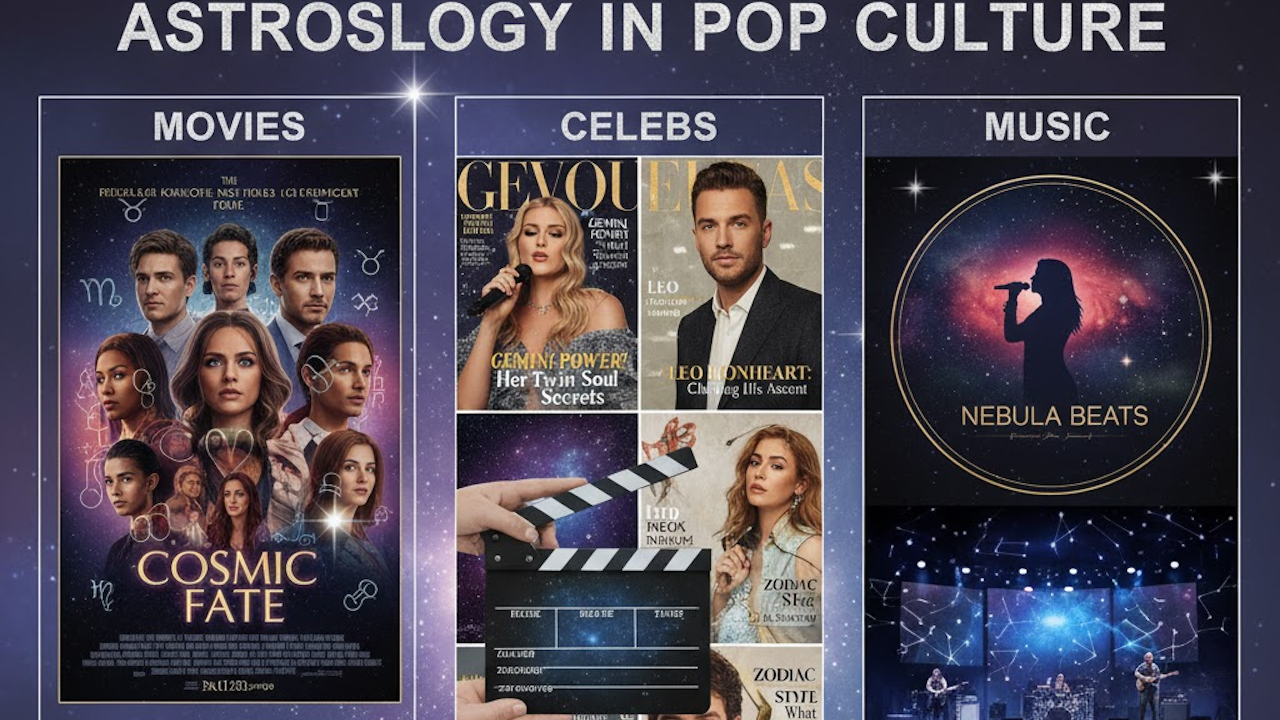
Astrology has woven itself deeply into modern entertainment and celebrity life. What began as an ancient practice of studying celestial movements to interpret human affairs has become a staple of popular culture. Today, zodiac signs, horoscopes, planetary transits, and astrological archetypes appear everywhere from blockbuster films to chart-topping songs and the personal lives of famous personalities. This fascination offers people a sense of meaning, connection, and self-understanding in an often chaotic world. As social media amplifies daily horoscopes and compatibility charts, astrology feels more relevant than ever in shaping narratives, identities, and artistic expressions.
The resurgence of astrology in the 20th and 21st centuries traces back to newspaper horoscope columns that popularized sun-sign astrology. This accessible format made celestial insights part of everyday reading. In times of uncertainty, such as economic shifts or global events, people turn to the stars for guidance. Pop culture reflects and amplifies this interest, turning ancient symbols into relatable tools for storytelling and personal branding. Whether portrayed seriously or playfully, astrology adds layers of fate, personality, and cosmic drama to creative works.
Astrology on the Silver Screen
Movies have long used astrology as a narrative device, plot driver, or atmospheric element. It introduces mystery, destiny, and character depth. From thrillers to romantic comedies, celestial themes highlight how the stars might influence human lives.
One notable example is the 2007 film Zodiac, a thriller based on the real-life serial killer who taunted authorities with cryptic messages. While focused on the investigation, the title and killer’s persona evoke astrological symbolism, tapping into public fascination with zodiac signs and patterns. Other films incorporate astrology more directly into the story. Stardust blends fantasy with celestial elements, exploring how stars and destinies intertwine. The Adjustment Bureau delves into predetermined paths that echo astrological ideas of fate shaped by higher forces.
Romantic comedies have embraced astrology for humor and relatability. The Heavenly Body (1944) features a mix-up between astronomy and astrology, where a character consults an astrologer for romantic guidance. This lighthearted take reflects mid-20th-century interest in the stars. More recent releases like Tarot (2024), What’s Your Sign? (2014), and Five Star Day (2010) center on zodiac themes, compatibility, and the search for meaning through birth charts.
Disney films occasionally nod to zodiac ideas. Bambi includes a character dismissing stars as mere objects, contrasting with mystical interpretations. Sister Act and other stories use zodiac references subtly in character dynamics or set designs. Horror and drama often lean into darker astrological motifs. Films in the “Films about astrology” category on Wikipedia explore divination, curses, and cosmic influences, such as Bloody Birthday or The Curse of the Moon Child.
Astrology also appears in set designs, character consultations with astrologers, and symbolic props. These elements make the mystical feel familiar to audiences. Whether as a central premise or background flavor, astrology enriches cinematic storytelling by suggesting that personal struggles and triumphs connect to larger universal forces.
Celebrities and Their Cosmic Connections
Many celebrities openly embrace astrology, using it for career decisions, relationships, and personal growth. Their endorsements bring mainstream visibility and normalize discussions about sun signs, moon placements, and full birth charts.
Angelina Jolie has consulted astrologers for timing medical procedures, film releases, and major life events like her marriage to Brad Pitt. She has spoken about Gemini traits, noting the multifaceted nature that suits acting. Lady Gaga relies on spiritual advisors, including astrologers, for tour planning and creative decisions. Her interest aligns with her innovative persona and public discussions of planetary influences.
Kendall Jenner and Kylie Jenner frequently reference zodiac signs in interviews and social media. Selena Gomez has described herself as a sensitive Cancer, embracing emotional depth in her music and acting. Madonna explored astrology alongside wellness practices like meditation and crystals, integrating it into her long career. Beyoncé, a Virgo sun with Scorpio moon influences, embodies precision and intensity that fans link to her sign.
Historical figures in entertainment also turned to the stars. Ronald Reagan and his wife Nancy reportedly consulted astrologers for scheduling. Earlier icons like Mae West showed interest in astrological guidance. Modern stars such as Cameron Diaz and others read daily horoscopes or have full charts analyzed.
This celebrity involvement fuels fan engagement. Social media posts about “astrology girlies” or compatibility debates create communities around shared beliefs. Fans analyze artists’ charts to interpret lyrics or public personas, deepening connections. While skeptics view it as entertainment, many celebrities treat it as a serious tool for navigating fame’s pressures.
Zodiac Vibes in Music
Music brims with astrological references. Artists draw on zodiac archetypes for lyrics, album concepts, and personal expression. From classic rock to hip-hop and pop, the stars provide rich metaphorical language.
Beyoncé and Missy Elliott’s “Signs” directly addresses zodiac compatibility. Beyoncé lists signs in sequence, making it a favorite for astrology enthusiasts. Taylor Swift frequently weaves astrological nods into her work. In “State of Grace,” she sings of “twin fire signs,” referencing Sagittarius energy shared with a past partner. “Peace” contrasts fire and water signs, alluding to relational dynamics with a Pisces.
Lady Gaga’s “Venus” celebrates planetary themes central to astrology. Kehlani’s “Water” highlights water signs (Pisces, Scorpio, Cancer) in explorations of intimacy. Ariana Grande and The Weeknd’s “Save Your Tears” includes subtle celestial echoes.
Rap and hip-hop feature strong astrological lyrics. Q-Tip raps about being an Aries in “God Lives Through.” Nicki Minaj declares Sagittarius optimism. Kendrick Lamar references Gemini duality. OutKast’s “Aquemini” plays on Aquarius and Gemini.
Jazz musicians have composed zodiac-inspired works. Mary Lou Williams created a Zodiac Suite with pieces for each sign. John Coltrane and others incorporated astrological concepts into albums and compositions.
Playlists and concept albums build on this tradition. Artists assign songs to signs based on energy matches. SZA has shared astrology-aligned song selections during performances. Bands and albums sometimes take zodiac-themed names or motifs.
These references allow musicians to express personality, love, conflict, and destiny. Fans connect lyrics to their own charts, creating personal soundtracks tied to cosmic timing.
Lasting Impact and Enduring Appeal
Astrology’s presence in movies, celebrity culture, and music highlights its role as a cultural mirror. It provides frameworks for understanding identity, relationships, and timing in high-stakes creative industries. In an era of rapid change and information overload, the stars offer comforting patterns and narratives of purpose.
Critics dismiss it as pseudoscience, yet its integration into pop culture demonstrates psychological and social value. Archetypes of the 12 signs capture human complexities in accessible ways. Whether in a film’s fateful plot twist, a celebrity’s interview revelation, or a song’s poetic reference, astrology invites wonder and introspection.
As new generations discover birth charts via apps and social platforms, this celestial influence shows no signs of fading. Pop culture continues to evolve with it, blending ancient wisdom with contemporary expression. The stars remain a constant source of inspiration, reminding audiences that human stories often feel written in the heavens.