

Choosing a pet is one of the most rewarding decisions you can make, but it also carries long-term responsibilities. The key to a harmonious relationship lies in aligning the animal’s natural behaviors and needs with your own personality traits. When the match works, both you and your pet thrive. You gain companionship, reduced stress, and a daily source of joy, while the animal receives the care and environment it requires to flourish. A mismatch, however, can lead to frustration, neglected pets, or even rehoming. This article explores how to evaluate your personality, match it to suitable pets, and avoid common errors. By the end, you will have a clear framework for finding the perfect four-legged, feathered, or scaled companion.
Start by assessing your core personality traits honestly. Personality is not a rigid label, but a collection of tendencies that influence how you spend your time and energy. Begin with a simple self-reflection exercise. Ask yourself these questions: Do you crave constant interaction or prefer quiet independence? Are you highly active and outdoorsy, or do you enjoy relaxing at home? How patient are you with routines versus spontaneous activities? Do you thrive on structure or adapt easily to change? Are you empathetic and nurturing, or more reserved and low-key?
Consider using established frameworks like the Big Five personality traits for deeper insight. High extraversion suggests you enjoy social stimulation and might prefer outgoing pets. High conscientiousness points to someone who values routine and responsibility, suiting animals that need consistent care. Openness to experience fits those who appreciate novelty and might enjoy unique or interactive species. Agreeableness aligns with nurturing types who bond deeply. Low neuroticism, or emotional stability, works well with pets that have predictable temperaments rather than high-maintenance ones. You do not need a formal test. Journaling your answers for a few days or discussing them with family can reveal patterns. Once you understand these traits, you can compare them against the demands of different pets.
Dogs offer perhaps the widest variety of personality matches because breeds and individuals vary so much. If you score high on extraversion and activity levels, an energetic breed like a Labrador Retriever or Border Collie could be ideal. These dogs match an adventurous spirit with their love for walks, play, and exploration. They thrive on training sessions and family outings, rewarding your outgoing nature with loyalty and enthusiasm. For someone more conscientious and structured, a calm breed such as a Golden Retriever or a Bulldog provides steady companionship without overwhelming chaos. These dogs respond well to predictable schedules and gentle guidance.
Introverted or low-energy individuals often find dogs challenging unless they select a lower-maintenance option. A senior dog or a laid-back breed like a Basset Hound suits a homebody who prefers couch time over hikes. The key is matching energy levels. A high-strung person might clash with a hyperactive dog, leading to mutual stress. Research breed groups thoroughly. Herding dogs need mental stimulation, while sporting dogs excel with active owners. Always factor in size and lifespan. Larger dogs require more space and commitment, which may overwhelm someone who values flexibility.
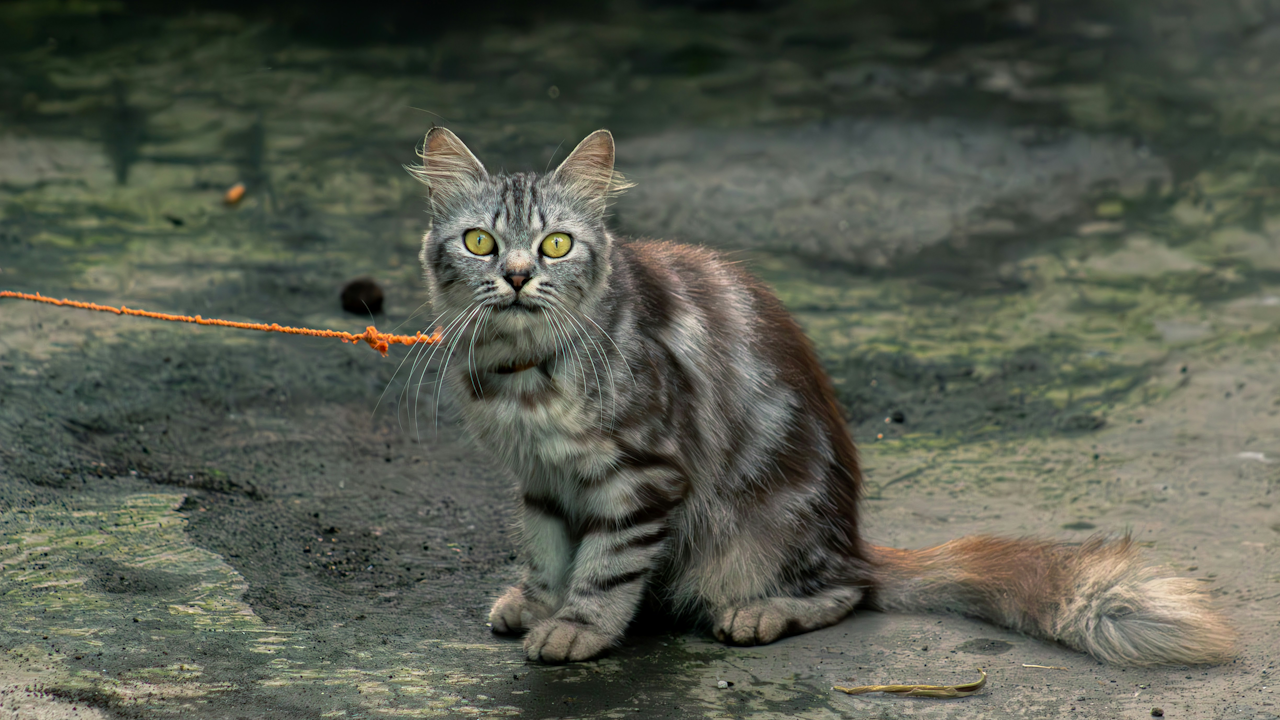
Cats appeal strongly to independent personalities. If you score high on self-reliance and appreciate solitude, a cat can be an excellent fit. Cats are famously autonomous. They set their own schedules, entertain themselves with toys or window views, and offer affection on their terms. This independence complements a busy professional or a creative type who works from home but dislikes constant demands. An affectionate Ragdoll or a playful Siamese might suit someone who is introverted yet enjoys occasional interaction without the intensity of a dog.
For highly agreeable and nurturing people, a cat still works well because many breeds form strong bonds. They respond to quiet routines and gentle handling. However, if you are highly extroverted or need constant engagement, a cat might feel distant. Allergies or space constraints matter less with cats than dogs, but personality alignment remains central. Multiple cats can suit someone who enjoys a lively yet low-effort household, provided you maintain a structured environment to prevent territorial issues.
Birds attract social and communicative personalities. Parrots, cockatiels, or budgies match extroverted owners who enjoy talking, whistling, or training tricks. These birds are intelligent and form deep attachments, often mimicking your voice and seeking interaction throughout the day. If you work from home or have flexible hours, a bird rewards your outgoing nature with entertainment and companionship. Conscientious owners excel here too because birds require daily cleaning, fresh food, and mental stimulation through toys and puzzles.
Introverts may find birds demanding unless they choose quieter species like finches or canaries. These smaller birds provide visual interest and soft sounds without needing hands-on training. Birds live long lives, sometimes decades, so they suit someone who values long-term stability over short-term novelty. Noise tolerance is crucial. A loud African Grey might overwhelm a calm, low-neuroticism person who prefers peace.
Aquarium fish or small aquatic setups suit calm, low-maintenance personalities. If you appreciate routine without emotional demands, fish offer a serene hobby. Watching a colorful betta or a community tank provides relaxation and a sense of accomplishment through water changes and plant care. This option fits busy or emotionally reserved individuals who still want a living presence in their space. High openness personalities enjoy experimenting with aquascaping or rare species.
Fish require minimal daily interaction, making them ideal for those who travel frequently or maintain irregular schedules. However, they demand consistency in lighting and feeding, which appeals to conscientious types. Avoid fish if you crave physical cuddling or active play. The setup also involves initial investment in tanks and equipment, so it rewards planners rather than impulsive personalities.
Reptiles and amphibians appeal to patient, observant individuals who prefer low-interaction pets. Bearded dragons, leopard geckos, or ball pythons match introverted or independent traits beautifully. These animals do not seek constant attention. They bask, explore enclosures quietly, and respond to gentle handling on your schedule. A structured, detail-oriented person thrives on maintaining precise temperature and humidity levels. Reptiles suit those who find joy in learning about exotic care rather than traditional bonding.
High-energy or highly social personalities often grow bored with reptiles because the interaction is limited. If you need a pet that greets you enthusiastically, a snake or lizard may feel too detached. Lifespans vary widely. Some turtles live for decades, so commitment level must align with your stability.
Small mammals like rabbits, guinea pigs, hamsters, or rats offer middle-ground options for nurturing yet flexible owners. Guinea pigs and rabbits suit agreeable, empathetic personalities. They enjoy gentle handling, social play, and form bonds that feel rewarding without the intensity of larger animals. A calm homebody appreciates their quiet chewing and curious nature. Hamsters or gerbils fit solitary or low-energy types who want a contained, easy-to-clean habitat. Rats, surprisingly affectionate, match interactive personalities who enjoy training and shoulder rides.
These pets require daily care but adapt well to apartments. They live shorter lives than dogs or cats, which can suit someone testing the waters of pet ownership or preferring less long-term responsibility. Allergies and space are easier to manage than with larger species. Personality mismatch arises when an active owner selects a nocturnal hamster that sleeps all day, leading to disappointment.
Exotic or specialty pets deserve mention for unique personalities. Hedgehogs or sugar gliders can match adventurous, open-minded owners who enjoy nocturnal routines or specialized diets. However, these require more research and often legal permits. They suit detail-oriented individuals rather than casual pet parents. Always verify local regulations and ethical sourcing before considering them.
Beyond broad personality categories, consider how your traits interact with lifestyle factors. An extroverted person with a demanding job might still need a low-energy pet if evenings are their only free time. A conscientious introvert in a small apartment benefits from cats or fish over large dogs. Emotional stability plays a role too. If you experience anxiety, a predictable pet like a well-trained dog or a calm cat can provide grounding. Impulsive personalities should lean toward adult animals from shelters rather than puppies or kittens that require extensive training.
Age and life stage matter. Young families with high agreeableness might choose family-friendly dogs or guinea pigs that involve children in care. Empty nesters or retirees often select senior pets that match a slower pace. Single professionals with travel-heavy schedules gravitate toward cats, birds, or fish that tolerate alone time.
Research remains essential regardless of personality. Visit shelters, breed-specific rescues, or reputable breeders. Spend time observing animals in person. Ask questions about temperament, energy, and health history. Many organizations offer temperament assessments or trial periods. Consult veterinarians or trainers for breed-specific advice. Online resources from organizations like the American Kennel Club or ASPCA provide reliable profiles, but personal interaction confirms the fit.
Budget and practicalities influence the decision indirectly through personality alignment. High-maintenance pets like certain dogs or birds suit those who derive satisfaction from routines. Low-cost options like fish appeal to practical minds. Factor in veterinary care, food, grooming, and potential emergencies. A nurturing personality willingly invests in these, while a more detached one might prefer self-sufficient species.
Common pitfalls can derail even the best intentions. Choosing based solely on appearance ignores personality mismatches. A cute puppy may grow into an energetic adult that overwhelms a low-activity owner. Impulse adoption during emotional highs often leads to regret. Ignoring allergies, landlord restrictions, or family dynamics creates stress. Another error involves underestimating lifespan. A pet chosen during a busy phase may outlive that phase, requiring adjustments.
To avoid these, create a decision matrix. List your top three personality traits, then score potential pets on compatibility, care needs, and lifestyle fit. Rate each from one to ten. Discuss with household members if applicable. Consider fostering first. Many shelters allow short-term fostering, giving you a real-world test without permanent commitment.
The right pet enhances your life in profound ways. An active dog encourages exercise and social connections for an extrovert. A serene cat offers quiet comfort for an introvert. A chatty bird sparks creativity and laughter for a communicator. When personalities align, the bond deepens naturally. You learn patience, responsibility, and unconditional acceptance. The animal gains security and fulfillment.
In conclusion, selecting a pet based on personality is an investment in mutual happiness. Take time for honest self-assessment. Explore options thoughtfully. Match energy, independence, and interaction styles carefully. With this approach, you build a relationship that lasts for years and enriches daily life. The perfect pet is out there waiting to reflect the best parts of who you are. Start your search today with clarity and confidence, and prepare for a companionship that feels tailor-made.