

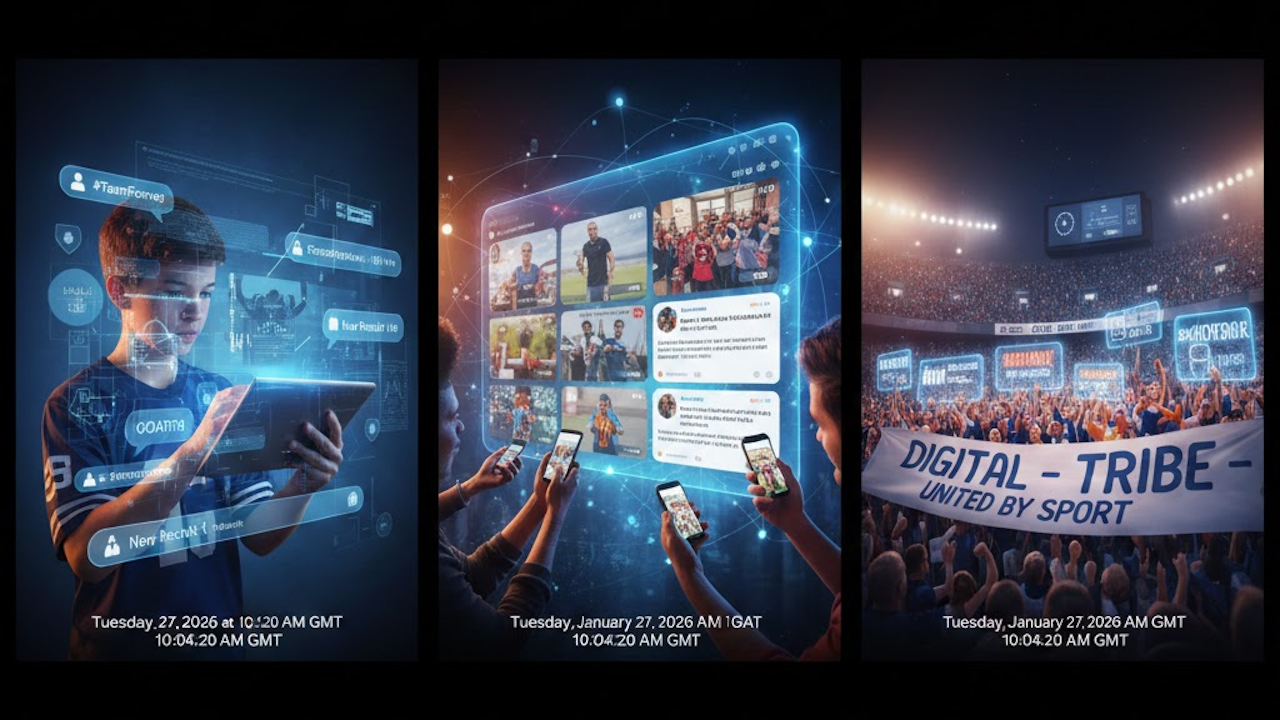
Social media has fundamentally transformed the relationship between sports fans and their favorite teams. What was once rooted in local geography, family traditions, or occasional television broadcasts has evolved into a constant, interactive, and highly personalized experience. Platforms like X (formerly Twitter), Instagram, TikTok, Facebook, and YouTube now serve as primary arenas where loyalty is built, tested, and sometimes fractured. This article explores the multifaceted ways social media influences team loyalty, drawing on mechanisms of engagement, psychological factors, positive reinforcements, challenges, and future implications.
The Evolution of Fan Loyalty in the Digital Age
Historically, sports team loyalty developed through physical presence and limited media exposure. Fans attended games, read newspapers, or watched matches on television, forming bonds tied to community identity and shared rituals. Loyalty was often intergenerational and geographically anchored: supporting the local club was a matter of civic pride.
Social media changed this dynamic dramatically. Fans now maintain connections year-round, regardless of location. Satellite fans, those following teams from afar, use platforms to stay updated with news, highlights, and behind-the-scenes content. Studies informed by uses and gratifications theory show that personal, social, and tension-release benefits from social networking sites drive customer engagement behaviors, which in turn strengthen sports team brand equity.
Engagement is no longer passive. Fans consume content, contribute comments and shares, and even create their own media such as fan videos or memes. This active participation fosters deeper emotional investment. Research on online brand communities highlights how involvement leads to brand attachment and ultimately perceived brand equity for sports teams.
Mechanisms: How Platforms Build and Sustain Loyalty
Social media operates through several key mechanisms that shape loyalty:
- Constant Connectivity and Real-Time Interaction: Teams post live updates, player interviews, training footage, and match reactions. This creates a sense of closeness. Fans feel part of the inner circle rather than distant spectators. For example, interactive features like polls, Q&A sessions, and fan voting initiatives, as seen in NBA programs, convert transactional interactions into emotional loyalty.
- Community Building and Shared Identity: Platforms host virtual communities where fans from around the world connect. Hashtags, group chats, and fan accounts reinforce collective identity. Online brand communities enhance involvement, leading to stronger attachment. Self-congruity, or how well a fan sees themselves aligning with the team’s image, moderates these effects.
- Player-Centric Content and Fluid Allegiances: While teams still drive overall fandom for many demographics, younger audiences (Gen Z in particular) often connect first through individual athletes. Social media amplifies player personalities, turning them into cultural icons. A fan might initially follow a star player and gradually develop loyalty to the team. However, transfers can shift allegiances, especially among younger fans.
- Algorithmic Amplification: Algorithms prioritize emotionally charged, controversial, or relatable content. This keeps fans scrolling and engaging but can also intensify rivalries. Viral moments, highlight reels with on-screen text, and short-form videos on TikTok and Instagram Reels drive massive reach, often to non-followers.
Teams that excel at authentic, humorous, or creative content see higher engagement rates and follower growth. Examples include NFL teams like the Buffalo Bills and Philadelphia Eagles, which leverage player buy-in for engaging posts that humanize the brand.
Positive Impacts on Loyalty
Social media has democratized and globalized fandom in beneficial ways. It sustains interest during off-seasons, builds international fanbases, and provides accessible entry points for casual viewers. Fantasy leagues and interactive apps gamify following, drawing in new fans who may develop deeper loyalties over time.
Engagement metrics translate to real value. In the NFL alone, social media activity during a regular season generated substantial media value through impressions and interactions. Creative content boosts organic growth and revenue opportunities.
For fans, social media offers social connection. Watching and discussing matches virtually or in person reduces loneliness and enhances well-being through shared experiences. Fandom becomes a vehicle for friendships and community, even across distances.
Athlete activism and social causes amplified on platforms can inspire fans, fostering loyalty through shared values. Many fans view such efforts positively and reward associated brands.
Challenges and Negative Effects
Despite the benefits, social media introduces complexities that can undermine loyalty. Echo chambers and polarized discourse are common. Algorithms favor divisive content, turning fandom into identity battles where defeating rival fans matters more than enjoying the sport. This can lead to toxicity, online abuse, and heightened tribalism.
Misinformation spreads rapidly, influencing perceptions of team performance or player character. Constant exposure can heighten frustration during losses or controversies, potentially eroding loyalty if not managed well.
Younger fans exhibit more fluid loyalties tied to players rather than teams, which challenges long-term institutional allegiance. Over-reliance on digital consumption might diminish the value of live attendance for some.
Abuse directed at players or fans creates vicious cycles, where victims sometimes become perpetrators. This affects mental health and can lead to self-censorship among journalists and fans.
Data and Real-World Examples
Empirical evidence underscores these shifts. A National Research Group study of thousands of fans found teams still primarily drive fandom, but generational differences are stark. Older fans cite team allegiance strongly, while Gen Z is more athlete-driven.
Specific teams demonstrate success: Inter Miami and various California franchises generate enormous media value through social channels. WNBA teams like the Indiana Fever have seen explosive follower growth tied to star players.
Research on football fans shows positive links between social media usage, involvement, team identification, and both attitudinal and behavioral loyalty.
Strategies for Teams and Fans
Teams should prioritize authenticity, responsiveness, and multi-platform strategies tailored to each site’s strengths. TikTok favors fun, short content; X suits real-time updates; Instagram builds visual communities. Investing in player participation and user-generated content campaigns yields strong returns.
Fans can cultivate healthier habits by seeking diverse sources, engaging mindfully, and balancing online interaction with real-world experiences. Critical media literacy helps navigate algorithms and echo chambers.
The Future of Loyalty in a Connected World
Social media will continue evolving fandom through emerging technologies like AI-personalized content, enhanced virtual realities, and deeper integration with streaming. Loyalty may become more dynamic and multifaceted, blending team, player, and community elements.
Ultimately, while platforms reshape how loyalty forms and persists, core human elements, passion, community, and identity, remain central. Social media amplifies these but does not replace the fundamental thrill of sports. Teams and fans who navigate the digital landscape thoughtfully will forge the strongest, most enduring connections in this new era.
The interplay between social media and sports team loyalty is complex and ongoing. As platforms innovate and audiences adapt, the sports industry must balance engagement opportunities with the risks of polarization and superficiality. For fans, the digital tools offer unprecedented access and community, provided they are used with awareness and balance. This transformation enriches the sports experience for millions worldwide, redefining what it means to be loyal in the 21st century.