

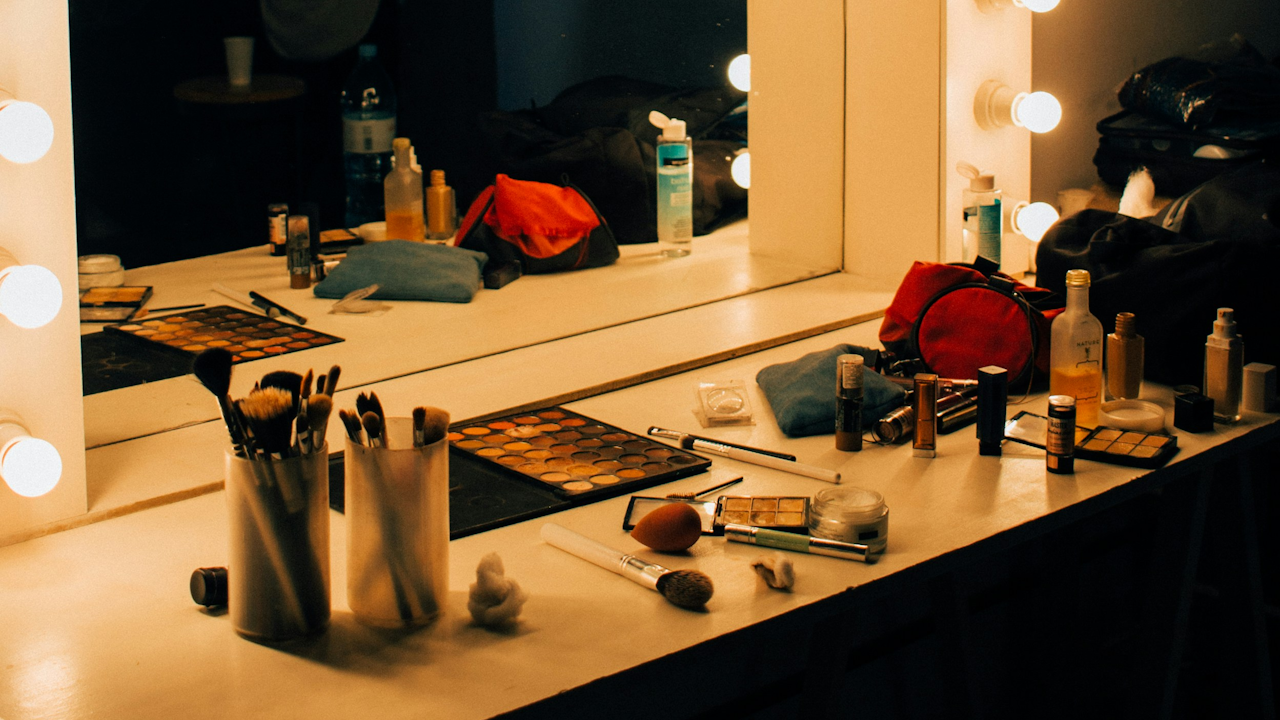
Lighting plays a fundamental role in how your makeup appears to both you and others. What looks flawless in your bathroom mirror under a single overhead bulb can appear completely different in natural daylight or under the warm glow of restaurant lighting. Understanding these variations empowers you to create a makeup look that translates beautifully across environments. This comprehensive guide explores the science behind lighting and makeup, practical adjustments you can make, and expert strategies to ensure your beauty routine accounts for real-world conditions.
The Science of Light and Makeup Perception
Light interacts with your skin, pigments, and textures in complex ways. Makeup products contain pigments that reflect specific wavelengths of light, creating the colors and effects you see. Different light sources emit varying color temperatures, measured in Kelvin. Warm lights (lower Kelvin, around 2700K) have a yellowish tone, while cool lights (higher Kelvin, around 5000K or more) appear bluish-white.
Your skin tone, undertones, and the formulation of your products all influence how light bounces off them. Matte finishes absorb light, creating a softer appearance, while shimmery or dewy products reflect it, adding dimension that can either enhance or overwhelm depending on the setting. Harsh lighting accentuates texture, fine lines, and imperfections, whereas diffused light softens them. Ignoring these principles often leads to makeup that looks heavy, patchy, or mismatched once you step into different environments.
Natural Daylight: The Gold Standard for Application
Natural daylight provides the most accurate representation of how your makeup will look throughout the day. Position yourself near a window during application for the best results. This light reveals true colors without the distortions of artificial sources.
In daylight, cool-toned foundations and concealers appear more neutral, making it easier to match your skin perfectly. Blushes and bronzers show their real vibrancy, helping you avoid over-application. Eyeshadows and highlighters display accurate shimmer levels. Many professional makeup artists insist on natural light because it exposes any patchiness or oxidation that might occur later.
However, direct sunlight can be harsh. Harsh midday sun creates strong shadows and highlights every pore or imperfection. For outdoor events, opt for sheer, buildable formulas and set your makeup thoroughly with translucent powder to minimize shine. If you apply makeup in soft morning or late afternoon light, the results often translate seamlessly to indoor settings.
Artificial Lighting Variations
Most people apply makeup under artificial lights, and the type matters significantly.
Incandescent Bulbs These traditional warm lights, common in older homes, cast a yellowish glow. They can make cool-toned makeup appear warmer and flatter complexions. Skin looks softer and more forgiving, which might tempt you to apply less product. However, this light can wash out bold colors, making lips and eyes seem muted. To compensate, choose slightly deeper shades for lips and eyes. Avoid overly yellow-based foundations, as they may appear orange under this lighting.
Fluorescent Lighting Office and retail fluorescent lights are notoriously unflattering. Often cool and harsh, they emphasize green and blue undertones, which can make skin appear sallow or tired. Shadows become more pronounced, highlighting under-eye circles and fine lines. Many people over-apply concealer in these conditions, only to look cakey later.
To counter fluorescent effects, incorporate warm-toned products. A touch of peach or golden corrector under the eyes neutralizes blueness. Opt for cream blushes over powders for a natural flush that holds up better. Set everything well to avoid the dreaded flashback from SPF or certain powders that turn white or purple under UV-heavy fluorescents.
LED and Modern Energy-Efficient Lights LED lights dominate modern spaces with their bright, cool-to-neutral output. They reveal details sharply, which is great for precision but unforgiving on skin texture. Highlighters and metallic shadows pop dramatically, sometimes excessively. Foundations must be perfectly matched, as any mismatch shows clearly.
For LED environments, balance your look with a mix of matte and luminous elements. Use a finely milled setting powder to blur pores without over-drying. Choose multidimensional highlighters rather than intense ones to prevent a shiny, artificial appearance.
Candlelight and Dim Ambient Lighting Evening settings like restaurants or parties feature warm, low lighting. This softens everything beautifully but can make features disappear if your makeup lacks definition. Build intensity in the eyes and lips. Cream and liquid formulas with light-reflecting particles perform well here, creating a natural glow. Avoid flat matte lips, which can look dull. A subtle highlight on the high points of the face catches the light elegantly without looking overdone.
Color Temperature and Its Impact
Warm lighting enhances golden and peach undertones while softening cooler shades. Cool lighting does the opposite, making warm tones appear muddy and cool tones crisp. This explains why the same eyeshadow palette looks different at home versus at the office.
Test products in multiple lights before purchasing. Many beauty stores now offer daylight-simulating mirrors. When selecting foundation, swatch on your jawline and check in natural light. For eyeshadows, apply a small amount and view under different bulbs.
Undertones matter enormously. Cool undertones (pink, red, blue) pair best with neutral or cool lighting adjustments. Warm undertones (yellow, golden) thrive in warmer environments. Neutral undertones offer versatility but still benefit from strategic adjustments.
Adapting Makeup Techniques for Lighting Conditions
Foundation and Skin Preparation Choose foundations with appropriate coverage and finish. For variable lighting days, a medium-coverage formula with a natural finish works best. Apply in thin layers and blend thoroughly. Use color correctors targeted to your concerns: green for redness, peach for dark circles, lavender for sallowness.
In harsh lighting, prioritize skin-like textures. Hydrated skin reflects light better than dry skin. A good primer evens texture and extends wear. In soft lighting, you can experiment with more luminous bases.
Concealer and Correcting Apply concealer sparingly. Harsh lights demand excellent blending. Use a damp sponge for seamless results. In low light, focus on brightening key areas like the inner corners of the eyes and center of the face.
Blush, Bronzer, and Contour Natural light reveals placement perfectly. In artificial light, build gradually. Warm lighting benefits from cooler blush tones to add freshness. Cool lighting calls for warmer peaches and corals to counteract dullness.
Contour subtly. Over-contouring becomes obvious and mask-like under bright lights. Use cream products for a more natural diffusion.
Eyeshadow and Brows Build dimension with multiple shades. Matte shades create depth in bright lights, while shimmers add interest in dimmer settings. Define brows according to the lighting. Strong lighting requires precise, natural-looking brows. Low light allows slightly bolder definition.
Lips and Lashes Lip color shifts dramatically. Test in the lighting where you will wear it most. Matte formulas can look flat in dim light, while glossy ones add life. Lashes benefit from waterproof mascara in variable conditions to prevent smudging.
Highlighter and Setting Strategic highlighting catches light beautifully but requires restraint. In strong overhead lighting, avoid heavy application on the nose or forehead where shine concentrates. Baking or heavy powdering works for photography but can look dry in person. Use a light hand with setting spray for a flexible, natural finish.
Common Pitfalls and How to Avoid Them
One frequent mistake is relying solely on your bathroom lighting for application. Invest in a portable mirror with multiple light settings or simply move to a window periodically during your routine.
Another issue is product oxidation. Some foundations darken over time, especially in warm conditions. Choose stable formulas and set with powder if needed.
Flash photography introduces another challenge. Certain powders and SPF ingredients cause white cast or flashback. Mineral-based products sometimes exacerbate this. Test with your phone camera flash before important events.
Seasonal changes affect lighting too. Winter’s shorter days and indoor-heavy lifestyles require different considerations than summer’s abundant natural light.
Professional Tips for Consistent Results
Professional makeup artists use ring lights or daylight bulbs for application, then check in various conditions. You can replicate this at home with affordable tools. A three-way mirror or adjustable vanity light helps immensely.
Build a versatile makeup kit. Include both warm and cool tone options for key products. Travel-sized setting sprays and blotting papers address shine on the go.
Practice in the actual environments you frequent. Apply makeup, then step outside or into different rooms to evaluate and adjust.
Consider your lifestyle. Office workers might prioritize fluorescent-resistant looks, while those in creative fields can embrace more dramatic effects.
Makeup for Special Occasions and Photography
Weddings, photoshoots, and events demand special attention. Photography lighting is often bright and direct. Use more coverage and set thoroughly. Matte and satin finishes photograph better than extreme dews. Coordinate with your photographer about lighting conditions.
For video calls, which have become routine, position your light source in front of you, slightly above eye level. Soft ring lights or lamps create flattering illumination. Adjust makeup to account for camera processing, which can desaturate colors.
The Future of Lighting-Aware Beauty
Advancements in makeup technology address lighting challenges. Color-changing pigments, light-diffusing particles, and adaptive formulas respond better across environments. Apps that simulate different lighting conditions help with virtual try-ons.
Ultimately, the most important principle is balance and awareness. No single look works perfectly everywhere, but thoughtful application considering light sources creates confidence and authenticity.
Mastering how lighting affects your makeup elevates your entire beauty routine. You will spend less time touching up and more time feeling assured in your appearance. Experimentation and observation become your best tools. Next time you apply makeup, take a moment to consider not just the products but the light that will interact with them. Your reflection in any setting will thank you for it.
By understanding these dynamics, anyone can achieve makeup that looks intentional and polished no matter the time of day or location. The key lies in preparation, flexibility, and a willingness to adapt your techniques to the lighting around you.