

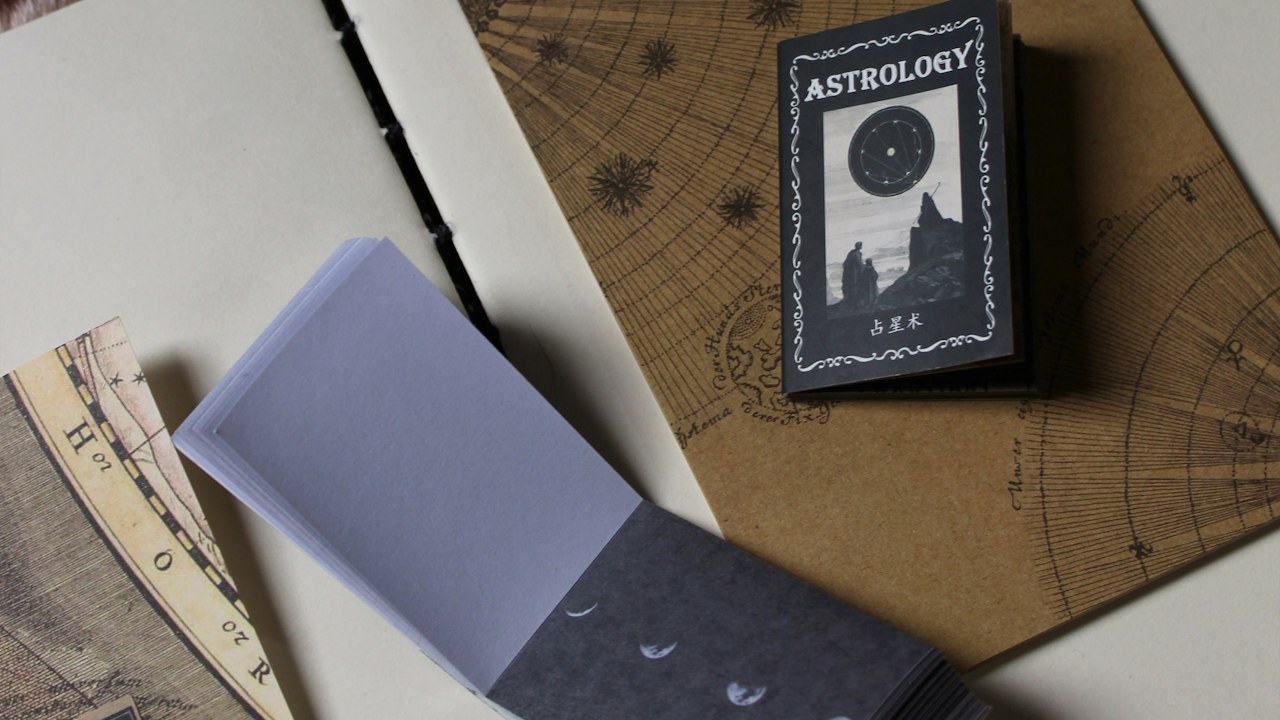
Journaling with the moon phases is a practice that combines self reflection writing and the natural rhythms of the lunar cycle. Many people find that syncing their journaling habits with the moons changing appearance helps them set intentions release what no longer serves them and cultivate personal growth. This method draws on ancient traditions where cultures tracked the moon for planting harvesting and spiritual rituals. In modern times it offers a structured yet flexible way to deepen your connection to yourself and the world around you.
The lunar cycle lasts about 29.5 days and consists of eight main phases. Each phase carries its own energy and symbolism. By aligning your journaling sessions with these phases you create a monthly framework that encourages consistency without feeling rigid. Whether you are new to journaling or an experienced writer this approach can transform your practice into something more meaningful and attuned to natural cycles.
Understanding the Moon Phases
Before diving into the journaling methods it is important to know the basics of the moon phases. The moon does not actually change shape. Instead the portion illuminated by the sun as seen from Earth varies as the moon orbits our planet.
The cycle begins with the New Moon when the moon is positioned between the Earth and the Sun making it invisible in the night sky. This phase symbolizes new beginnings and fresh starts. As the moon moves eastward in its orbit a thin sliver becomes visible marking the Waxing Crescent phase. The term waxing means growing or increasing.
Next comes the First Quarter when half of the moon is illuminated. This is a time of action and decision making. The Waxing Gibbous phase follows with more than half but not fully illuminated showing continued growth toward fullness. The Full Moon arrives when the entire face is lit up representing culmination clarity and heightened emotions.
After the peak the moon begins waning or decreasing. The Waning Gibbous phase shows a shrinking illumination. The Last Quarter or Third Quarter brings another half illuminated moon but on the opposite side signaling a time for release and adjustment. Finally the Waning Crescent appears as a thin sliver before fading back into the New Moon.
You can track these phases using a lunar calendar app a physical almanac or by simply observing the sky. Consistency in noting the current phase helps anchor your journaling routine.
The Benefits of Moon Phase Journaling
Journaling with the moon phases offers several advantages. It provides a natural rhythm that mirrors life cycles of planting growing harvesting and resting. This can reduce feelings of overwhelm by breaking the month into manageable segments.
Many practitioners report improved emotional awareness. The Full Moon for instance often amplifies feelings making it ideal for processing intense emotions. The New Moon supports quiet introspection for goal setting. Over time this practice fosters mindfulness gratitude and a deeper sense of alignment with nature.
It also encourages accountability. Knowing that each phase invites specific types of reflection helps maintain momentum. For those dealing with stress anxiety or creative blocks the lunar framework acts as a gentle guide. Additionally it connects you to seasonal and astrological influences if you choose to incorporate them though the core practice remains accessible to everyone regardless of belief systems.
Getting Started With Moon Phase Journaling
To begin you need minimal supplies. A dedicated notebook works well whether it is a simple blank journal or one with prompts. Some prefer digital apps but many find the tactile experience of pen and paper more grounding. Choose a format that feels comfortable and sustainable.
Select a consistent time for your sessions. Some journal at night under the moon while others prefer morning reflections. Start by noting the current moon phase and date at the top of each entry. Include observations about the sky your mood and any relevant events.
Set an intention for your overall practice. Perhaps you want to focus on career growth relationships or personal healing. Over multiple cycles you will notice patterns emerging which can provide valuable insights.
Prepare your space. Light a candle play soft music or sit near a window. The goal is to create a ritual that signals to your mind it is time for reflection. Keep your journal private to encourage honest writing without self censorship.
Now let us explore each phase in detail with specific journaling strategies and prompt ideas. Aim to journal at least a few times during each phase adjusting based on your schedule.
New Moon Journaling Setting Intentions
The New Moon is a time of darkness and potential. It is perfect for planting seeds of intention. During this phase the sky is dark inviting you to turn inward and dream about what you want to manifest in the coming cycle.
Focus your journaling on future oriented thoughts. Avoid dwelling on past regrets. Instead write about possibilities. Begin with a gratitude list for the previous cycle then move into goal setting.
Sample prompts for the New Moon include What do I want to bring into my life during this lunar month What small steps can I take toward my biggest dreams How can I create more space for joy and creativity What habits no longer align with my future self
Write freely without judgment. Some people make vision boards alongside their entries or list actionable tasks. Keep it realistic. The New Moon energy supports fresh starts so use this window to commit to one or two meaningful changes.
Waxing Crescent Building Momentum
As the moon begins to grow visible your journaling shifts toward action and planning. The Waxing Crescent phase is about nurturing those New Moon intentions and building momentum.
Reflect on the progress you have made since the New Moon even if it feels small. Celebrate tiny wins to maintain motivation. This phase encourages detailed planning.
Useful prompts include What resources or support do I need to move forward How does my body feel as I take these steps What obstacles might arise and how can I prepare In what ways am I already growing
Incorporate affirmations or positive statements. For example write I am capable of achieving my goals and list evidence from your life. This phase is ideal for breaking down large goals into daily or weekly tasks.
First Quarter Taking Action
The First Quarter Moon marks a point of decision and forward movement. Half illuminated it symbolizes balance between the seen and unseen. Journaling here focuses on commitment and problem solving.
Review your intentions and assess what is working. Make adjustments as needed. This is a proactive phase where you push through resistance.
Prompts to try What actions am I taking right now to honor my intentions Where do I need to set firmer boundaries How can I maintain balance between effort and rest What am I learning about myself through these experiences
Write about challenges honestly. The First Quarter energy supports courage so use your journal to brainstorm solutions and affirm your resilience.
Waxing Gibbous Refining and Expanding
In the Waxing Gibbous phase the moon is nearly full building anticipation. Your journaling should refine your approach and expand your perspective. Look for signs of growth and adjust your path.
This is a good time for deeper analysis. Review earlier entries from the cycle and note patterns or synchronicities.
Prompt ideas What adjustments can I make to better align with my goals How has my perspective shifted since the New Moon What new opportunities are appearing In what areas am I ready to expand or take bigger risks
Express excitement and curiosity. The Waxing Gibbous invites optimism so document moments of gratitude and insight that fuel your journey.
Full Moon Celebration and Illumination
The Full Moon is the peak of the cycle a time of culmination clarity and heightened intuition. Emotions may run strong making it potent for reflection and release.
Journaling during the Full Moon often feels powerful. Celebrate achievements and acknowledge what has manifested. Also release what is ready to go.
Effective prompts include What has come to fruition in this cycle What emotions are surfacing and what do they reveal What am I ready to let go of with gratitude How can I celebrate my progress
Some people perform a simple ritual like writing limiting beliefs on paper and safely burning them after journaling. Read your entries aloud if it feels right. The illumination of the Full Moon supports truth seeking so be honest in your writing.
Waning Gibbous Sharing and Gratitude
After the peak the Waning Gibbous phase turns toward gratitude and sharing. The moon begins to diminish inviting reflection on lessons learned and wisdom gained.
Focus on integration. How have your experiences changed you Share insights as if teaching your future self.
Prompts for this phase What am I most grateful for right now How can I share my gifts with others What lessons will I carry into the next cycle Where do I see opportunities for forgiveness
This phase promotes humility and connection. Write letters of appreciation to yourself or others even if you do not send them.
Last Quarter Release and Realignment
The Last Quarter Moon brings a half lit appearance again but with a focus on letting go. It is a transitional time for clearing space and realigning priorities.
Use your journal to identify what needs release. This might include habits relationships or mindsets. The energy supports constructive criticism of your own patterns.
Helpful prompts What is weighing me down that I can release How can I simplify my life What beliefs no longer serve my highest good How do I want to approach the coming New Moon differently
Be compassionate with yourself. Release does not mean failure it means growth. Document any feelings of lightness that follow.
Waning Crescent Rest and Surrender
The final sliver of the Waning Crescent signals a time for rest introspection and surrender. The energy winds down preparing for the New Moon darkness.
Journaling here is gentle and restorative. Avoid forcing productivity. Instead allow thoughts to flow freely.
Prompts suited to this phase What does my body and mind need for restoration How can I practice more self compassion What am I surrendering to the universe In the quiet what wisdom emerges
This phase is excellent for meditation before or after writing. Keep entries shorter if energy is low. Trust the process of renewal.
Tracking Your Progress Over Multiple Cycles
To maximize benefits maintain a lunar journal log. At the end of each cycle review previous entries. Look for recurring themes recurring challenges or evolving goals. Over six months or a year you will see significant personal evolution.
Some people color code entries by phase or add simple moon sketches though text descriptions work equally well. Combine with other practices like meditation or nature walks for a holistic approach.
Tips for a Sustainable Practice
Consistency matters more than perfection. If you miss a session simply resume at the next phase without self judgment. Adapt the practice to your lifestyle. Busy periods might mean shorter entries while quieter times allow for longer explorations.
Consider seasonal variations. Winter moons might inspire cozy indoor reflections while summer ones encourage outdoor writing. Stay attuned to your local environment.
Avoid rigid expectations. The moon offers guidance not rules. If a phase feels mismatched to the prompts trust your intuition and write what arises naturally.
Common Challenges and Solutions
Beginners sometimes feel overwhelmed by the structure. Start with just the New Moon and Full Moon sessions then expand gradually.
Emotional intensity during the Full Moon can surprise people. Remember that journaling is a safe container for those feelings. If needed pair it with grounding activities like deep breathing.
Forgetting phases happens to everyone. Set gentle reminders on your phone or align with calendar events.
If motivation wanes reconnect with your why. Re read inspiring entries from past cycles or explore how the practice has already benefited you.
Expanding Your Moon Journaling Practice
Once comfortable you can layer in additional elements. Incorporate astrology by noting zodiac signs the moon occupies. Track planetary aspects if that interests you though it is optional.
Some journalers add dream records since lunar phases influence sleep and subconscious activity. Others include artwork poetry or lists of synchronicities.
Create themed cycles. One month focus on relationships another on career or health. This keeps the practice fresh.
Sharing the practice with friends or joining online communities can provide support and new ideas. However maintain the personal sacredness of your own journal.
Conclusion
Journaling with the moon phases is a powerful tool for self discovery and intentional living. By aligning your writing with the lunar rhythm you tap into a timeless cycle that supports growth release and renewal. Over time this practice can lead to greater clarity resilience and joy.
Start small remain curious and let the moon guide your pen. Each cycle offers a new opportunity to write your story with awareness and purpose. As you continue you may find that the real transformation happens not just on the pages but in the way you move through your days attuned to the gentle pull of the moon above.