

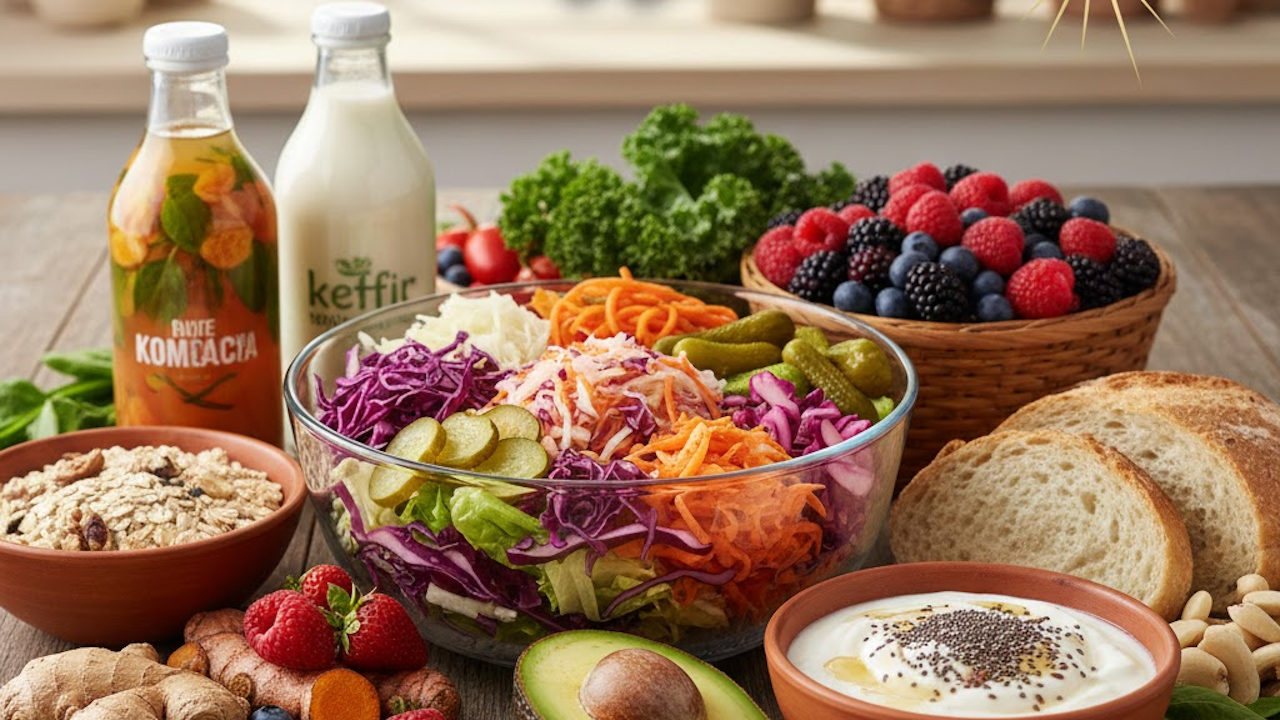
Gut health has become a central theme in conversations about wellness, beauty, and long term vitality. The idea of an “inner glow” is not just poetic language. It reflects the real and visible effects of a healthy digestive system on skin clarity, energy levels, mood, and immune strength. At the center of this connection lies the gut microbiome, a complex community of trillions of bacteria that help digest food, produce vitamins, regulate inflammation, and communicate with the brain. What we eat shapes this inner ecosystem every day. By choosing foods that nourish beneficial microbes and support digestion, we can enhance both internal health and outward radiance.
The gut lining acts as a selective barrier, allowing nutrients to pass into the bloodstream while keeping harmful substances out. When this barrier is strong, the body absorbs vitamins efficiently and inflammation stays low. When it is compromised, a condition often called increased intestinal permeability, toxins and undigested particles can enter circulation and trigger immune reactions. This process is linked to acne, eczema, fatigue, and joint pain. Food plays a direct role in maintaining the integrity of this barrier and in cultivating a balanced microbiome.
One of the most powerful groups of gut friendly foods is fermented foods. These foods contain live beneficial bacteria known as probiotics. Yogurt with live cultures, kefir, sauerkraut, kimchi, miso, and tempeh introduce helpful microbes that can crowd out harmful strains. Regular intake of fermented foods has been shown to improve digestion, reduce bloating, and strengthen immune defenses. For the skin, these effects often translate into fewer breakouts, reduced redness, and a more even tone. When the gut is calm and balanced, systemic inflammation drops and the skin reflects that stability.
Equally important are prebiotic foods, which serve as fuel for beneficial bacteria. Prebiotics are specific types of fiber that human enzymes cannot digest but gut microbes thrive on. Garlic, onions, leeks, asparagus, bananas, oats, and chicory root are rich sources. By feeding friendly bacteria, prebiotics help them produce short chain fatty acids that nourish the cells lining the colon and regulate immune responses. These compounds play a key role in maintaining a strong gut barrier and controlling inflammation throughout the body.
Whole plant foods provide another foundation for gut health. Vegetables, fruits, legumes, nuts, and seeds deliver a wide range of fibers and polyphenols that increase microbial diversity. Diversity is a hallmark of a resilient microbiome. Different bacteria specialize in breaking down different compounds, so a varied diet supports a more stable ecosystem. Berries, leafy greens, cruciferous vegetables, and colorful produce offer antioxidants that protect gut tissue from oxidative stress. Over time, a diet rich in plants supports regular bowel movements, stable blood sugar, and clearer skin.
Healthy fats also influence the gut and the glow that follows. Omega three fatty acids, found in fatty fish, flaxseeds, chia seeds, and walnuts, have anti inflammatory effects that benefit both the gut lining and the skin. These fats help modulate immune activity and support the production of anti inflammatory signaling molecules. Olive oil, a key component of the Mediterranean diet, promotes the growth of beneficial bacteria and has been linked to lower rates of inflammatory disease. When inflammation is controlled at the gut level, it often shows in smoother, calmer skin.
Protein sources matter as well. Collagen rich foods and bone broth provide amino acids such as glycine and glutamine that help repair the gut lining. Eggs, poultry, fish, and legumes supply essential building blocks for tissue repair and enzyme production. Balanced protein intake supports satiety, stable energy, and healthy hair and nails, all part of the broader picture of inner and outer health.
Hydration is a frequently overlooked factor in gut health. Water supports the movement of fiber through the digestive tract and prevents constipation, which can increase toxin reabsorption. Herbal teas and broths can contribute to fluid intake while offering soothing compounds that calm the digestive system. Adequate hydration helps maintain the mucous layer that protects the gut lining and supports nutrient transport.
While adding supportive foods is crucial, reducing disruptive ones is equally important. Highly processed foods, excessive sugar, and refined carbohydrates can promote the growth of harmful bacteria and yeast. Artificial sweeteners may alter microbial balance, and frequent alcohol intake can damage the gut barrier. Over time, these patterns increase inflammation and weaken digestion, often reflected in dull skin, low energy, and frequent illness.
Stress and sleep interact closely with diet in shaping gut health. Chronic stress alters gut motility and microbial composition, while poor sleep impairs immune regulation. Foods that support gut health work best when paired with regular meals, mindful eating, and sufficient rest. The gut and brain communicate constantly through the gut brain axis, so emotional well being and digestion rise and fall together.
An inner glow is not the result of a single superfood or supplement. It is the cumulative effect of daily choices that support a balanced microbiome, a strong gut lining, and low inflammation. By emphasizing fermented foods, prebiotic fibers, whole plants, healthy fats, quality proteins, and proper hydration, we nourish the body from within. Over time, this nourishment becomes visible in clearer skin, brighter eyes, steadier energy, and a sense of well being that truly shines from the inside out.