

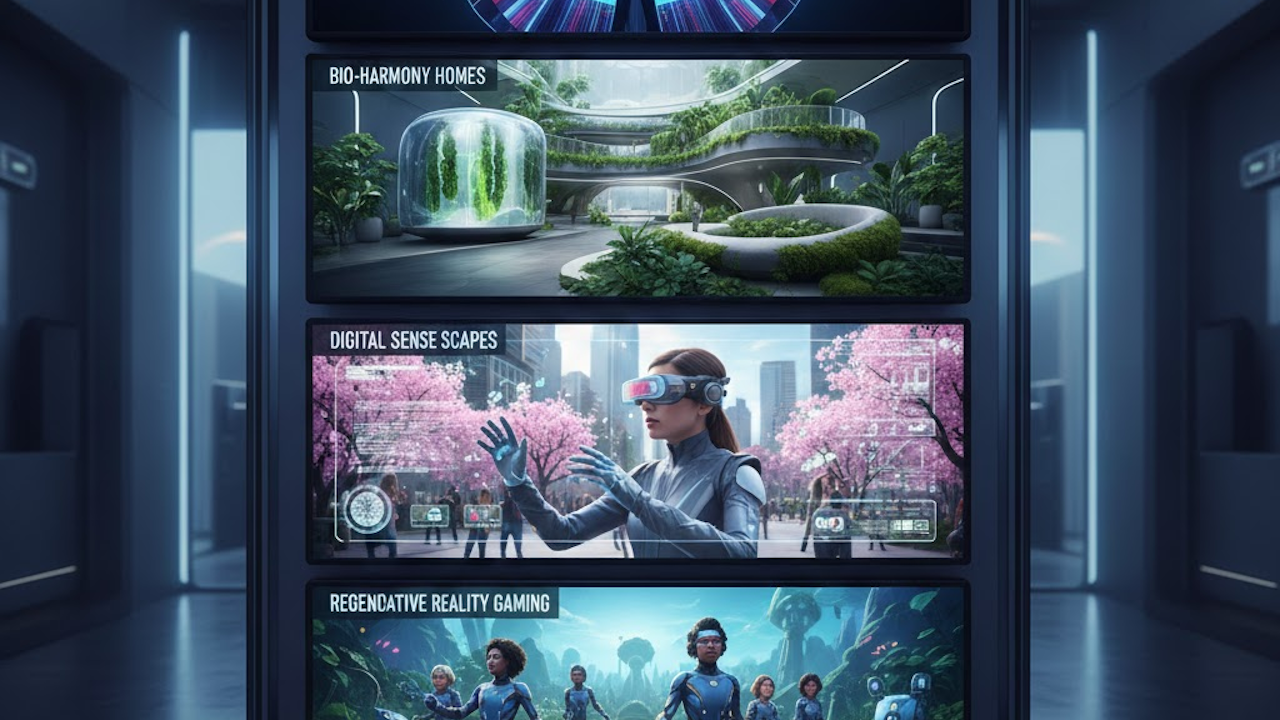
As we hurtle toward the end of the 2020s, the pace of technological and cultural evolution shows no signs of slowing. By 2030, the world will likely be a tapestry of innovations that blend seamlessly with everyday life, turning what once seemed like science fiction into commonplace trends. These futuristic fads will not just be gadgets or apps; they will reshape how we interact, consume, work, and even think. From augmented realities that overlay our physical world to biohacked bodies and sustainable lifestyles pushed to new extremes, the fads of 2030 promise a mix of excitement, convenience, and perhaps a touch of controversy.
This article explores some of the most anticipated trends set to dominate by 2030. Drawing from current trajectories in technology, society, and the environment, we’ll delve into how these fads might emerge, why they’ll catch on, and what implications they could have. While predictions are inherently speculative, they are grounded in ongoing developments like AI advancements, climate initiatives, and shifting consumer behaviors. Let’s peer into the crystal ball and uncover the fads that could define the next decade.
AI Companions: Your Personal Digital Soulmate
By 2030, artificial intelligence will have evolved beyond mere assistants like today’s chatbots into full-fledged companions that anticipate needs, offer emotional support, and even simulate human relationships. Imagine waking up to an AI that not only brews your coffee but also engages in witty banter tailored to your mood, drawing from a vast database of your preferences and past interactions.
This fad will stem from the loneliness epidemic exacerbated by remote work and social media isolation in the 2020s. Companies like xAI and others will push boundaries with empathetic AIs, using neural networks trained on psychological data to mimic therapists, friends, or romantic partners. Expect customizable avatars that project holographically via smart glasses or home devices, making interactions feel lifelike.
The appeal? Convenience and companionship without the messiness of human flaws. However, critics will warn of dependency issues, with studies showing increased social withdrawal among heavy users. Fashionable accessories, like neural earpieces that whisper advice in real-time, will become status symbols. In urban hubs like Tokyo or San Francisco, AI dating apps will match humans with digital partners for “practice runs” before real dates, blurring lines between virtual and real intimacy.
Businesses will capitalize on this, offering subscription models for premium AI personalities inspired by celebrities or historical figures. By 2030, owning a basic AI companion might be as common as having a smartphone today, but the elite will flaunt hyper-personalized versions with quantum computing enhancements for instantaneous responses.
Sustainable Micro-Farming: Backyard Bounty Goes High-Tech
Environmental consciousness will peak by 2030, driving a fad toward personal micro-farming systems that turn balconies, kitchens, and even closets into productive gardens. Forget bulky hydroponics; these will be sleek, AI-managed units using vertical LED lighting, automated nutrient delivery, and gene-edited seeds for year-round yields.
Driven by food scarcity fears from climate change and supply chain disruptions, consumers will embrace these as both a hobby and a necessity. Startups will offer modular farms that integrate with smart homes, monitoring soil via sensors and adjusting conditions via apps. Picture harvesting fresh strawberries from a wall-mounted unit while your fridge suggests recipes based on the produce.
This trend will intersect with health fads, promoting organic, hyper-local eating to combat processed food dominance. Social media influencers will showcase “farm-to-fork” challenges, where participants grow and cook meals solely from their setups. In denser cities, community micro-farms in shared spaces will foster social bonds, turning gardening into a communal event.
Challenges include high initial costs, though subsidies from governments pushing net-zero goals could make them accessible. By 2030, expect designer farms from brands like IKEA, with aesthetic appeals matching modern interiors. This fad won’t just feed bodies; it will nourish a sense of self-sufficiency in an uncertain world.
Augmented Fashion: Wearables That Evolve With You
Fashion in 2030 will be dynamic, thanks to smart fabrics and augmented reality overlays that allow clothing to change appearance on demand. Envision a jacket that shifts colors via embedded e-ink or projects holographic patterns through AR glasses, making one outfit versatile for any occasion.
This fad builds on current wearables like smartwatches, expanding to full-body integration. Materials infused with nanotechnology will self-repair tears or adjust insulation based on weather data pulled from the cloud. Sustainability will be key, with biodegradable fabrics printed on-demand via 3D printers to reduce waste.
The social angle? AR fashion apps will let users “try on” virtual outfits in real-time, shared via social platforms for instant feedback. Influencers will monetize custom designs, selling digital skins that buyers apply to their physical clothes. In professional settings, adaptive suits could display company logos or status indicators, like glowing badges for executives.
Privacy concerns will arise, as these wearables track biometrics for health monitoring, potentially sharing data with insurers. Yet, the allure of endless style without endless shopping will drive adoption. By 2030, thrift stores might evolve into “upcycle hubs” where old garments get tech upgrades, blending vintage with futuristic flair.
Biohacking for the Masses: DIY Enhancements
Once niche, biohacking will explode into a mainstream fad by 2030, with at-home kits for genetic tweaks, nootropics, and implantable devices. People will use CRISPR-inspired tools to edit minor traits, like enhancing caffeine tolerance or boosting vitamin absorption, all monitored by wearable sensors.
Fueled by longevity research from labs like those at Calico or Altos, this trend will promise optimized health and performance. Affordable gene-sequencing devices, akin to home pregnancy tests, will analyze DNA and suggest custom supplements printed via bioprinters.
Fitness enthusiasts will implant microchips for real-time hormone tracking, adjusting workouts accordingly. Socially, biohacking meetups will resemble today’s gyms, with participants sharing hacks and competing in “optimization challenges.” Celebrities will endorse brands, normalizing procedures like neural implants for enhanced focus.
Regulations will lag, leading to black-market fads for riskier enhancements, like glowing skin via bioluminescent genes. Ethical debates will rage over equity, as wealthier individuals gain advantages. Nonetheless, by 2030, biohacking could be as routine as taking vitamins, with apps gamifying progress toward “superhuman” status.
Virtual Realms: Immersive Work and Play
Virtual reality will mature by 2030, creating persistent digital worlds where work, education, and leisure converge. Fads will include “meta-offices” where avatars collaborate in customizable spaces, complete with haptic suits for physical feedback.
This builds on platforms like the Metaverse, evolving into hyper-realistic environments powered by brain-computer interfaces. Commuting? Obsolete, as you “teleport” to meetings from your living room. Gaming will blend with reality, with AR overlays turning cities into adventure zones.
Socially, virtual tourism will boom, letting users explore recreated historical sites or alien planets. Mental health apps will offer serene escapes, combating urban stress. Businesses will host virtual events, reducing carbon footprints while expanding reach.
Downsides include addiction, with “VR withdrawal” becoming a recognized condition. Accessibility will improve with cheaper headsets, but digital divides persist. By 2030, owning a VR rig might be essential, much like internet access today, fostering a fad of “digital nomadism” where physical location matters less.
Lab-Grown Luxuries: Ethical Indulgences
Food trends will pivot to lab-grown alternatives by 2030, making exotic meats and rare ingredients accessible without ethical qualms. Cultured steaks, printed chocolates, and algae-based superfoods will dominate menus, driven by sustainability and curiosity.
Restaurants will feature “molecular gastronomy 2.0,” where diners customize meals via apps, with printers assembling dishes on-site. This fad will appeal to vegans and carnivores alike, offering guilt-free indulgences like wagyu beef grown from cells.
Health benefits include tailored nutrition, with foods engineered for specific diets. Social media will buzz with “lab feasts,” where influencers showcase bizarre creations like glowing desserts. Supply chains will shorten, reducing global transport emissions.
Challenges? Initial skepticism over taste and safety, though advancements will mimic natural flavors perfectly. By 2030, home lab-kits for growing basics like mushrooms or proteins could become commonplace, turning cooking into a scientific art.
Autonomous Mobility: Rides Reimagined
Transportation fads will center on autonomous vehicles that double as mobile living spaces. By 2030, self-driving cars will feature entertainment pods, workspaces, or even mini-gyms, transforming commutes into productive time.
Electric and flying variants will emerge, with urban air taxis zipping between skyscrapers. Subscription models will replace ownership, with fleets summoned via apps. This trend stems from traffic woes and eco-pushes, integrating with smart cities for seamless navigation.
Socially, car-sharing communities will form, matching riders for shared journeys with themed experiences, like podcast discussions or silent meditations. Safety features, powered by AI, will minimize accidents, boosting adoption.
Privacy issues will surface, as vehicles track movements. Yet, the freedom from driving drudgery will win out. By 2030, “road trips” might involve virtual scenery overlays, making every ride an adventure.
Neural Entertainment: Mind-Meld Media
Entertainment in 2030 will go neural, with content streamed directly to the brain via implants or non-invasive headsets. Fads will include “dream cinemas,” where stories unfold in subconscious states, or interactive narratives shaped by thoughts.
Building on EEG tech, this allows immersive experiences beyond screens. Movies will adapt to viewer emotions, altering plots for personalized endings. Music could induce synesthetic visuals, blending senses.
Creators will experiment with collective viewing, where groups share mental spaces. Therapy applications will emerge, using narratives to heal traumas.
Risks include overstimulation or hacked content. Regulations will mandate “mind breaks.” By 2030, this fad could redefine leisure, making passive watching obsolete.
Conclusion
The fads of 2030 will reflect our aspirations for a smarter, greener, and more connected world, but they’ll also challenge norms around privacy, humanity, and equity. As AI companions become confidants and biohacks promise perfection, society must navigate the balance between innovation and caution. These trends, while exciting, remind us that the future is what we make it shaped by choices today. Whether embracing micro-farms or virtual realms, the key will be adapting with intention, ensuring technology serves us, not defines us. As we approach this horizon, one thing is clear: the fads ahead will be as transformative as they are transient, paving the way for even wilder evolutions beyond.