

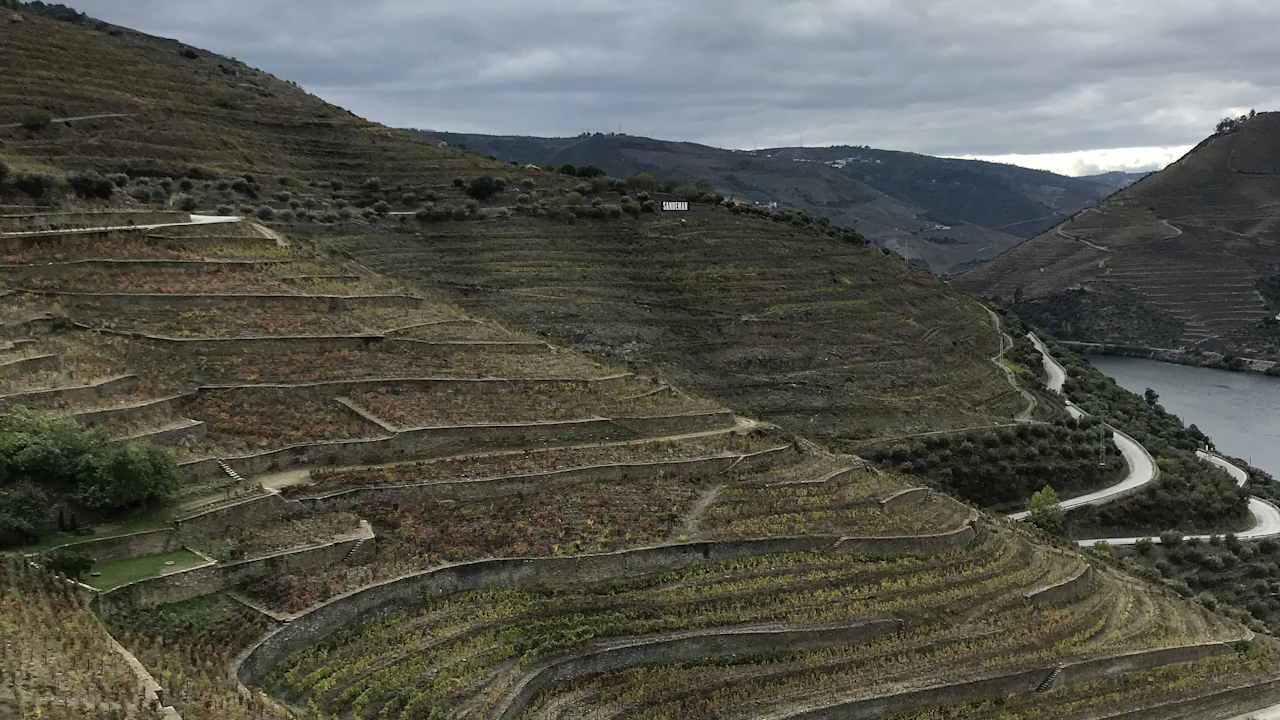
Wine production is deeply intertwined with climate. The environmental conditions in a vineyard, particularly temperature, rainfall, sunlight, and seasonal variations, shape grape development, ripening, and ultimately the character of the wines produced. Viticulturists have long recognized that climate is one of the primary factors in terroir, alongside soil and topography. By examining wine regions through the lens of climate, enthusiasts and professionals alike can better understand why certain grapes thrive in specific areas and how resulting wines express distinct styles.
This article delves into major climate categories relevant to viticulture, drawing from classifications such as the Koppen system adapted for winegrowing and the Winkler degree-day scale. It explores cool, moderate, warm, and hot climates, along with broader types like Mediterranean, maritime, and continental. Each section highlights representative regions, signature grape varieties, wine characteristics, and the interplay between climate and viticultural practices.
Understanding Climate Classifications in Viticulture
Wine regions are generally located between the 30th and 50th parallels in both hemispheres, where temperate conditions allow grapes to ripen without extreme heat or cold. The Winkler scale, developed in the mid-20th century, classifies regions based on growing degree days (GDD), which measure heat accumulation during the growing season. Regions I and II are cooler, while IV and V are warmer. More modern approaches use Koppen classifications, grouping areas into Mediterranean, maritime temperate, continental, and others.
Climate influences key grape components: sugars for alcohol and body, acids for freshness and aging potential, tannins for structure, and aromatic compounds for flavor complexity. Cooler conditions slow ripening, preserving acidity and developing nuanced flavors. Warmer conditions accelerate ripening, leading to higher sugars, fuller bodies, and riper fruit notes. Rainfall patterns affect disease pressure and irrigation needs, while diurnal temperature swings (day-night differences) enhance complexity by allowing grapes to retain acidity while building sugars during the day.
Cool Climate Wine Regions
Cool climate regions feature lower average temperatures during the growing season, often with significant diurnal variation and higher rainfall. These areas produce wines with bright acidity, lower alcohol levels (typically 11 to 13 percent), lighter bodies, and elegant, restrained fruit profiles. Grapes may struggle to ripen fully in marginal years, but when successful, they yield wines with finesse and aging potential.
Classic examples include parts of Northern France, such as Champagne and Burgundy. In Champagne, the cool, chalky soils and marginal climate suit Chardonnay, Pinot Noir, and Pinot Meunier for sparkling wines, imparting high acidity and delicate bubbles. Burgundy’s Pinot Noir and Chardonnay from areas like the Cote d’Or develop earthy, floral, and red fruit notes with firm structure due to slow ripening.
Germany’s Mosel Valley and Rhine regions exemplify cool continental influences with steep slopes that maximize sun exposure. Riesling thrives here, producing aromatic wines with vibrant acidity, minerality, and flavors ranging from green apple and lime to honeyed stone fruit in riper vintages. The potential for botrytis (noble rot) adds complexity in sweet styles.
In the New World, New Zealand’s Marlborough region is renowned for Sauvignon Blanc. The cool maritime climate yields wines with intense herbaceous, citrus, and tropical aromas, balanced by crisp acidity. Oregon’s Willamette Valley produces Pinot Noir with red cherry, earth, and herbal notes similar to Burgundy but often with a touch more brightness.
Other notable cool areas include Austria’s Wachau for Riesling and Gruner Veltliner, Chile’s cooler coastal valleys, and emerging regions like parts of Tasmania in Australia or England’s sparkling wine zones. Challenges in cool climates include frost risk, shorter growing seasons, and the need for site selection on slopes or near bodies of water for heat retention. Viticultural techniques often involve canopy management to increase sun exposure and careful variety selection.
Moderate and Maritime Climate Regions
Maritime or oceanic climates, influenced by proximity to large bodies of water, offer moderate temperatures with less extreme variation. These regions benefit from cooling breezes and humidity, which moderate heat and extend the growing season. Wines tend to show balance, with integrated acidity, moderate alcohol, and layered flavors.
Bordeaux in France is a prime example of a maritime temperate climate. The Gironde estuary and Atlantic influence create mild conditions ideal for Cabernet Sauvignon, Merlot, and Cabernet Franc. Left Bank wines emphasize structured Cabernet with blackcurrant and cedar notes, while Right Bank Merlot-dominant blends are plumper with plum and chocolate undertones. The region’s gravel, clay, and limestone soils further enhance drainage and minerality.
Nearby, Burgundy transitions between continental and maritime influences, but many coastal or near-coastal areas fit this category. In the Southern Hemisphere, New Zealand’s broader regions beyond Marlborough and parts of South Africa’s coastal zones exhibit maritime traits.
Maritime climates reduce frost risk but can increase mildew pressure due to humidity. Growers manage this with vigilant canopy aeration and fungicide programs where permitted. The result is often versatile wines that pair well with food, showing neither excessive power nor fragility.
Mediterranean Climate Regions
Mediterranean climates are characterized by warm to hot, dry summers and mild, wet winters. This pattern, found around the Mediterranean Sea and in analogous regions like California, parts of Australia, Chile, and South Africa, is highly favorable for viticulture. Low summer rainfall minimizes disease while allowing controlled irrigation or dry farming. Long, sunny days promote full ripening.
Tuscany in Italy showcases this climate with Sangiovese as the star grape. Chianti and Brunello di Montalcino wines display cherry, leather, and herbal flavors with firm tannins and bright acidity, benefiting from the diurnal swings in hilly terrain. Southern France, including Provence and the Southern Rhone, produces Grenache, Syrah, and Mourvedre blends that are sun-kissed, with garrigue (herbal scrub) aromas, ripe red and black fruits, and spicy notes.
California’s Napa Valley enjoys a classic Mediterranean profile moderated by Pacific influences. Cabernet Sauvignon here develops rich black fruit, cassis, and oak-derived vanilla, with structured yet approachable tannins. The dry summers allow even ripening, while cool nights preserve acidity.
Australia’s Barossa Valley and McLaren Vale in South Australia feature warm Mediterranean conditions suited to Shiraz. These wines are full-bodied, with dark plum, chocolate, and peppery spice. In Spain, Rioja and Ribera del Duero blend Tempranillo with other varieties for elegant yet powerful reds. Greece and Lebanon contribute aromatic whites and robust reds influenced by coastal breezes and altitude variations.
Mediterranean regions excel with heat-tolerant varieties but face challenges like drought and wildfire risk. Sustainable practices, such as cover crops and water conservation, are increasingly important.
Warm and Hot Climate Regions
Warm to hot climates feature higher average temperatures, longer growing seasons, and often greater diurnal ranges in inland areas. Grapes ripen reliably and quickly, resulting in wines with higher alcohol (14 percent or more), fuller bodies, softer acidity, and pronounced ripe or jammy fruit flavors. These regions produce approachable, fruit-forward wines that can age if structured well.
Argentina’s Mendoza region, with its high-altitude vineyards in a semi-arid setting, produces Malbec that is plush with blackberry, violet, and chocolate notes. Australia’s warmer inland areas yield powerful Shiraz and Cabernet. Southern Italy, such as Puglia and Sicily, offers Primitivo, Nero d’Avola, and other indigenous grapes with Mediterranean warmth, delivering ripe red fruits and herbal undertones.
South Africa’s Stellenbosch and parts of California’s Central Valley also fit here. These areas support a wide range of international varieties, allowing experimentation with blends and styles. Challenges include heat stress, which can lead to overripe or unbalanced grapes, and water scarcity. Irrigation management and shade techniques help maintain quality.
Continental Climate Influences
Continental climates feature hot summers and cold winters with greater temperature extremes. These are common in inland areas away from moderating ocean effects. Examples include parts of Burgundy (inland France), the Finger Lakes in New York, and Central Europe. Wines can show pronounced acidity and structure from cold winters, with varied ripeness depending on summer heat.
The Impact of Climate on Wine Styles and Pairing
Cool climate wines often pair with delicate dishes like seafood, poultry, or soft cheeses due to their acidity and lightness. Warm climate wines complement richer fare such as grilled meats, spicy cuisines, or hearty stews, where their fruit intensity and higher alcohol stand up well. Acidity in cooler wines refreshes the palate, while body and tannins in warmer wines provide structure against fats.
Climate Change and the Future of Wine Regions
Rising temperatures are shifting climate zones, potentially making some traditional cool areas warmer and enabling new regions farther north or at higher altitudes. This presents opportunities for emerging cool climate zones but threats to established ones through altered ripening patterns, increased extremes, and water stress. Producers are adapting with new rootstocks, variety selections, and precision viticulture.
Conclusion
Exploring wine regions by climate reveals the remarkable diversity of the global wine landscape. From the elegant, acid-driven Pinot Noirs of cool Burgundy and Oregon to the bold, sun-drenched Shirazes of warm Australia and the balanced Mediterranean expressions of Tuscany and Napa, each climate imparts a unique signature. Understanding these dynamics enhances appreciation for the winemaker’s craft and the natural forces at play. Whether a novice or connoisseur, considering climate alongside grape variety and vintage deepens the enjoyment of every bottle. As conditions evolve, the continued exploration and adaptation by vintners will ensure wine’s rich tradition persists.