

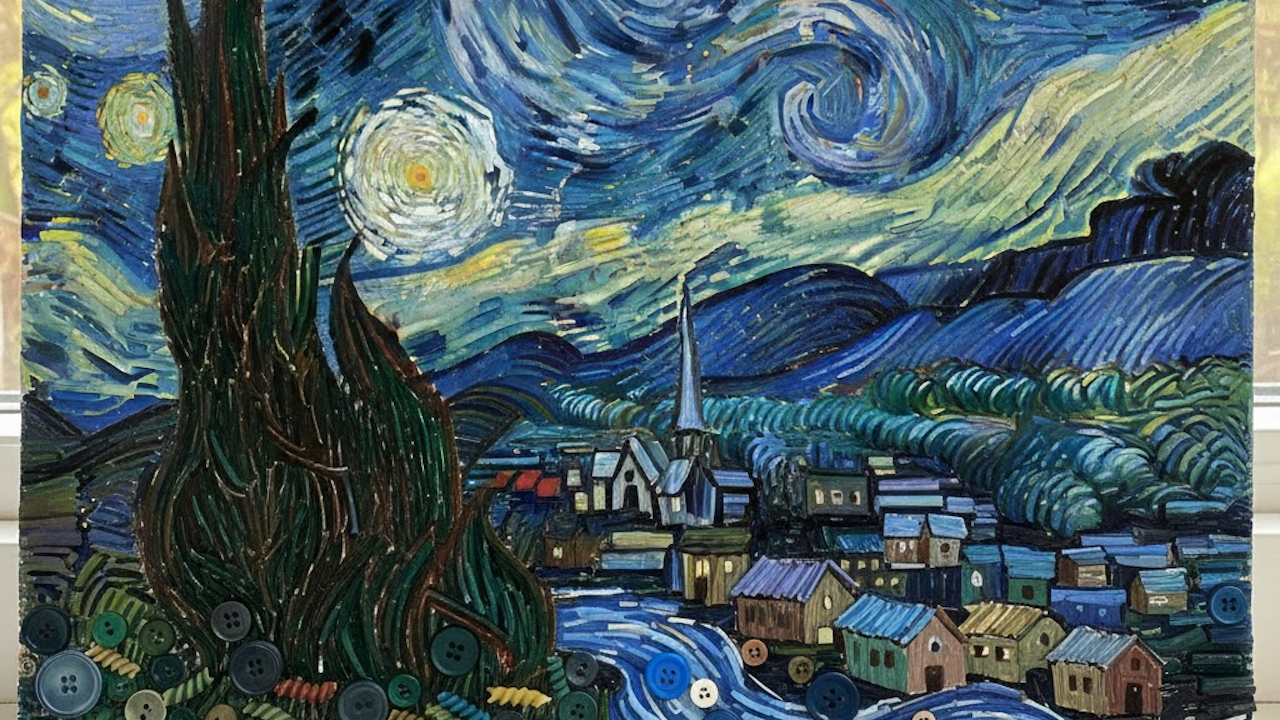
The world of art has always inspired creativity, but a global phenomenon in recent years showed just how accessible and fun it can be to bring masterpieces to life using items found around the home. During periods of isolation like the COVID-19 lockdowns, museums and social media users launched challenges encouraging people to recreate iconic paintings with household objects. What started as a simple way to combat boredom exploded into a viral movement full of humor, ingenuity, and genuine artistic appreciation. Participants used towels, food, toilet paper, clothing, and random knickknacks to mimic famous compositions. This trend not only brought joy but also highlighted the enduring power of great art and the creativity inherent in everyday life.
One of the most popular starting points was Johannes Vermeer’s “Girl with a Pearl Earring.” In the original 17th-century Dutch masterpiece, a young woman turns her head toward the viewer, her gaze captivating and mysterious, with a gleaming pearl earring as the focal point. In home recreations, people draped towels or scarves over their heads to simulate the turban, used a placemat or piece of fabric for the garment, and substituted the pearl with something as simple as a clove of garlic or a small ball. One early example came from a Dutch Instagram account called @tussenkunstenquarantaine, where the creator and her roommates used just three items to capture the essence. Variations included pets posing as the girl or family members adding humorous twists. These versions captured the lighting and pose remarkably well despite the humble materials.
Leonardo da Vinci’s “Mona Lisa” received countless treatments. The enigmatic smile and folded hands of the Renaissance portrait lent themselves to simple setups with a scarf or blanket for the attire, a chair for the pose, and creative substitutes for the background. One recreation featured a person in a bathrobe with hands positioned just so, evoking the calm composure of the original. Others used food items or drew backgrounds on paper. The challenge of replicating the subtle expression often led to amusing results that still honored the painting’s iconic status.
Edvard Munch’s “The Scream” proved especially fitting for the times, with its depiction of existential anguish. Recreators posed with hands on their faces in horror, using items like toast for the swirling sky or household clutter to mimic the bridge. One memorable version arranged food on a plate to form the screaming figure, turning a mundane meal into a commentary on isolation. The painting’s emotional intensity translated well into exaggerated home poses, often involving children or pets adding to the chaos.
Vincent van Gogh’s works inspired many entries. His “Starry Night” with its swirling skies and cypress trees was recreated using Play-Doh, carrot slices, wooden beads, or other small objects arranged on a flat surface. Participants also tackled his self-portraits, using bandages, hats, or even bananas and bike helmets to mimic the bandaged ear. These flat arrangements highlighted how everyday items could approximate brushstrokes and color palettes when organized thoughtfully.
Grant Wood’s “American Gothic” captured the stoic mood of rural America with a farmer and his daughter standing before a house, pitchfork in hand. During quarantine, couples or family members posed with brooms or similar tools as the pitchfork, wearing simple clothing and stern expressions. The painting’s themes of resilience resonated strongly, and many versions used blankets or curtains to simulate the house facade.
The Getty Museum in Los Angeles formalized the trend with its #GettyMuseumChallenge, inviting followers to use three household items to recreate works from its collection. This led to thousands of submissions worldwide. Examples included recreating ancient sculptures like a Cycladic harp player with a vacuum cleaner as the instrument, or Baroque scenes with sheets and dresses. One family used lasagna noodles, matches, and produce to depict an illuminated manuscript page. Another transformed a yawning self-portrait by Joseph Ducreux with a redcoat costume and twisted towels.
Paul Cézanne’s still lifes, such as arrangements of apples, were perfectly suited to kitchen items like pottery, bottles of gin, or fruit. Johannes Vermeer’s “The Astronomer” came alive with a tray table covered by a blanket, a globe, and careful lighting. Jeff Koons balloon animals were made from socks, while Jacques-Louis David paintings used fleece blankets and duct tape. The variety demonstrated boundless creativity.
Beyond the quarantine challenges, artist Adam Hillman took the concept further by arranging household objects into precise compositions that mimic famous paintings. Using items like paper clips, buttons, toothpicks, cereal, candies, coins, and chocolates, he created flat, intricate versions of works including “The Scream,” “Mona Lisa,” and Van Gogh pieces. His methodical placements captured colors, shapes, and even emotional tones through symmetry and pattern. This approach turned clutter into gallery-worthy art and showed how ordinary materials could evoke masterpieces when viewed from above.
Other notable examples include Frida Kahlo’s “Me and My Parrots,” recreated with stuffed animals or real pets on shoulders. Salvador Dali’s melting clocks in “The Persistence of Memory” used flexible objects like socks or spoons draped over edges. Renaissance works like “The Birth of Venus” or “The Last Supper” involved family groups with towels as drapery and food as props. Abstract pieces by artists like Vasily Kandinsky used colorful household items arranged geometrically.
This movement drew from earlier artistic traditions, such as using found objects in sculpture or pop art commentary on consumerism. It echoed challenges from institutions like the Rijksmuseum and spread rapidly on Instagram, Twitter, and Reddit. Participants ranged from children to seniors, turning homes into temporary studios. The rules were often loose: three items preferred but flexibility encouraged. Success came from attention to lighting, composition, color, and pose rather than perfect replication.
The appeal lay in several factors. First, it democratized art, showing that appreciation and creation do not require expensive supplies or training. Second, it provided levity and connection during difficult times, fostering community as people shared and voted on favorites. Third, it encouraged close looking at originals, deepening understanding of composition, light, and symbolism. Many discovered new artists through the process. Humor played a big role too, with absurd substitutions like garlic pearls or toast screams adding delight.
Parents involved kids, turning education into play. Seniors in care homes participated, combating isolation. The trend produced books compiling the best entries and inspired ongoing projects. It reminded everyone that art lives not just in museums but in the imaginative use of what surrounds us daily.
In conclusion, recreating famous paintings with everyday objects celebrates human ingenuity and the timeless relevance of art history. From Vermeer’s quiet intensity to Munch’s raw emotion, these home versions bridge centuries and bring masterpieces into kitchens, living rooms, and backyards. They prove that creativity thrives under constraints and that ordinary items hold extraordinary potential. Anyone can try it: pick a favorite painting, scan your surroundings, and experiment. The result may not hang in a museum, but it will spark joy and perhaps a new appreciation for both the original and the mundane wonders at hand. This playful intersection of high art and domestic life continues to inspire long after the initial viral wave.