

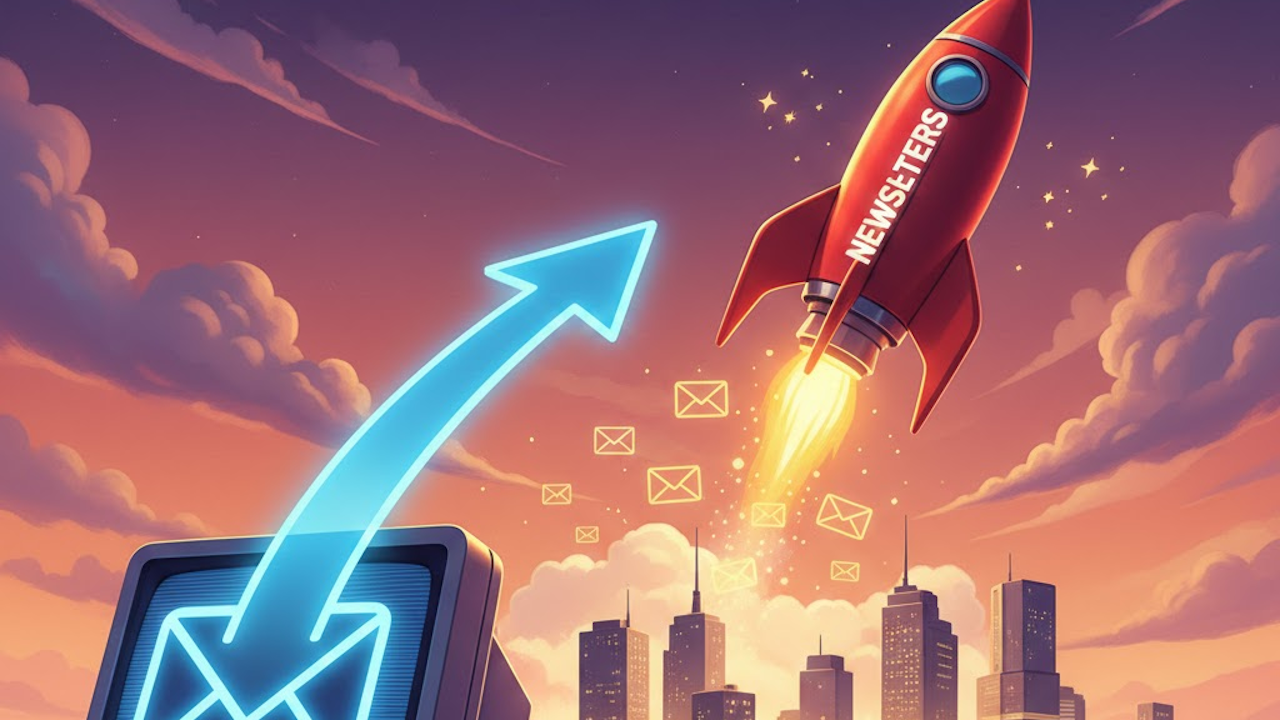
For years, email was treated as the dull cousin of social media. It felt crowded, outdated, and overshadowed by shiny new platforms promising reach, virality, and instant engagement. Yet in a surprising turn, email newsletters are enjoying a powerful comeback. Creators, businesses, and readers are rediscovering the value of the inbox, not as a relic of the early internet, but as a dependable and intimate channel for communication.
One major reason for this resurgence is fatigue with social platforms. Algorithms now control what people see, when they see it, and how often. Posts disappear quickly, buried under sponsored content and endless scrolling. Newsletters offer an alternative that feels calmer and more intentional. When someone subscribes to a newsletter, they make an active choice. The content arrives directly, without competing feeds or algorithmic guesswork. That sense of control is appealing in a noisy digital environment.
Trust also plays a critical role. Email feels personal in a way that public platforms do not. A newsletter lands in the same place as messages from friends, colleagues, and family. That proximity creates a subtle but powerful sense of credibility. Readers are more likely to engage thoughtfully with content that feels addressed to them, rather than broadcast to everyone. Over time, consistent newsletters build relationships that resemble conversations rather than announcements.
The economics of the internet have also shifted in email’s favor. Advertising driven models on social platforms have become less reliable, especially for smaller creators and niche publications. Newsletters, on the other hand, support direct monetization. Subscriptions, sponsorships, and premium tiers allow writers to earn from loyal audiences instead of chasing clicks. Platforms dedicated to newsletters have lowered technical barriers, making it easy for individuals to publish, manage lists, and get paid without large teams.
Another factor behind the comeback is the rise of niche content. Social media tends to reward broad appeal and quick reactions. Newsletters thrive on specificity. Whether the topic is climate policy, productivity tips, local culture, or industry insights, email supports depth over speed. Readers who subscribe to niche newsletters often value expertise and consistency. They are willing to spend time with longer, more thoughtful pieces that would struggle to survive in a fast moving feed.
Email newsletters also fit well into modern routines. Many people check their inbox at predictable moments, such as the start of the workday or during breaks. A newsletter can become part of that habit, like reading the morning paper or listening to a favorite podcast. This regularity benefits both readers and writers. Readers know when to expect value. Writers can focus on quality instead of constant posting.
Privacy concerns have further strengthened email’s appeal. As awareness grows around data tracking and platform surveillance, newsletters feel relatively transparent. Subscribing is a clear exchange. Readers provide an email address and receive content in return. There is less mystery about how and why something appears. While email is not free from data issues, it is perceived as more straightforward than platforms built on extensive behavioral tracking.
From a branding perspective, newsletters offer stability. Social platforms rise and fall, and policy changes can erase reach overnight. Email lists are owned assets. A creator or business controls the relationship and can move between tools without losing the audience. That resilience is attractive in an environment where digital strategies often depend on external rules that change without warning.
Finally, newsletters succeed because they reward authenticity. The format encourages a human voice. Many popular newsletters feel conversational, reflective, and honest. They do not need to perform for likes or optimize for trends. This authenticity resonates with readers who are tired of polished but empty content. A well written newsletter can feel like a thoughtful letter from someone who respects the reader’s time.
The return of email newsletters is not about nostalgia. It is a response to real shifts in how people want to consume and support content. In an era defined by overload and impermanence, email offers focus, ownership, and connection. The inbox, once dismissed as cluttered and boring, has become a place where meaningful digital relationships are rebuilt, one message at a time.