

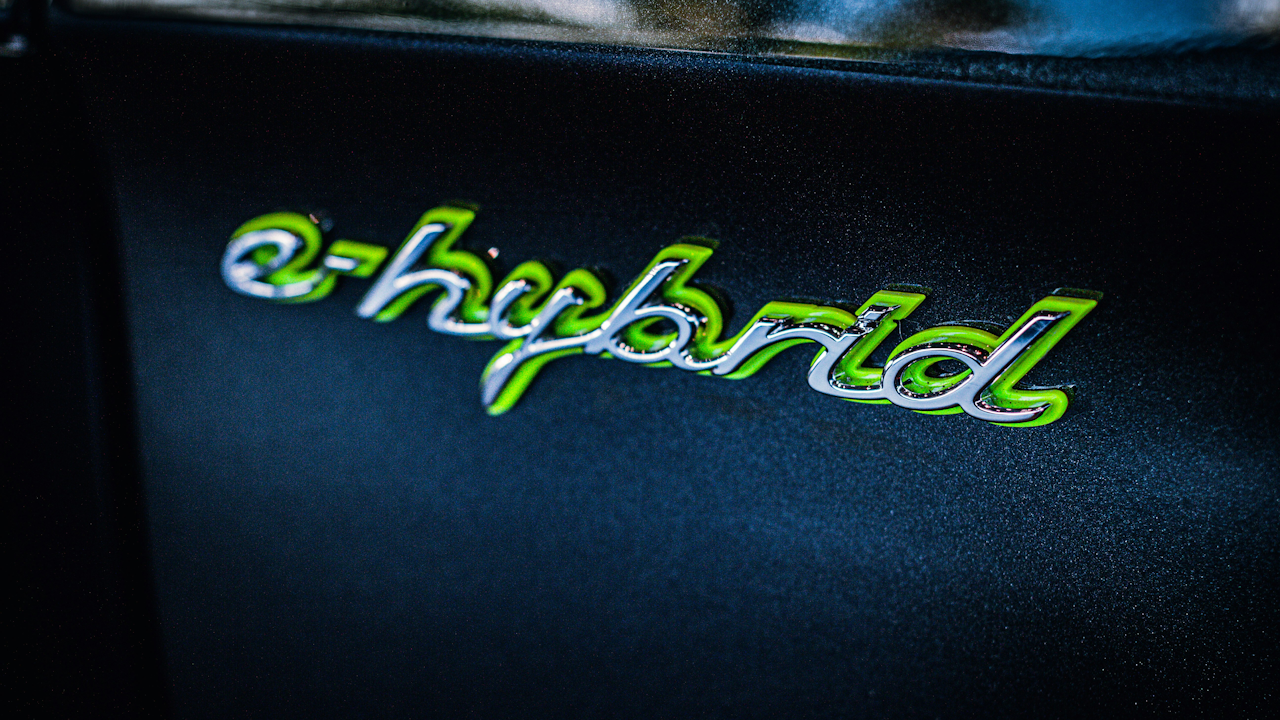
In 2025 the choice between a fully electric vehicle and a hybrid is no longer a futuristic debate. It is a practical decision shaped by your daily commute, budget, access to charging, and how many miles you plan to drive over the next five to ten years. Fuel prices remain volatile, electricity rates vary by region, and both powertrains have matured significantly. Yet each still carries distinct advantages and trade-offs in upfront cost, operating expenses, reliability, convenience, and environmental impact. This long-form guide breaks down the data, real-world performance, and buyer scenarios to help you decide which technology makes the most sense for your needs.
Understanding the Two Technologies
Fully electric vehicles, often called battery-electric vehicles or BEVs, run exclusively on electricity stored in a large battery pack. There is no gasoline engine. Power flows directly to one or more electric motors that deliver instant torque. You recharge by plugging in at home, work, or public stations. Popular 2025 examples include the Tesla Model 3, Hyundai Ioniq 6, Kia EV6, and Chevrolet Equinox EV.
Hybrids, by contrast, combine a gasoline engine with a smaller electric motor and battery. Most are conventional or self-charging hybrids (HEVs) that never need to be plugged in. The electric motor assists the engine during acceleration, captures energy during braking, and allows limited electric-only driving at low speeds. The Toyota Prius, Hyundai Elantra Hybrid, Toyota Camry Hybrid, and Honda Accord Hybrid represent strong entries in this category. Plug-in hybrids (PHEVs) sit in between: they add a larger battery that you can charge for 25 to 50 miles of electric range before the gasoline engine takes over. For simplicity this article focuses primarily on BEVs versus traditional HEVs, noting PHEVs where they serve as a middle ground.
Upfront Purchase Price and Incentives
New hybrids remain more affordable at the dealership. Average transaction prices for hybrids in 2025 hover just under 40,000 dollars, often only a modest premium over their gasoline-only siblings. A well-equipped Toyota Corolla Hybrid or Hyundai Elantra Hybrid starts in the low 20,000s to mid 20,000s. Even premium hybrids like the Toyota Camry Hybrid land around 30,000 dollars.
New BEVs carry a higher sticker price. Mainstream models often begin in the mid 30,000s to low 40,000s after any remaining state or utility rebates, though some luxury or long-range trims exceed 50,000 dollars. Federal tax credits in the United States largely ended by late 2025, removing the automatic 7,500-dollar discount that helped many buyers earlier in the year. State-level incentives and utility rebates still exist in places like California or New York, but they are not universal.
Depreciation hits new BEVs harder in the first two to four years. Used 2023 or 2024 EVs frequently sell for one-third less than their original price, making the used-EV market an attractive entry point. A two-year-old Kia Niro EV or Tesla Model Y can often be found for the price of a new PHEV while still carrying significant battery warranty coverage.
Operating Costs: Fuel, Electricity, and Maintenance
This is where BEVs pull ahead for most owners. Annual energy costs for a BEV driven 12,000 miles typically range from 450 to 800 dollars assuming home charging at average U.S. residential rates of 0.16 to 0.20 dollars per kilowatt-hour. Public fast-charging raises that figure but still stays below gasoline costs in most regions.
Hybrids achieve impressive fuel economy, with class leaders like the Toyota Prius rated at 57 miles per gallon combined and the Hyundai Elantra Hybrid at 54 miles per gallon. Still, 12,000 miles of driving at current gasoline prices of roughly 3.00 to 3.50 dollars per gallon translates to 900 to 1,500 dollars per year. PHEVs land in the middle if you charge regularly; otherwise they behave like less-efficient hybrids.
Maintenance tells a similar story. BEVs have fewer moving parts: no oil changes, no spark plugs, no exhaust system, and regenerative braking that dramatically reduces brake wear. Five-year maintenance and repair estimates for a typical BEV fall between 1,200 and 2,000 dollars. Hybrids require traditional engine service plus occasional hybrid-specific attention, pushing five-year costs to 2,500 to 3,500 dollars. Over 100,000 miles the cumulative maintenance savings for a BEV can exceed 3,000 dollars compared with a hybrid.
Insurance remains a wildcard. BEVs often carry 15 to 25 percent higher premiums because of higher repair costs for battery packs and specialized high-voltage components. Hybrids see only a modest 5 to 10 percent increase over gasoline models.
Total Cost of Ownership Over Five to Ten Years
When you combine purchase price, fuel, maintenance, insurance, and depreciation, the picture shifts depending on your timeline and mileage. For a new compact BEV versus a new compact hybrid driven 12,000 miles per year with home charging, the five-year total cost of ownership often favors the hybrid by a few thousand dollars. The higher upfront price and steeper early depreciation of the BEV outweigh the fuel and maintenance savings in the short term.
Extend ownership to eight or ten years, or increase annual mileage to 15,000-plus, and the BEV usually becomes cheaper overall. Fuel and maintenance savings compound while the battery warranty (typically eight years or 100,000 miles) continues to protect the largest long-term risk. Used BEVs flip the math entirely: lower acquisition cost plus retained low operating expenses frequently make them the lowest-cost option compared with a new or lightly used hybrid.
Battery replacement fears are often overstated. Gradual degradation is more common than outright failure, and most packs retain 70 to 80 percent capacity well past 100,000 miles. Warranty coverage handles rare early failures at no cost to the owner.
Performance and Driving Experience
BEVs win on pure driving enjoyment. Instant torque delivers effortless acceleration that feels quicker than many sports cars. The low center of gravity from a floor-mounted battery improves handling, and the absence of engine noise creates a serene cabin. Regenerative braking feels natural once you adapt and can be adjusted to one-pedal driving in many models.
Hybrids offer a more familiar experience. They accelerate smoothly thanks to electric assist, but the gasoline engine still provides the primary power on highways. Noise and vibration levels are higher than in a BEV but lower than in a pure gasoline car. Many drivers appreciate the seamless transition between power sources and the lack of any need to plan charging stops.
Range, Refueling, and Real-World Convenience
Range anxiety remains the most discussed drawback of BEVs. Typical 2025 mainstream models deliver 220 to 320 miles of real-world range in mixed driving. Long-range variants exceed 400 miles, but cold weather, highway speeds, and heavy loads can reduce that figure by 20 to 30 percent. Public charging infrastructure has grown substantially. The United States reached roughly 200,000 public charging points by late 2025, while Europe surpassed one million. Fast chargers capable of adding 100 to 200 miles in 15 to 20 minutes are now common along major highways.
Even so, a 30-minute charging stop still feels longer than a five-minute gasoline fill-up. Home Level 2 charging solves daily needs for most owners who drive fewer than 100 miles per day, but apartment dwellers or those without dedicated parking face real hurdles.
Hybrids eliminate range anxiety entirely. You refuel at any gas station in minutes and continue driving without a second thought. This flexibility makes hybrids the default choice for frequent long-distance travelers, families with unpredictable schedules, or anyone towing trailers or carrying heavy loads on a regular basis.
Environmental Impact
BEVs produce zero tailpipe emissions and lower lifetime greenhouse-gas emissions once manufacturing impacts are amortized, typically after 15,000 to 20,000 miles of driving on a reasonably clean grid. Battery production carries an upfront carbon debt from mining and refining materials, but recycling programs and improving chemistries are shrinking that footprint each year.
Hybrids cut emissions substantially compared with pure gasoline cars by 30 to 50 percent depending on model and driving style, yet they still burn fossil fuel. PHEVs offer the best of both worlds when owners charge regularly, but many PHEV drivers rarely plug in and therefore achieve only modest real-world gains.
Reliability in 2025
Consumer Reports data from 2025 shows hybrids remain the most dependable electrified powertrains. They experience 15 percent fewer problems than gasoline-only vehicles thanks to decades of refinement. BEVs and PHEVs report about 80 percent more issues on average, largely because they incorporate newer designs and complex electronics. Battery and charging-system glitches, software updates, and body hardware problems top the list for EVs, though many owners report high satisfaction once initial teething issues are resolved. Toyota, Honda, and Hyundai hybrids continue to top reliability charts, while certain EV models from established brands are closing the gap.
2025 Market Landscape and Model Highlights
The 2025 model year delivered meaningful improvements across both categories. BEVs benefited from faster-charging batteries, 800-volt architectures in many new entries, and ranges that finally feel adequate for most families. Hybrids saw powertrain refinements that pushed combined fuel economy into the mid-50s for several sedans and crossovers.
Standout BEVs include the Hyundai Ioniq 6 for efficiency and value, the Kia EV9 for three-row family hauling, and the refreshed Tesla Model 3 for software polish and performance. On the hybrid side the Toyota Prius and Camry hybrids continue to set efficiency benchmarks, while the Hyundai Elantra Hybrid offers surprising driving fun at a low price.
PHEVs such as certain Toyota RAV4 or Chrysler Pacifica variants remain strong options for buyers who want electric commuting capability without full commitment.
Who Should Buy What?
Choose a BEV if you have reliable home or workplace charging, your daily round-trip is under 150 miles, you keep vehicles for at least six years, and you value long-term savings plus a quiet, responsive drive. Urban or suburban commuters, second-car households, and environmentally focused buyers usually find BEVs rewarding. Shopping used expands the pool dramatically and improves the financial case.
Choose a hybrid if you lack convenient charging, take frequent road trips exceeding 300 miles, need maximum flexibility, or prefer the lowest possible upfront cost with proven reliability. Families, rural drivers, and anyone who simply wants to spend less time thinking about energy management tend to prefer hybrids.
Consider a PHEV as a transitional step if your lifestyle mixes short commutes with occasional long hauls and you can charge a few times per week.
Final Thoughts
There is no universal winner in 2025. Electric vehicles deliver unmatched efficiency, smoothness, and future-proofing for owners who can charge easily and drive enough miles to amortize the higher initial price. Hybrids remain the practical, reliable, low-risk choice for everyone else, offering immediate savings and zero lifestyle disruption.
Evaluate your own circumstances first: measure your average daily miles, check your parking and electrical setup, calculate a five- and ten-year ownership budget based on local electricity and gasoline rates, and test-drive both types back-to-back. The right answer is the one that fits your real life rather than marketing hype or ideological preference. In 2025 both technologies are excellent; the smartest purchase is the one you will actually enjoy owning for years to come.