

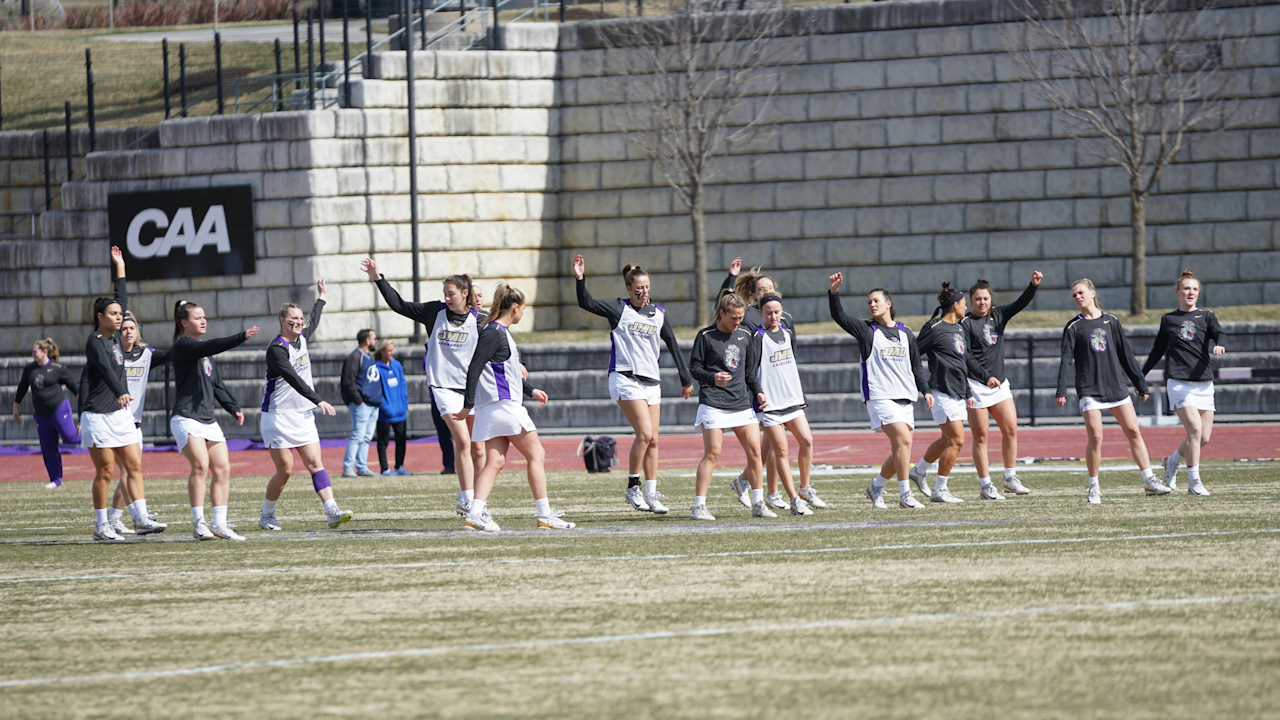
In 2025, elite athletes across disciplines from track and field to team sports and endurance events rely on a sophisticated blend of time-tested methods and cutting-edge innovations to push their limits. Training has evolved beyond simple volume and intensity into a data-informed, personalized science that balances performance gains with longevity and injury prevention. Professionals swear by techniques that optimize every aspect of preparation, from explosive power to mental resilience and smart recovery. Here is a comprehensive look at the top training techniques that dominate athletic programs this year.
1. Velocity-Based Training (VBT) for Precise Strength Development
Athletes and coaches in 2025 prioritize velocity-based training as a cornerstone of strength programs. Instead of relying solely on percentages of one-rep max or subjective effort, VBT uses linear encoders or smartphone apps to measure bar speed during lifts. This real-time feedback allows dynamic load adjustments based on daily readiness.
For example, if bar velocity drops below a target threshold during squats or bench presses, the athlete reduces weight to maintain quality and avoid fatigue accumulation. Olympic weightlifters, powerlifters, and football players report better power output and fewer stalled progressions with VBT. It prevents overtraining by signaling when to push or deload, making it especially valuable during heavy competition blocks. Progressive overload becomes smarter, focusing on intent and speed rather than just adding plates.
2. Hybrid Conditioning: Merging Strength and Endurance
Hybrid training, which combines heavy resistance work with endurance elements in the same session or program, has surged in popularity. Athletes no longer silo strength days from cardio days. Programs integrate compound lifts like squats and deadlifts with Zone 2 steady-state cardio or high-intensity intervals, building both muscular durability and aerobic capacity.
Runners, cyclists, and combat athletes embrace this approach for real-world performance. A typical session might feature heavy back squats followed by moderate-pace rowing or trail running. This method improves work capacity, enhances fat oxidation, and supports longevity by strengthening joints and connective tissue. Coaches note that hybrid protocols reduce injury risk compared to pure high-volume endurance work while delivering superior gains in overall athleticism.
3. Plyometrics and Explosive Power Drills
Plyometric training remains a non-negotiable for athletes seeking speed and agility. Box jumps, depth jumps, bounding, and medicine ball throws train the stretch-shortening cycle, allowing muscles to store and release energy rapidly. In 2025, these drills are programmed with greater precision, often paired with force plates to measure ground contact time and power metrics.
Sprinters and basketball players swear by progressive plyo sequences that start with low-intensity extensive jumps for volume and progress to intensive height-focused efforts. When combined with Olympic lifts, plyometrics translate gym strength into on-field explosiveness. Coaches emphasize proper landing mechanics to protect joints, making plyometrics safer and more effective than ever.
4. Speed and Agility Training with Mechanical Breakdowns
Speed work has become highly technical. Athletes break acceleration, top-end speed, and deceleration into isolated drills using resisted sprints (sleds or bands), assisted sprints (downhill or overspeed towing), and agility ladders or cone patterns. Timing gates provide instant split times for 10-yard or 30-yard segments, allowing targeted improvements.
Football prospects preparing for combines and soccer players alike dedicate specific days to mechanics: arm drive, posture, and foot strike. Short, high-quality sessions replace long tempo runs for many team-sport athletes. This approach yields measurable gains in first-step quickness and change-of-direction ability without excessive fatigue.
5. Blood Flow Restriction (BFR) Training for Efficient Hypertrophy and Recovery
Blood flow restriction training has moved from rehabilitation niches into mainstream elite programs. Athletes wrap cuffs around the upper arms or thighs to partially restrict venous return during low-load exercises, creating a high-metabolic stress environment that drives muscle growth and strength with lighter weights.
Studies and athlete feedback in 2025 show BFR enhances hypertrophy while reducing joint stress, making it ideal during deload weeks or when returning from injury. Some protocols combine BFR with high-intensity intervals, boosting both anaerobic power and aerobic capacity in endurance athletes. Users report faster recovery between sessions and preserved muscle mass during lighter training phases. Proper cuff pressure (typically 50-70 percent of arterial occlusion) and professional guidance prevent risks.
6. High-Intensity Interval Training (HIIT) with Modern Twists
HIIT continues to evolve with shorter, more specific bursts tailored to sport demands. Athletes perform repeated 15-30 second efforts at or above maximal aerobic power, often with incomplete recovery. When paired with BFR or sport-specific movements, HIIT delivers outsized improvements in sprint performance and VO2 max with less total time commitment.
Endurance athletes integrate HIIT sparingly to avoid interference with aerobic base building, while team-sport competitors use it to mimic game intensities. The key in 2025 is individualization: wearables dictate exact intervals based on daily heart rate variability and readiness.
7. Data-Driven Personalization via Wearables and AI
Wearable technology ranks as a dominant force in athletic training. Devices track heart rate variability, sleep quality, training load, muscle oxygenation, and even sweat biomarkers. AI algorithms process this data to prescribe adjustments in real time, flagging when an athlete should train harder, recover, or modify volume.
Professional teams and individual athletes use platforms that integrate velocity data, GPS metrics, and subjective wellness scores. This prevents overtraining and optimizes peaking for competitions. AI coaches suggest personalized programs that adapt weekly, offering gains in strength and performance that static plans cannot match. Human oversight remains essential, but data removes much of the guesswork.
8. Advanced Recovery Protocols as a Training Priority
Recovery is no longer an afterthought but a core training technique. Athletes prioritize sleep optimization, cold-water immersion, pneumatic compression, and active modalities like yoga or light cycling. Breathwork, including diaphragmatic breathing and box breathing patterns, shifts the nervous system into parasympathetic mode faster, accelerating repair and reducing stress hormones.
Many incorporate mindfulness or short meditation sessions to manage cortisol and improve focus. Nutrition timing, including targeted protein and carbohydrate intake around sessions, complements these methods. Programs that treat recovery with the same rigor as workouts consistently produce athletes who sustain high performance across long seasons.
9. Mental Conditioning and Visualization Techniques
Elite performers dedicate time to psychological skills. Visualization, or mental rehearsal, activates the same neural pathways as physical practice, improving coordination, confidence, and emotional control under pressure. Athletes mentally run through competitions in vivid detail, engaging all senses.
Positive self-talk, goal setting with SMART criteria, and mindfulness practices build resilience. Breath control during high-stress moments prevents performance anxiety. Mental training apps and guided sessions have become standard, helping athletes maintain focus during grueling training blocks or critical competitions.
10. Periodization and Progressive Overload Done Intelligently
Classical periodization, with built-in phases for base building, strength accumulation, power development, and peaking, remains foundational. In 2025, it is enhanced by real-time data to make transitions more fluid. Progressive overload incorporates tempo variations, proximity to failure, and velocity metrics rather than linear weight increases alone.
This smarter approach minimizes plateaus and injury while maximizing adaptation. Sport-specific blocks ensure that general strength transfers to on-field demands.
Implementing These Techniques for Long-Term Success
Athletes who excel in 2025 combine multiple methods rather than chasing isolated fads. A typical weekly structure might include VBT-focused lifting, plyometric and speed sessions, hybrid conditioning, strategic HIIT, and dedicated recovery days monitored by wearables. Consistency in basics, such as compound movements, proper nutrition, and sleep, underpins everything.
Beginners should start with foundational strength and movement quality before layering advanced tools like BFR or AI analytics. Consulting qualified coaches ensures safe execution, especially with techniques involving cuffs or high-intensity efforts. The common thread among top athletes is treating training as a holistic system where every element, physical and mental, supports sustainable peak performance.
As sports science advances, these techniques will likely refine further, but the principles of specificity, progression, and recovery will endure. Athletes who master this balanced, evidence-informed approach position themselves for breakthroughs in 2025 and beyond.