

In early 2026, searches for the term “capsule wardrobe” reached their highest point in five years, with worldwide interest spiking by 89 percent in January alone and queries for “how to build a capsule wardrobe” jumping a full 100 percent the previous December. Fashion blogs report sustained traffic to guides on interchangeable outfits and timeless styling formulas. Influencers on TikTok and Instagram share seasonal edits of 10 to 30 pieces that promise endless combinations without new purchases. What began as a niche concept from the 1970s has roared back into the mainstream, embraced by Gen Z underconsumption enthusiasts, busy professionals, and sustainability advocates alike. People are not merely decluttering closets; they are rethinking their relationship with clothing in an era of climate anxiety, economic pressure, and digital overload. The capsule wardrobe offers a quiet rebellion against fast fashion excess, promising simplicity, versatility, and purpose in every garment.
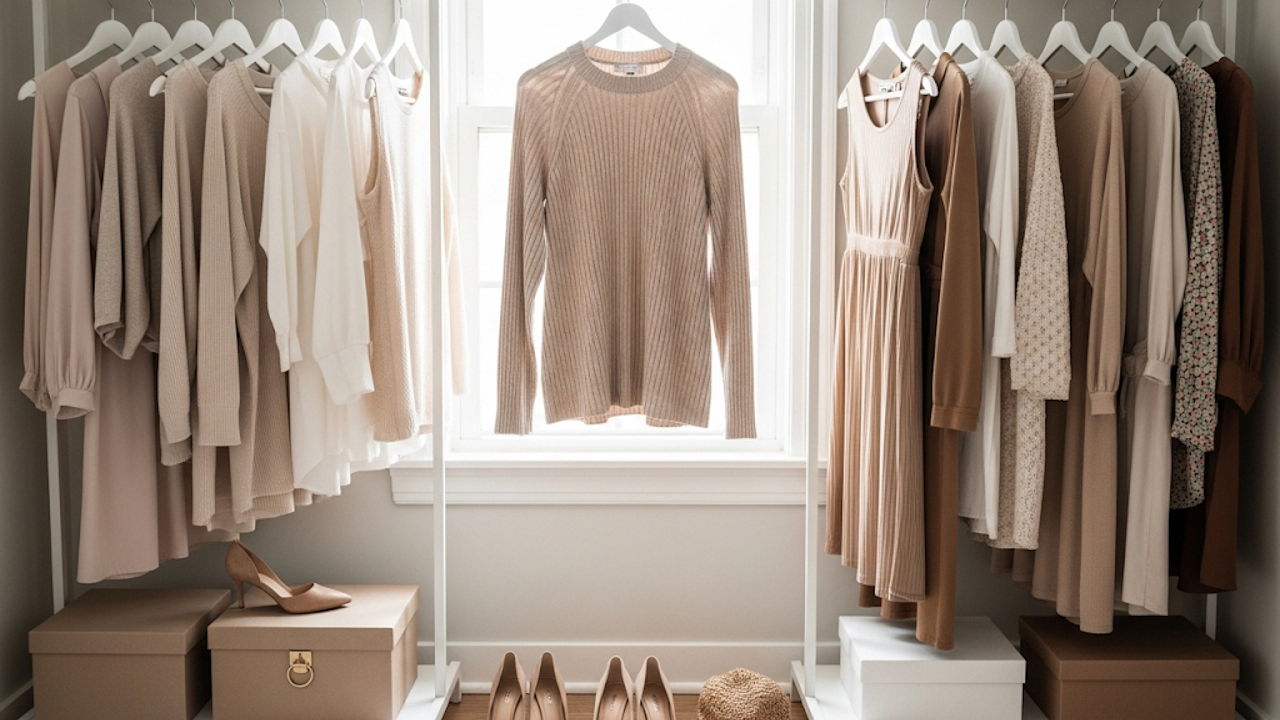
A capsule wardrobe is a tightly edited collection of clothing, usually between 30 and 50 high-quality pieces per season, designed for maximum mix-and-match potential. Core items such as neutral trousers, crisp button-down shirts, versatile blazers, and quality knitwear form the foundation. These pieces coordinate across colors, usually in a limited palette of neutrals or soft tones, allowing dozens of outfits from a small number of garments. Seasonal accents like a lightweight scarf or transitional jacket rotate in without bloating the collection. The goal is not restriction for its own sake but intentionality: every item earns its place by being wearable, durable, and flattering. Unlike a full closet bursting with one-off trends, a capsule delivers reliability and creativity through limitation. Practitioners report that getting dressed becomes effortless, decision fatigue vanishes, and the daily question of “what should I wear” turns into a satisfying exercise in curation.
The idea traces its roots to Susie Faux, a London boutique owner who coined the phrase in the 1970s. Faux ran a shop called Wardrobe in the West End and noticed that professional women struggled with the pressure of constantly updating their wardrobes to compete in male-dominated workplaces. Men relied on a simple uniform of suits and ties; women faced endless trend chasing that drained time, money, and mental energy. Faux advocated for a core set of timeless, interchangeable pieces that could be supplemented with a few seasonal items. Her approach empowered women by freeing them from fashion whims and giving them a competitive edge through streamlined style. The concept gained wider traction in 1985 when designer Donna Karan launched her “Seven Easy Pieces” collection, a group of versatile workwear items that could be mixed to create varied looks for the modern professional woman. These foundational ideas simmered in fashion circles for decades, resurfacing periodically during economic downturns or minimalist movements, but they never quite dominated popular culture until recently.
The current obsession feels different because it aligns perfectly with the pressures of 2025 and 2026. Several converging forces have propelled capsule wardrobes from occasional blog fodder to a cultural phenomenon. First and foremost is sustainability. The fashion industry accounts for roughly 10 percent of global carbon emissions and generates massive textile waste through overproduction and short garment lifespans. Fast fashion cycles fueled by micro-trends on social media encourage consumers to buy cheap items that last only a few wears before landing in landfills. Capsule wardrobes counter this by championing fewer, better-made pieces crafted from durable materials like organic cotton, wool, or recycled fabrics. Studies show that people who adopt capsules report reduced laundry loads, less impulse buying, and a genuine drop in clothing-related waste. This shift reflects broader slow-fashion values: buying less and wearing more aligns personal style with planetary health. In an age when young consumers especially voice concern over environmental impact, the capsule offers a practical way to vote with one’s wallet without sacrificing self-expression.
Economic realities amplify the appeal. Inflation, rising living costs, and lingering effects of global uncertainty have made discretionary spending feel riskier. Why drop money on fleeting trends when a well-chosen blazer or pair of trousers can serve for years? Capsule enthusiasts invest in quality staples that retain value and appearance over time, often choosing ethical brands or secondhand options that stretch budgets further. The market for capsule-related products and services has grown steadily, with projections estimating the sector could reach billions in value by the early 2030s. Women, who represent about 60 percent of this market, drive much of the demand, seeking wardrobes that support hybrid work lives, family responsibilities, and personal style without constant replenishment. The result is a smarter, more mindful approach to consumption that feels empowering rather than punitive.
Social media has turbocharged the trend in ways earlier decades could not have imagined. Platforms like TikTok and Instagram teem with capsule wardrobe challenges, seasonal unboxings, and “10-piece wardrobe” experiments that rack up millions of views. Influencers such as Alex Collins and creators behind viral series like “Style Files” demonstrate how limited wardrobes can still deliver fresh, elevated looks day after day. Gen Z figures including Emma Chamberlain have publicly documented drastic closet purges, discarding up to 90 percent of their clothes to embrace underconsumption core, a mindset that values longevity over novelty. These videos do more than showcase outfits; they normalize the emotional satisfaction of owning less. Hashtags like #CapsuleWardrobe and #AntiTrendWardrobe trend alongside minimalist living content, turning what once felt like a private project into a communal movement. Even as micro-trends flicker in and out, capsule content stands apart by promising consistency and authenticity in a chaotic feed.
Lifestyle changes since the pandemic have also played a role. Remote and hybrid work reduced the need for expansive professional wardrobes filled with occasion-specific outfits. Many people now prioritize comfortable, versatile pieces that transition seamlessly from home office to evening plans or weekend errands. The mental load of managing overflowing closets feels heavier amid broader conversations about burnout and simplicity. Capsule wardrobes address this directly by eliminating “closet noise,” those items that require constant justification or never quite fit right. Practitioners describe a lighter emotional attachment to possessions and a clearer sense of personal style that emerges when excess is stripped away. Morning routines become calmer, laundry days shrink, and the satisfaction of wearing every item in rotation fosters appreciation rather than boredom.
Beyond practical gains, the psychological benefits run deep. Decision fatigue, a documented drain on willpower, lessens when choices narrow to a curated selection. Many adopters report improved body confidence because every garment flatters their shape and lifestyle rather than serving as a reminder of past sizes or failed trends. The process of building a capsule often includes a wardrobe audit, forcing honest conversations about what one truly needs and loves. This introspection spills into other areas of life, reinforcing values of intentionality and gratitude. In a culture that equates more with better, the capsule quietly asserts that enough is plenty. It reframes fashion as a tool for self-expression rather than a status competition or trend-chasing game.
Of course, no trend is without scrutiny. Some observers question whether capsule wardrobes truly deliver sustainability if the initial purge leads to donations that overwhelm charity systems or if the emphasis on neutrals discourages creative risk-taking. Others wonder if the approach suits everyone equally, particularly those whose jobs demand frequent formal or varied attire. Critics occasionally frame the obsession as a symptom of broader anxiety rather than a genuine solution, suggesting that curating down to essentials might reflect fatigue with consumer culture rather than mastery of it. Yet even these conversations keep the concept relevant, sparking thoughtful dialogue about balance. Most enthusiasts counter that capsules are not rigid rules but flexible frameworks adaptable to individual circumstances, with room for personality through accessories, color accents, or occasional statement pieces.
Building a capsule wardrobe follows a straightforward yet transformative process. Start with a full closet audit: lay everything out and categorize items into love, like, and discard piles. Ask honest questions about fit, wear frequency, and versatility. Choose a color palette, often anchored in neutrals such as black, white, beige, navy, and gray, then add one or two accent hues that reflect personal taste. Identify core categories: bottoms, tops, outerwear, dresses, shoes, and accessories. Aim for pieces that layer well and suit your climate and daily activities. Invest in quality where it counts, such as a tailored blazer or durable jeans, and source ethically when possible. Once assembled, test the collection by creating outfits for a typical week. Gaps become obvious, and refinements follow. Many people maintain two seasonal capsules, swapping items as weather shifts while keeping the total count low. Resources like online guides, YouTube tutorials, and influencer templates make the process accessible even for beginners.
Real-world examples illustrate the concept’s staying power. Busy parents share how a 20-piece capsule simplifies school runs and work calls alike. Corporate professionals praise the confidence that comes from knowing every combination looks polished. Creative types layer capsule basics with unique jewelry or scarves to keep looks artistic without excess. In 2026, fashion publications highlight 2026 staples such as structured jackets, wide-leg trousers, soft blouses, and timeless outerwear that promise longevity beyond fleeting trends. Influencers post monthly recaps of their most-worn items, proving that repetition breeds style rather than staleness. Even high-profile figures quietly adopt elements of the philosophy, favoring repeat outfits that signal self-assurance over novelty.
Looking ahead, the capsule wardrobe seems poised to endure because it solves timeless problems in a contemporary context. As micro-trends continue their dizzying pace and environmental accountability grows more urgent, the appeal of intentional dressing only strengthens. It is not about deprivation but liberation: freedom from clutter, financial waste, and the pressure to constantly reinvent oneself through purchases. In reclaiming control over closets, people reclaim agency over their time and values. The resurgence reflects a deeper cultural pivot toward mindfulness in consumption, where style serves life rather than the other way around.
Ultimately, the obsession with capsule wardrobes reveals a collective yearning for balance. In a world overflowing with options, the power lies in choosing fewer, better things that truly matter. Whether one adopts a strict 10-piece challenge or a more generous 40-item rotation, the principle remains the same: thoughtful curation creates space for creativity, sustainability, and joy. As search volumes climb and more voices join the conversation, it becomes clear that this is no passing fad. Capsule wardrobes are a quiet revolution in how we dress, live, and relate to the things we own, and their moment has arrived once more with renewed urgency and relevance.