

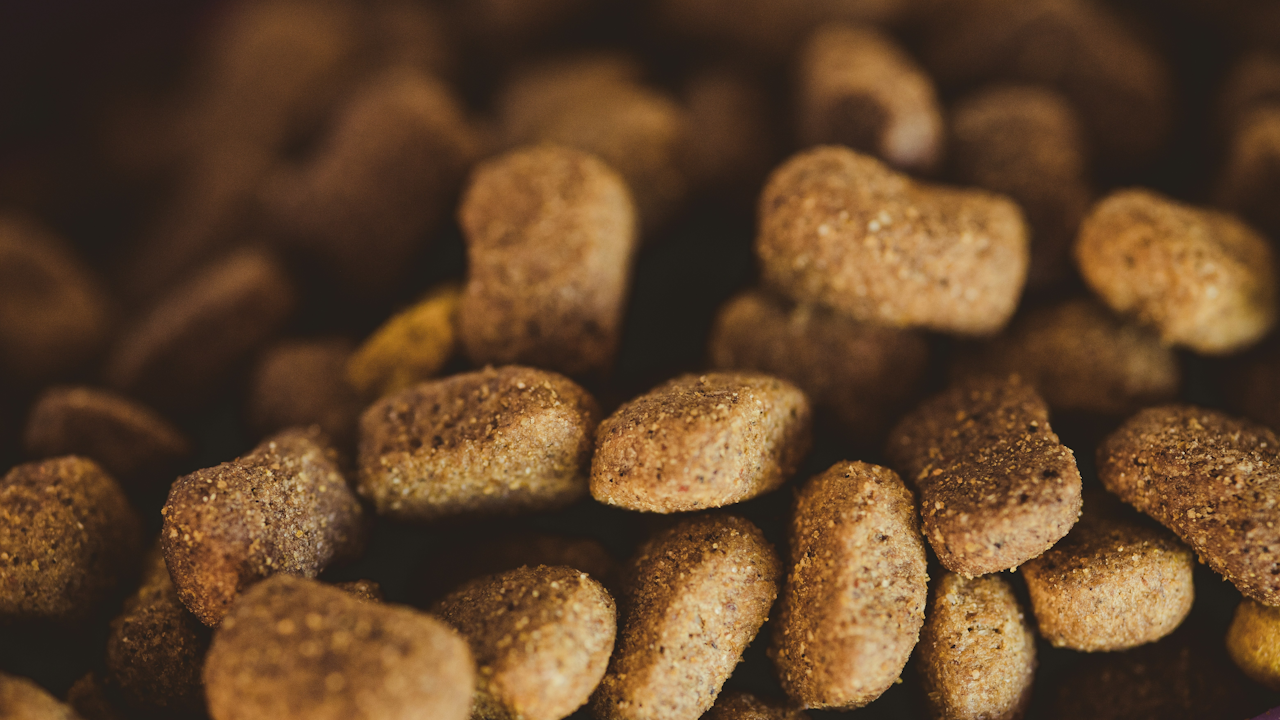
The trend of preparing homemade or DIY pet food has grown steadily among dog and cat owners who want greater control over what their animals eat. Many pet parents seek fresher ingredients, avoidance of commercial additives, or tailored meals for pets with allergies, sensitivities, or specific health conditions. While the idea of cooking for a beloved companion appeals to those who value whole foods and transparency, questions persist about whether such diets are truly safe or carry hidden dangers. This article explores the potential benefits, significant risks, common pitfalls, and practical considerations of DIY pet food, drawing on veterinary insights and research findings.
Why Pet Owners Turn to Homemade Diets
Pet owners often cite several motivations for switching to DIY food. Commercial pet foods, while convenient and regulated, sometimes raise concerns about ingredient sourcing, processing methods, or perceived fillers. Homemade meals allow customization, such as excluding common allergens like certain grains or proteins. For pets with medical issues, including chronic kidney disease, gastrointestinal problems, or dermatological conditions, a tailored diet can address specific needs that standard foods might not fully meet.
Some owners report positive outcomes, such as shinier coats, improved energy levels, better digestion with smaller stools, or relief from symptoms in pets with allergies or sensitivities. In one study involving dogs with chronic enteropathy or skin issues, personalized and well-balanced homemade diets led to noticeable health improvements in a high percentage of cases. Fresh ingredients with higher moisture content can also enhance palatability, making meals more appealing to picky eaters. Additionally, preparing food at home can strengthen the bond between owner and pet, providing a sense of nurturing through daily meal preparation.
Cooked homemade diets may offer better digestibility for some animals compared to highly processed kibble. Owners can select high-quality proteins, vegetables, and grains while controlling portion sizes and calorie intake more precisely. For pets recovering from illness or surgery, temporary homemade options under veterinary supervision can provide gentle nutrition during transitions.
The Appeal of Control and Freshness
Unlike mass-produced foods, DIY recipes let owners choose organic or human-grade ingredients when possible. This transparency addresses worries about recalls or contamination in commercial supply chains. Proponents argue that whole foods retain more natural enzymes and nutrients than heavily processed alternatives, potentially supporting long-term wellness. In households with multiple pets or varying needs, homemade approaches allow batch variations tailored to each animal.
However, these perceived advantages only hold when the diet meets rigorous nutritional standards. Pets are not small humans, and their requirements for proteins, fats, vitamins, minerals, and specific amino acids differ substantially. Dogs and cats need balanced ratios that support growth, maintenance, reproduction, or senior health stages, depending on age, breed, size, and activity level.
Major Risks: Nutritional Imbalances
The primary concern with DIY pet food centers on nutritional adequacy. Multiple studies have examined published recipes for dogs and cats, revealing widespread deficiencies. One analysis of over 200 homemade dog food recipes found that only a small fraction met minimum essential nutrient recommendations, with most showing multiple shortfalls. A more recent study from the Dog Aging Project indicated that just 6 percent of examined homemade dog diets had the potential to be nutritionally complete according to established standards.
Common deficiencies include calcium, phosphorus, zinc, copper, vitamins D and E, choline, iron, and essential fatty acids. For cats, taurine stands out as critical, since deficiency can lead to heart disease or vision problems. In dogs, improper calcium-to-phosphorus ratios can cause skeletal issues, such as weakened bones or “rubber jaw” syndrome, where jawbones soften. Excesses pose equal dangers; too much vitamin A or fat-soluble vitamins can accumulate and cause toxicity.
Recipes sourced from books, websites, or social media frequently lack precise measurements, fail to specify portion sizes for different pet weights or life stages, or omit critical supplements. Even recipes authored by veterinarians sometimes fall short compared to those developed by board-certified veterinary nutritionists. Owners who improvise by adding table scraps or adjusting ingredients without guidance compound these problems. Substitutions, such as swapping one vegetable or oil for another, can drastically alter calorie density or nutrient profiles, rendering an otherwise planned diet incomplete.
Long-term feeding of unbalanced diets has been linked to health complications, including immune dysfunction, musculoskeletal abnormalities, organ stress, and reduced lifespan. Pets with pre-existing conditions face heightened risks, as deficiencies can worsen symptoms or delay recovery. Regular bloodwork and veterinary monitoring become essential to detect issues before they become severe, but many owners overlook this step.
Food Safety and Contamination Concerns
Beyond nutrition, DIY pet food introduces food safety challenges. Improper handling, storage, or preparation can lead to bacterial contamination. Raw meat-based diets carry elevated risks of pathogens like Salmonella, E. coli, Listeria, and Campylobacter. Studies have shown raw pet foods are more likely to harbor these bacteria than cooked commercial options. Pets consuming contaminated raw food may develop gastrointestinal illness, while owners risk exposure through handling, cross-contamination in kitchens, or contact with feces.
The Centers for Disease Control and Prevention and the Food and Drug Administration advise against raw diets due to these zoonotic risks, which can affect vulnerable household members such as children, elderly individuals, or immunocompromised people. Even cooked homemade meals require careful hygiene: thorough cooking to proper internal temperatures, prompt refrigeration, and avoidance of prolonged storage to prevent spoilage.
Toxic ingredients pose another hazard. Many human foods safe for people, including onions, garlic, grapes, raisins, chocolate, xylitol, and macadamia nuts, can harm dogs or cats. Avocado, certain nuts, and raw bones also present dangers. Bones in raw diets risk splintering, causing choking, intestinal blockages, or dental fractures. Parasites in undercooked or raw meats add further complications.
Storage and batch preparation demand attention. Homemade food lacks commercial preservatives, so it spoils faster and requires freezing or refrigeration with strict date tracking. Cross-contamination during chopping or mixing can spread bacteria from raw proteins to vegetables or grains.
Raw Versus Cooked Homemade Diets
Raw feeding enthusiasts claim benefits like preserved enzymes, better dental health from chewing, or more natural digestion. However, scientific evidence supporting superior health outcomes remains limited, while safety data highlights consistent risks. Cooking kills harmful bacteria and parasites without necessarily destroying all nutritional value when done properly. Gently cooked diets can retain palatability and moisture while minimizing pathogen exposure.
Veterinary organizations generally recommend cooked over raw for homemade preparations. Freeze-drying or other minimal processing does not fully eliminate risks associated with raw ingredients. For owners committed to raw, strict sourcing from reputable suppliers, thorough grinding of bones if used, and rigorous hygiene practices are non-negotiable, though experts still caution against it.
Regulatory Standards and Commercial Comparisons
Commercial pet foods must meet nutritional adequacy standards set by the Association of American Feed Control Officials (AAFCO). Labels indicating “complete and balanced” for specific life stages reflect either formulation to nutrient profiles or successful feeding trials. While not perfect, these foods undergo testing for consistency and safety. Homemade diets lack such oversight unless formulated professionally.
High-quality commercial options provide reliable baselines, with some owners using homemade meals as occasional toppers limited to 10 percent or less of daily calories to avoid unbalancing the primary diet. Veterinary nutritionists emphasize that even well-intentioned homemade efforts rarely match the precision of formulated commercial products without expert input.
Common Mistakes to Avoid
Several recurring errors undermine DIY efforts:
- Relying on unverified online or book recipes without professional review.
- Omitting or altering supplements, which often supply missing vitamins, minerals, and amino acids.
- Frequent ingredient substitutions that disrupt nutrient ratios or calorie balance.
- Failing to account for life stage, breed size, activity level, or medical conditions.
- Inconsistent preparation or portioning, leading to over- or under-feeding.
- Neglecting regular veterinary check-ups, including blood tests to monitor nutrient levels.
Time and cost also factor in. Sourcing quality ingredients, preparing batches, and cleaning up can consume significant daily effort and expense, sometimes exceeding commercial alternatives when supplements and veterinary consultations are included.
Making DIY Pet Food Safer: Best Practices
If pursuing homemade diets, consultation with a board-certified veterinary nutritionist is the gold standard. These specialists use software to formulate recipes meeting AAFCO or National Research Council guidelines tailored to individual pets. Strict adherence to the recipe, including exact supplement amounts and cooking methods, is mandatory. No ingredient should be deemed optional.
Start with a complete diet history review during veterinary visits. Monitor weight, energy, coat quality, stool consistency, and overall health. Periodic lab work can catch imbalances early. For medical conditions, therapeutic homemade diets require even closer supervision.
Combine approaches when appropriate: use a complete commercial base with limited fresh additions, or transition gradually while observing responses. Educate household members on safe handling to prevent accidental exposure to raw components or toxins.
The Balanced Perspective
DIY pet food offers customization and freshness that appeal to caring owners, with some pets thriving on properly formulated versions. Yet evidence consistently shows that most homemade diets, especially those created without expert guidance, fall short nutritionally and introduce safety risks. Studies repeatedly document deficiencies in the vast majority of popular recipes, alongside contamination hazards in raw preparations.
Ultimately, safety depends on rigorous planning, professional oversight, and ongoing monitoring rather than good intentions alone. Commercial foods provide a tested foundation for most healthy pets, while homemade options suit specific cases under veterinary direction. Pet owners considering DIY should weigh the commitment against potential pitfalls and prioritize evidence-based decisions to support long-term health.
Responsible pet nutrition requires balancing enthusiasm for fresh cooking with recognition of biological complexities. Consulting qualified professionals ensures that efforts to nurture through food truly benefit rather than endanger furry family members. Regular dialogue with veterinarians remains the most reliable path to informed choices in an evolving landscape of pet feeding options.