

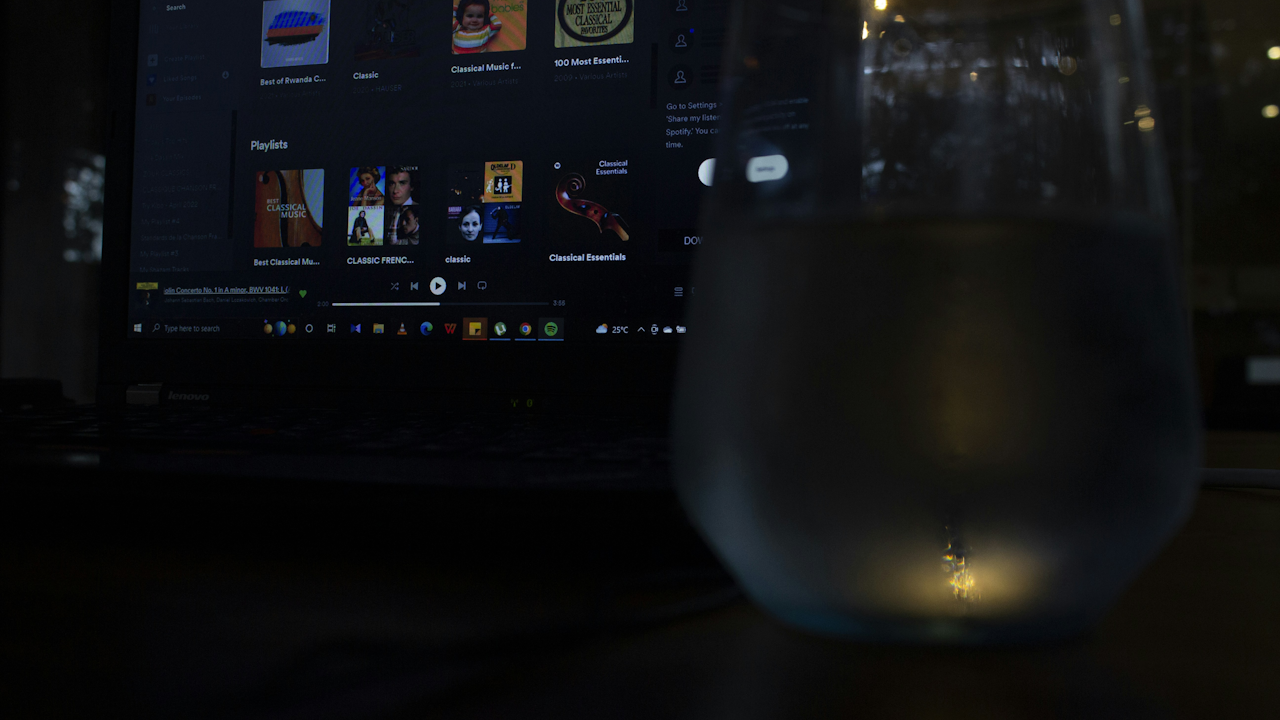
In the early 2000s, discovering new music often meant flipping through vinyl racks at a local record store, tuning into late-night radio shows, or swapping mixtapes with friends. Word of mouth carried the weight of recommendation, and serendipity ruled. Fast forward to 2026, and the landscape has shifted dramatically. Music no longer waits to be found. Instead, it arrives unbidden through personalized feeds, algorithmic playlists, and viral short-form videos. Streaming platforms and social media have placed powerful recommendation engines at the center of how billions of listeners encounter new tracks every day. This transformation, driven by sophisticated algorithms, has democratized access in unprecedented ways while raising questions about diversity, creativity, and the very nature of musical taste. As streaming accounts for the vast majority of industry revenue, understanding music discovery in the age of algorithms is essential to grasping the future of the art form itself.
The evolution of music discovery traces back through several distinct eras. Before digital technology, radio DJs and music journalists acted as gatekeepers, curating what reached the masses. Independent scenes thrived in underground clubs and fanzines, with physical media like cassettes and CDs creating tangible connections between artists and fans. The rise of the internet in the late 1990s introduced file sharing and early recommendation sites, but it was the launch of streaming services around 2008 that accelerated the change. Platforms like Spotify, Apple Music, and YouTube Music aggregated vast catalogs containing hundreds of millions of tracks, making nearly every song ever recorded instantly available. Yet abundance created its own problem: how could listeners navigate this ocean of content without getting overwhelmed? Algorithms stepped in as the solution, promising to deliver the right song at the right moment based on data rather than guesswork.
At their core, modern music recommendation systems rely on a blend of techniques refined over more than a decade. Collaborative filtering forms one pillar. This method analyzes patterns across millions of users to identify similarities. If listeners who enjoy a particular indie rock band also stream a rising electronic artist, the system flags that connection and suggests the new track to others in the group. Content-based filtering complements this by examining the music itself. Streaming services extract dozens of audio features from each track using machine learning models trained on spectrograms and waveforms. These include danceability, which measures how suitable a song is for dancing based on rhythm and beat strength; valence, indicating musical positiveness or happiness; energy levels; tempo in beats per minute; acousticness; instrumentalness; speechiness; and loudness. Natural language processing scans lyrics, album descriptions, reviews, and social media mentions to add contextual layers. Hybrid models combine all these elements, while behavioral signals such as skip rates, save actions, repeat plays, and completion percentages refine predictions further. The result is a dynamic system that learns continuously from user interactions.
Spotify’s Discover Weekly playlist exemplifies this machinery in action. Launched more than a decade ago, it delivers a fresh set of 30 songs every Monday tailored to each user’s listening history and tastes shared with similar listeners. The playlist draws from collaborative filtering to find tracks that match your profile, audio analysis to match sonic qualities, and behavioral data to prioritize songs likely to hold attention. Release Radar, another Spotify feature, highlights new music from artists a user already follows. Daily Mixes blend familiar favorites with subtle variations. By 2026, these tools have grown more conservative. Platforms prioritize listener retention above aggressive novelty, favoring tracks with strong replay value and low skip rates. Early hooks, repeatable choruses, and structures optimized for short attention spans often perform better in algorithmic testing phases.
TikTok has emerged as perhaps the most disruptive force in music discovery during this decade. Unlike traditional streaming, the platform’s For You Page algorithm surfaces content based on immediate engagement signals from video creations, duets, and comments. A 15-second clip of a song’s chorus paired with a dance challenge or relatable meme can propel an unknown track to global charts within days. In 2025 alone, TikTok users saved billions of tracks via the Add to Music App feature, which seamlessly transfers discoveries to streaming services. Data shows that a significant portion of Billboard hits in recent years gained initial traction on the platform first. For Gen Z listeners aged 16 to 24, TikTok ranks as the top source for finding new music, far outpacing radio or friends. The short-form format rewards sonic qualities that translate quickly: memorable hooks, distinct vocal textures, and high energy. Viral success here often triggers a cascade effect, with algorithms on Spotify and Apple Music detecting cross-platform momentum and amplifying exposure through radio stations and personalized mixes.
Other platforms contribute their own innovations. YouTube Music leverages video watch history and search behavior for recommendations. Apple Music emphasizes human-curated playlists alongside algorithmic ones, offering a hybrid experience that appeals to users wary of pure automation. Amazon Music and Deezer incorporate voice assistant data and contextual cues, such as time of day or activity type, to suggest mood-appropriate tracks. Across all services, the emphasis has shifted toward passive consumption. Algorithms now predict not just what users might like but what will keep them engaged longer on the platform, sometimes recycling familiar sounds rather than venturing into uncharted territory.
The benefits of this algorithmic era are substantial and often overlooked amid criticism. Personalization has made music more accessible than ever. Listeners no longer need deep genre knowledge or extensive time investment to find sounds that resonate. Niche artists in micro-genres, from hyperpop to lo-fi beats, reach dedicated audiences without traditional label support or radio play. Independent musicians have reported breakthroughs when algorithmic playlists pick up their tracks, leading to organic growth through saves and shares. Global reach has expanded dramatically. A bedroom producer in a small European town can gain streams in Brazil or Indonesia if the audio features align with popular regional tastes. Data-driven insights also empower artists. Streaming analytics reveal listener demographics, peak engagement moments, and geographic hotspots, allowing more strategic touring and marketing. Overall, streaming has sustained industry growth even as physical sales declined, with subscription revenue climbing steadily into 2026.
Social media integration has further amplified these advantages. User-generated content on TikTok or Instagram Reels turns passive listeners into active participants who co-create trends. A single viral video can elevate an unsigned artist to chart success, bypassing gatekeepers entirely. This democratization has fostered diversity in some respects, surfacing voices from underrepresented regions or experimental scenes that traditional media might ignore. For casual fans, the frictionless experience encourages broader exploration within their comfort zones, turning music into a constant companion during commutes, workouts, or relaxation.
Yet the drawbacks have become increasingly apparent, sparking debate among artists, listeners, and industry analysts. One major concern is the formation of echo chambers. Algorithms excel at reinforcing existing preferences, serving more of what users already enjoy while filtering out challenging or unfamiliar material. This reduces serendipity and can limit exposure to diverse genres or perspectives. Popularity bias compounds the issue. Systems often require a track to achieve initial traction, such as a threshold of saves or completion rates, before widespread recommendation. As a result, already-popular songs receive disproportionate boosts, concentrating streams among a tiny fraction of the catalog. Research indicates that a small percentage of tracks account for the majority of plays, leaving the long tail of independent music struggling for visibility.
Homogenization presents another risk. Artists and producers increasingly optimize releases for algorithmic success. Songs feature early choruses, repetitive structures, and production choices that maximize danceability or valence scores. Release strategies focus on consistent drops timed for playlist updates rather than artistic cycles. This platform-friendly approach can stifle innovation, as creators chase data signals over pure expression. Gender and demographic biases have also surfaced in studies of recommendation systems. Some algorithms tend to favor male artists in top suggestions, reflecting imbalances in training data and historical consumption patterns. Listeners in certain regions or with specific tastes may encounter skewed recommendations that overlook local talent or emerging scenes.
Privacy concerns add another layer. To function effectively, algorithms collect extensive behavioral data, including skips, saves, location, and even device usage. While this personalization delights many, it raises questions about surveillance and data ownership. Fraud remains a persistent challenge. Artificial streams and bot activity distort signals, prompting platforms to deploy sophisticated detection methods that sometimes penalize legitimate new artists with low initial engagement. By 2026, services have intensified efforts to tag and limit AI-generated tracks, which often flood catalogs with low-quality content and undermine discovery quality.
From the artist’s perspective, the algorithmic age demands new skills beyond songwriting and performance. Success now hinges on understanding engagement metrics, crafting metadata, and building initial momentum through social media or paid promotion. Playlist placements can generate life-changing streams, but dependency on opaque systems creates vulnerability. Many independent creators describe a cycle of testing tracks in small audiences before algorithmic push, with saves and return listens serving as the strongest signals for expansion. Major labels leverage data science teams to predict and game these systems, widening the gap between signed and unsigned acts. Yet some artists thrive by treating algorithms as collaborators, experimenting with sonic siblings that match popular tracks without losing identity.
Culturally, this shift influences shared experiences. Radio once unified listeners around common hits, fostering collective moments. Algorithmic personalization fragments this landscape into millions of private soundtracks. While global virality on TikTok can still create massive cultural phenomena, everyday discovery feels increasingly solitary. Micro-genres proliferate as algorithms slice audiences into ever-finer clusters, enriching subcultures but potentially isolating them. Younger generations report discovering music primarily through platforms rather than live events or peers, altering how fandoms form and evolve.
Looking ahead to the remainder of the decade and beyond, several trends point to further evolution. Artificial intelligence will play an even larger role, not only in recommendations but in music creation itself. Generative tools could produce personalized tracks on demand, tailored to mood or activity detected by wearables. Context-aware systems might integrate with smart homes or vehicles for seamless, adaptive playlists. Hybrid approaches combining algorithmic precision with human curation could restore balance. Some platforms already experiment with user controls, such as genre sliders or serendipity modes that intentionally introduce variety. Transparency initiatives, including explanations of why a track appears in a feed, may address trust issues. Ethical considerations around bias mitigation and artist compensation will likely drive regulatory discussions.
Ultimately, algorithms have transformed music discovery into a more efficient, personalized, and scalable process. They connect listeners to sounds they might never encounter otherwise and provide opportunities for creators worldwide. Yet the technology works best as a tool rather than a sole arbiter. Human curation, active exploration, and community recommendations retain irreplaceable value. Listeners who occasionally step outside algorithmic comfort zones, whether by attending live shows, browsing independent labels, or simply shuffling random catalogs, often report richer experiences. As the industry navigates stalled growth in some streaming segments and debates over AI integration, the core challenge remains striking a balance. Music discovery should empower curiosity rather than merely confirm it. In an era where technology shapes taste so profoundly, preserving space for the unexpected ensures that music continues to surprise, connect, and evolve as a deeply human endeavor. The algorithms may guide the way, but the joy of finding something truly new still belongs to the listener willing to venture beyond the feed.