

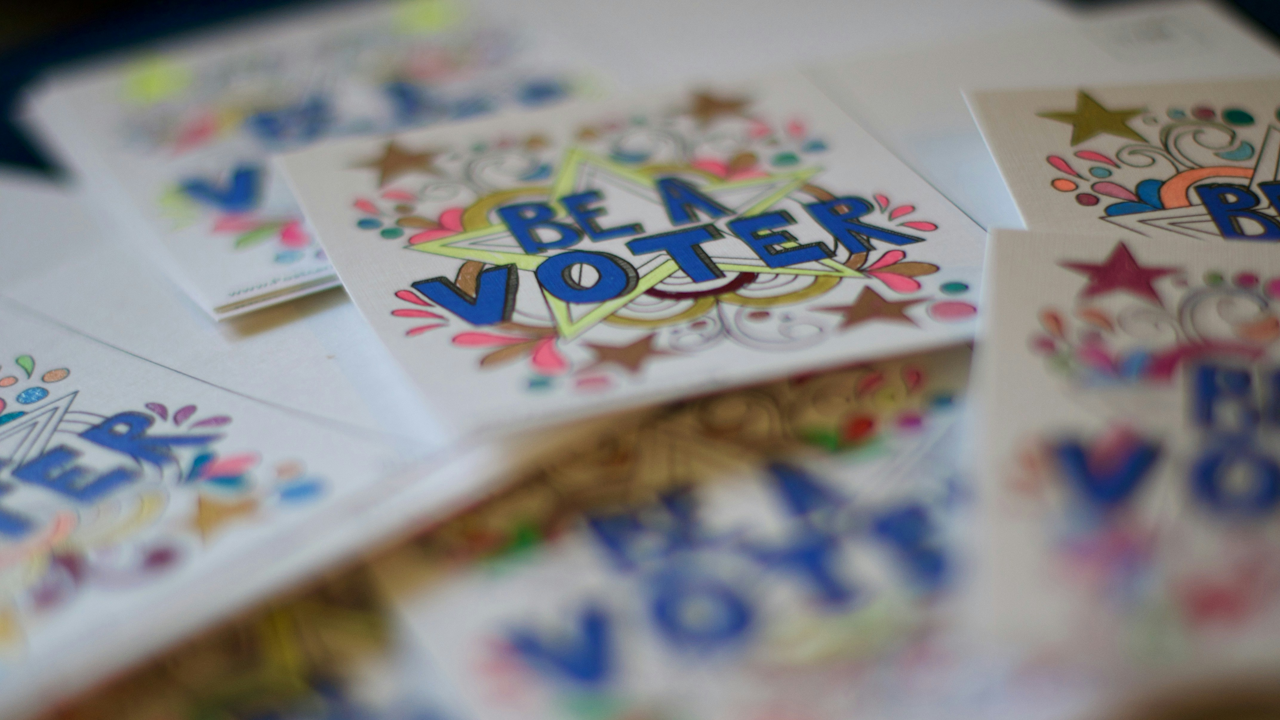
Generation Z, the cohort born roughly between 1997 and 2012, has arrived as a decisive force in American elections. With more than 41 million eligible voters in 2024 and their numbers growing rapidly, these young Americans are no longer on the sidelines. Even as overall youth turnout dipped slightly from record highs, Gen Z demonstrated its ability to influence outcomes in tight races through concentrated participation in battleground states and shifting preferences that forced both major parties to recalibrate. The 2024 presidential election offered a clear window into this power: while turnout among voters ages 18 to 29 reached an estimated 47 percent, a figure revised upward from early exit-poll data and only modestly below the 50 percent achieved in 2020, the group still delivered a narrow edge to Vice President Kamala Harris over former President Donald Trump. That four-point margin, down dramatically from the 25-point advantage young voters gave President Joe Biden in 2020, marked the strongest Republican performance among youth since 2008 and underscored how even modest swings within this demographic can tip scales in an era of polarized, high-stakes contests.
This influence extends far beyond presidential cycles. Gen Z and the slightly older Millennials together are poised to form roughly half the electorate by the end of the decade, reshaping not only who wins but what issues dominate platforms. Their voting patterns reflect a generation forged by economic uncertainty, technological immersion, social upheaval, and existential threats such as climate change and gun violence. Yet turnout remains uneven, and barriers persist. Understanding Gen Z’s voting power requires examining its demographics, historical context, recent electoral impact, driving issues, mobilization tactics, and the challenges that still limit its full potential.
Defining the cohort helps explain its potency. Gen Z is the most racially and ethnically diverse generation in U.S. history, with people of color making up about half of its eligible voters. Many entered adulthood during the Great Recession’s aftermath, the COVID-19 pandemic, and an era of rapid social change amplified by smartphones and social media. These experiences have produced a pragmatic yet idealistic outlook: broad support for government intervention on issues like climate action and health care, coupled with deep skepticism toward institutions that seem unresponsive to everyday economic pressures. Unlike previous generations, Gen Z navigates information ecosystems dominated by short-form video and peer-driven content, which accelerates both awareness and mobilization but also exposes fractures, such as the widening gender divide that emerged sharply in 2024.
Youth voting has long lagged behind older cohorts, but periodic surges reveal latent strength. The voting age was lowered to 18 in 1972 amid Vietnam War protests, yet turnout among young adults hovered in the low 30s or below for decades. The 2008 election, with its historic youth enthusiasm for Barack Obama, hinted at change. Then came the 2018 midterms, when youth turnout jumped to 36 percent nationally, the largest increase of any age group, fueled by March for Our Lives activism after the Parkland shooting and widespread opposition to Trump-era policies. Democrats flipped the House in part because young voters turned out in force in key districts. The 2020 presidential contest pushed youth participation to 50 percent, helping secure Biden’s victory in several battlegrounds. Even in the 2022 midterms, which historically see depressed turnout, young voters achieved the second-highest rate in nearly three decades at around 27 to 28 percent, providing crucial margins for Democratic wins such as John Fetterman’s Senate race in Pennsylvania and Gretchen Whitmer’s gubernatorial reelection in Michigan.
These patterns set the stage for 2024, when Gen Z’s influence manifested in both continuity and disruption. Final estimates placed youth turnout at 47 percent of eligible 18- to 29-year-olds, with stronger showings in competitive states such as Michigan (up four points from 2020), Pennsylvania (up two points), Georgia, North Carolina, and New Mexico. Early post-election analyses initially pegged participation at 42 percent based on exit polls, but aggregated voter-file data confirmed the higher figure. Still, the drop from 2020 reflected broader challenges, including voter fatigue after multiple high-turnout cycles and structural hurdles like inconsistent registration processes.
Vote choice revealed a more striking evolution. Young voters favored Harris by four to 11 points depending on the poll, a far cry from the robust Democratic margins of prior cycles. Within the 18-29 group, those ages 18-24 leaned more Democratic (Harris +10 points), while 25- to 29-year-olds tilted slightly toward Trump. The most pronounced cleavage emerged along gender lines. Young women supported Harris by margins as high as 24 points in some surveys, driven by concerns over reproductive rights post-Dobbs, health care, and gender equity. Young men, by contrast, split more evenly or even gave Trump a slight edge in certain datasets, with economic anxiety and cultural messaging resonating through platforms like podcasts and alternative media. This gender gap among youth mirrored and amplified national trends, contributing to Trump’s overall victory while highlighting how Gen Z is not monolithic.
Specific battleground dynamics illustrated swinging power. In states like Pennsylvania and Michigan, where youth turnout exceeded the national average, even small shifts among young voters in urban and suburban areas helped narrow what could have been wider Republican margins. First-time voters, many of them Gen Z, showed increased support for Trump compared with 2020, particularly on inflation and job concerns, yet overall youth support for the Democratic ticket remained the strongest of any age bracket. Exit polls consistently ranked the economy and inflation as the top issue for young voters, often cited by more than 60 percent, followed by abortion, climate change, and gun safety. These priorities forced campaigns to tailor outreach, with Harris emphasizing student debt relief and climate investments while Trump leveraged economic populism and appeals to traditional masculinity.
Mobilization efforts played a central role in harnessing this power. Organizations such as Rock the Vote and Voters of Tomorrow leveraged social media to register millions, deploying TikTok challenges, Instagram reels, and influencer partnerships that reached audiences traditional door-knocking could not. Campus groups, labor unions, and issue-based coalitions focused on abortion access after the 2022 Dobbs decision mobilized young women in particular. On the other side, conservative voices on YouTube and X cultivated support among young men disillusioned by perceived Democratic neglect of working-class issues. Digital-native tactics proved effective: preliminary data suggested higher engagement in states with aggressive online and peer-to-peer campaigns. Yet the persistent gap between online activism and actual ballots remained a hurdle, as turnout still trailed older generations by 15 to 20 points in many places.
Key issues continue to bind Gen Z voters even amid partisan shifts. Economic precarity tops the list, with skyrocketing housing costs, student debt exceeding $1.7 trillion nationally, and wage stagnation shaping views of government efficacy. Climate anxiety is acute; surveys show overwhelming belief in human-caused warming and demand for aggressive policy. Reproductive rights galvanized many after Roe v. Wade fell, while gun violence prevention resonates with a cohort that grew up with active-shooter drills. Broader concerns about democracy, mental health, and immigration also factor in, often cutting across party lines. Latino youth, a fast-growing segment, showed turnout drops in 2024 but remain pivotal in Sun Belt states. These shared priorities explain why Gen Z, despite the 2024 rightward nudge, still leans Democratic overall and why parties ignore them at their peril.
Challenges temper this potential. Structural barriers include voter ID laws that disproportionately affect young people without driver’s licenses, student IDs invalidated in some states, and frequent address changes due to college or job mobility. Registration rates lag, with many states seeing declines in 18- to 29-year-old registrations between 2020 and 2024. Economic pressures, such as gig-economy instability and high living costs, leave less time for civic engagement. Cynicism also plays a role; polls reveal fatalism about systemic change, with many young people viewing politics as broken regardless of party. Translating viral social media energy into sustained turnout requires ongoing investment, and the 2024 dip suggests complacency can set in after repeated high-profile cycles.
Gen Z’s electoral impact extends to policy and agenda-setting. Candidates now court youth on TikTok and address issues like climate and debt earlier in campaigns. In 2022, youth support helped block a broader Republican wave, preserving Democratic Senate control and limiting House gains. Similar dynamics played out in state races where young voters provided margins in suburbs and college towns. As the cohort ages into higher-turnout years, its influence will compound. By 2028, Millennials and Gen Z combined will likely surpass 50 percent of the voting-eligible population, with Gen Z alone projected to reach one-quarter of the electorate by 2030.
Looking ahead, early indicators for 2026 midterms suggest continued evolution. Post-2024 polls show young voters expressing dissatisfaction with both parties, yet Democrats maintain leads in congressional preference surveys among 18- to 29-year-olds. Gender dynamics persist, but economic performance under the new administration could further realign preferences. If Gen Z sustains or rebuilds turnout momentum, it could determine control of Congress and set the tone for 2028. Parties that fail to deliver tangible results on inflation, housing, climate, and rights risk alienating a bloc that votes not just on identity but on outcomes.
Ultimately, Gen Z’s voting power lies in its scale, diversity, and willingness to punish inaction. While not every election will see record youth participation, the concentration of their votes in pivotal districts and states, combined with demographic inevitability, makes them swing players. Campaigns ignore this reality at their own risk. Sustained civic education, barrier reduction, and responsive policymaking will determine whether Gen Z realizes its full democratic potential. In close contests that increasingly define American politics, the youth vote is not a footnote but a deciding chapter, written one ballot at a time by a generation determined to shape the future it will inherit.