

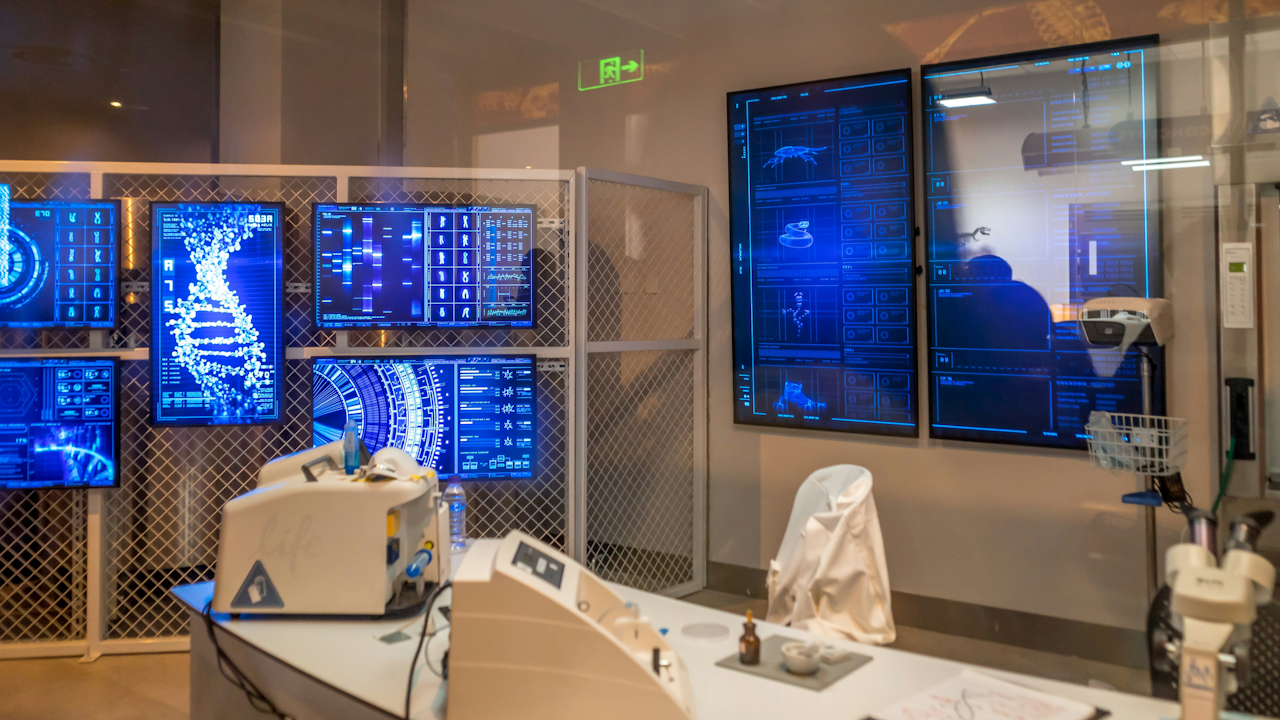
Biohacking has emerged as a vibrant and controversial movement that empowers everyday individuals to explore the frontiers of biology from the comfort of their own homes. At its core, DIY biohacking refers to the practice of conducting scientific experiments in biology without the oversight of traditional institutional laboratories. When focused on genetic experiments, this field intersects with advanced tools like CRISPR-Cas9, a gene-editing technology that allows precise modifications to DNA. Enthusiasts range from curious hobbyists and students to self-taught scientists seeking to democratize access to cutting-edge biotechnology. Yet this pursuit raises profound questions about safety, ethics, and the boundaries of personal experimentation. This article delves deeply into the world of at-home genetic experiments, examining their history, methods, notable examples, risks, legal frameworks, and potential futures. While the allure of tinkering with the building blocks of life is undeniable, responsible engagement demands a clear-eyed assessment of both opportunities and hazards.
The roots of DIY biohacking trace back to the early 2000s, when the convergence of affordable technology, open-source principles, and the internet fueled a grassroots revolution in biology. In 2008, the DIYbio organization was founded by enthusiasts Jason Bobe and Mackenzie Cowell, providing an online forum for sharing protocols and ideas. This marked the beginning of a community that sought to make biology as accessible as computer programming had become through hacker spaces. Community laboratories soon followed, with Genspace opening in New York in 2010 as the first dedicated citizen science biology lab, followed quickly by BioCurious in California and others across the United States and Europe. These spaces offered shared equipment and mentorship, allowing amateurs to perform experiments that once required university resources. Early projects involved simple genetic manipulations, such as extracting DNA from everyday items like strawberries or engineering bacteria to glow under ultraviolet light through the insertion of fluorescent proteins from jellyfish. The movement gained momentum with the advent of synthetic biology, where participants began designing novel biological systems using standardized genetic parts, much like building with Lego bricks. By the 2010s, the iGEM competition, originally for students but later including community lab tracks, highlighted how DIY approaches could contribute innovative solutions in areas like environmental sensing and biofuel production.
The game changer for at-home genetic experiments arrived with CRISPR-Cas9 in 2012. Discovered as a bacterial immune system, this tool functions like molecular scissors guided by RNA to target and edit specific DNA sequences. Its simplicity, low cost, and precision transformed genetic engineering from a specialized skill into something potentially doable in a garage or kitchen. Prior to CRISPR, genetic modifications relied on older methods like restriction enzymes or viral vectors, which were cumbersome and required extensive training. CRISPR democratized the process by enabling targeted cuts and repairs with relative ease. Biohackers quickly adopted it, shifting focus from observational biology to active genome rewriting. Today, commercial kits make entry-level genetic work feasible for those with minimal equipment. These kits typically include freeze-dried components such as Cas9 protein, guide RNA, template DNA, and non-pathogenic bacterial strains like E. coli variants that pose low risk under standard handling. Experiments often center on microbes because they grow rapidly, are easy to culture, and allow visible results on agar plates within hours or days.
Setting up an at-home genetic laboratory requires thoughtful preparation, though the barrier has lowered significantly. Basic setups might involve a clean workspace, an incubator for bacterial growth, a heat block or water bath for precise temperature control, and sterile techniques using alcohol wipes and gloves. More advanced hobbyists invest in tools like PCR machines for amplifying DNA or gel electrophoresis systems for verifying edits. However, many start with off-the-shelf kits that bundle all necessary reagents, eliminating the need for complex sourcing. A typical beginner experiment involves introducing CRISPR components into harmless bacteria to confer antibiotic resistance by editing a specific gene. The process demonstrates how Cas9 cuts the DNA at a guided location, and a repair template inserts a new sequence, resulting in colonies that survive on antibiotic-laced plates while unmodified ones do not. Variations include engineering yeast to express fluorescent proteins or altering metabolic pathways for novel traits. These activities teach core concepts in molecular biology, such as transformation, gene expression, and selection, without needing a full-scale lab.
One prominent figure in this space is Josie Zayner, a biophysicist and biohacker who founded The ODIN, a company specializing in educational genetic engineering kits. Zayner gained attention through public demonstrations, including self-experimentation with CRISPR aimed at muscle enhancement by targeting the myostatin gene. While such stunts sparked debate and highlighted the accessibility of the technology, Zayner later emphasized educational kits focused on bacteria and yeast rather than human applications. The ODIN’s offerings, priced affordably and shipped with clear instructions, have enabled thousands to perform their first CRISPR edits at home. Other community efforts include yeast-based kits for CRISPR editing, where participants modify Saccharomyces cerevisiae to study gene function or create glowing strains. These experiments often serve as gateways to more ambitious projects, such as developing biosensors for detecting pollutants or engineering microbes for small-scale bioremediation.
Despite the educational value, at-home genetic experiments carry substantial safety risks that cannot be overstated. Biological materials, even those deemed low-risk like laboratory strains of E. coli, can pose hazards if mishandled. Contamination from wild microbes or improper disposal could lead to unintended environmental release of modified organisms. Self-experimentation, such as injecting CRISPR constructs, amplifies dangers dramatically. Potential outcomes include immune reactions, off-target DNA edits causing cellular dysfunction, or long-term health effects that remain poorly understood. Historical incidents in the broader biohacking community underscore these concerns, with reports of failed experiments leading to infections or wasted resources. Biosafety guidelines from organizations like the CDC emphasize containment levels, waste sterilization, and personal protective equipment. Novices often lack formal training in these protocols, increasing the likelihood of accidents. Moreover, scaling up experiments without proper ventilation or autoclaves heightens exposure risks.
Legal and ethical dimensions add further complexity to DIY genetic work. In the United States, the Food and Drug Administration has explicitly warned against do-it-yourself gene therapy kits intended for human use, stating that their sale violates regulations due to safety concerns. Certain states, including California, have enacted laws requiring prominent warnings on kits that they are not for self-administration. Internationally, regulations vary, with some European countries applying strict rules on genetic modification outside approved facilities, potentially imposing fines for violations. Ethically, the movement raises questions about equity, biosecurity, and consent. On one hand, DIY biohacking promotes scientific literacy and innovation by lowering barriers for underrepresented groups in STEM. Citizen scientists have contributed to fields like environmental monitoring through engineered microbes. On the other, unchecked experimentation could enable misuse, such as creating harmful pathogens, though practical barriers like acquiring select agents remain high. Critics argue that without oversight, the field risks eroding public trust in biotechnology or exacerbating inequalities, as only those with resources can participate meaningfully.
Proponents counter that the benefits outweigh the risks when pursued responsibly. At-home genetic experiments foster creativity and problem-solving, mirroring how home computing sparked the digital revolution. Educational outcomes are tangible: participants gain hands-on mastery of concepts that textbooks alone cannot convey. Some biohackers have developed low-cost diagnostics or sustainable materials through these efforts. Community labs enforce self-regulation through shared norms, peer review of projects, and collaboration with institutional scientists. The open-source ethos encourages documentation and data sharing, accelerating collective progress. As costs continue to drop and tools improve, the potential for breakthroughs in personalized medicine or ecological restoration grows. Imagine hobbyists engineering drought-resistant plants for home gardens or microbes that break down plastics.
Challenges persist, however. Access to advanced reagents can be restricted, and scaling experiments demands significant investment in time and equipment. Public perception often swings between fascination and fear, fueled by media portrayals of rogue scientists. To address this, advocates call for better integration between DIY communities and regulatory bodies, perhaps through voluntary certification programs or expanded community lab networks. Education on ethics must accompany technical training, emphasizing the precautionary principle: proceed only with full awareness of consequences.
Looking ahead, the future of at-home genetic experiments appears poised for expansion. Advances in synthetic biology, cheaper sequencing technologies, and artificial intelligence-assisted design tools could make complex edits routine. By the late 2020s, kits may incorporate next-generation editors beyond CRISPR, enabling even finer control. Yet this growth will likely invite tighter scrutiny. Policymakers may develop frameworks that support safe innovation while mitigating risks, such as tiered licensing for hobbyists. International cooperation could harmonize standards to prevent regulatory arbitrage. Ultimately, the movement’s success hinges on balancing autonomy with accountability.
In conclusion, DIY biohacking in the realm of at-home genetic experiments represents a double-edged sword of empowerment and peril. It embodies humanity’s innate drive to understand and reshape the living world, echoing historical shifts from alchemy to modern science. For those drawn to it, starting small with microbial models offers a rewarding entry point that builds skills and respect for the complexity of life. Nevertheless, this pursuit demands rigorous adherence to safety practices, legal compliance, and ethical reflection. As the tools become more powerful and widespread, society must collectively decide how to nurture this curiosity without compromising collective well-being. The path forward lies not in prohibition but in informed, responsible exploration that honors both the wonder of discovery and the fragility of biological systems.