

In 2026 the fitness industry stands at a turning point. Traditional gym routines and basic home workouts have given way to experiences that blend technology with movement in ways once reserved for science fiction. At the forefront sits virtual reality workouts, often called VR fitness or exergaming. These sessions transport users into immersive digital worlds where boxing against digital opponents, dancing through neon landscapes, or flowing through yoga sequences feels less like exercise and more like play. Yet VR represents only the opening chapter. Emerging technologies such as artificial intelligence coaches, advanced wearables, augmented reality overlays, and recovery focused biohacking tools are expanding the definition of what a workout can be. This article explores the current state of VR fitness, its proven advantages, lingering challenges, and the broader trends shaping how people stay active, healthy, and motivated in the years ahead.
Virtual reality workouts first gained serious traction in the early 2020s with the wider availability of affordable headsets such as the Meta Quest series. By 2026 these devices have matured into lightweight, high resolution tools capable of tracking full body motion with remarkable accuracy. A typical VR fitness session begins when the user slips on the headset and steps into a virtual environment. Sensors inside the headset and handheld controllers or body straps detect every punch, squat, and stretch. Software then translates those movements into gameplay or guided classes. The result is a workout that feels engaging rather than obligatory. Users report losing track of time because the experience distracts the mind from physical effort.
Several standout platforms dominate the VR fitness scene in 2026. FitXR offers structured classes in boxing, high intensity interval training, and dance that mimic boutique studio experiences. Instructors appear as life sized avatars who cue form corrections in real time while energetic soundtracks keep the heart rate elevated. Supernatural pairs scenic virtual locations with flowing movement sequences set to popular music, creating an almost meditative cardio flow that many users describe as addictive. Beat Saber remains a perennial favorite for rhythm based cardio; players slash glowing blocks in time with beats, delivering a full upper body workout disguised as a game. Les Mills Bodycombat brings martial arts inspired choreography into the headset, while Thrill of the Fight 2 delivers realistic boxing simulations that build power and coordination. Pistol Whip combines shooting mechanics with dodging and stepping for a dynamic full body cardio blast. These apps share a common trait: they turn repetitive motion into something competitive, social, or narrative driven.
The appeal extends far beyond entertainment. Research published throughout 2025 and early 2026 shows that VR workouts deliver measurable physical and mental gains. One randomized controlled trial found that participants using immersive VR exercise nearly doubled their adherence rates compared with traditional routines and reported significant reductions in depressive symptoms. Another large scale review of exergames concluded that this format ranks among the most effective for supporting brain health, improving executive function and memory alongside cardiovascular fitness. Users often exercise longer and at higher intensities because the immersive setting reduces the perception of fatigue. Calorie burn can match or exceed that of conventional gym sessions while requiring less perceived effort. For many people who struggle with motivation, the gamified elements create a powerful feedback loop of immediate rewards, progress tracking, and social leaderboards.
Accessibility forms another key strength. VR fitness removes barriers that once kept people from exercising. Those living in small apartments or remote areas no longer need expensive gym memberships or large equipment. A clear space roughly six feet by six feet suffices for most sessions. Parents can squeeze in workouts while children sleep because the audio cues and visual feedback keep them fully engaged without external noise. Older adults benefit from low impact options that improve balance and coordination in safe virtual settings. Data from leading platforms indicates that retention rates stay high when workouts feel playful rather than punishing. In an era when time constraints and cost deter many from consistent exercise, VR offers a compelling solution that fits modern lifestyles.
Nevertheless, VR workouts are not without drawbacks. The initial investment in a quality headset remains a hurdle for some households, although prices have dropped steadily since 2023. Motion sickness affects a minority of users, particularly during rapid head movements or intense sessions, though improved hardware and shorter introductory workouts have reduced complaints. Space requirements can challenge those in tiny living quarters, and the technology demands a clear area free of obstacles to prevent accidental bumps. Some critics worry about over reliance on screens or the risk of repetitive strain if form is not monitored carefully. Developers have responded with built in tutorials, form feedback, and rest reminders, yet these limitations highlight that VR fitness works best as part of a balanced routine rather than the sole source of movement.
While VR leads the conversation, the broader fitness landscape in 2026 reveals a rich ecosystem of complementary and competing innovations. Artificial intelligence has evolved from simple step counters into sophisticated personal coaches. AI platforms analyze data from wearables, past workouts, and even sleep patterns to generate daily plans tailored to individual goals, recovery status, and energy levels. These systems predict when a user might benefit from lighter sessions or heavier lifts, reducing the guesswork that once led to burnout or plateaus. Voice activated coaches appear in apps and smart mirrors, offering real time cues much like a human trainer but available 24 hours a day at a fraction of the cost.
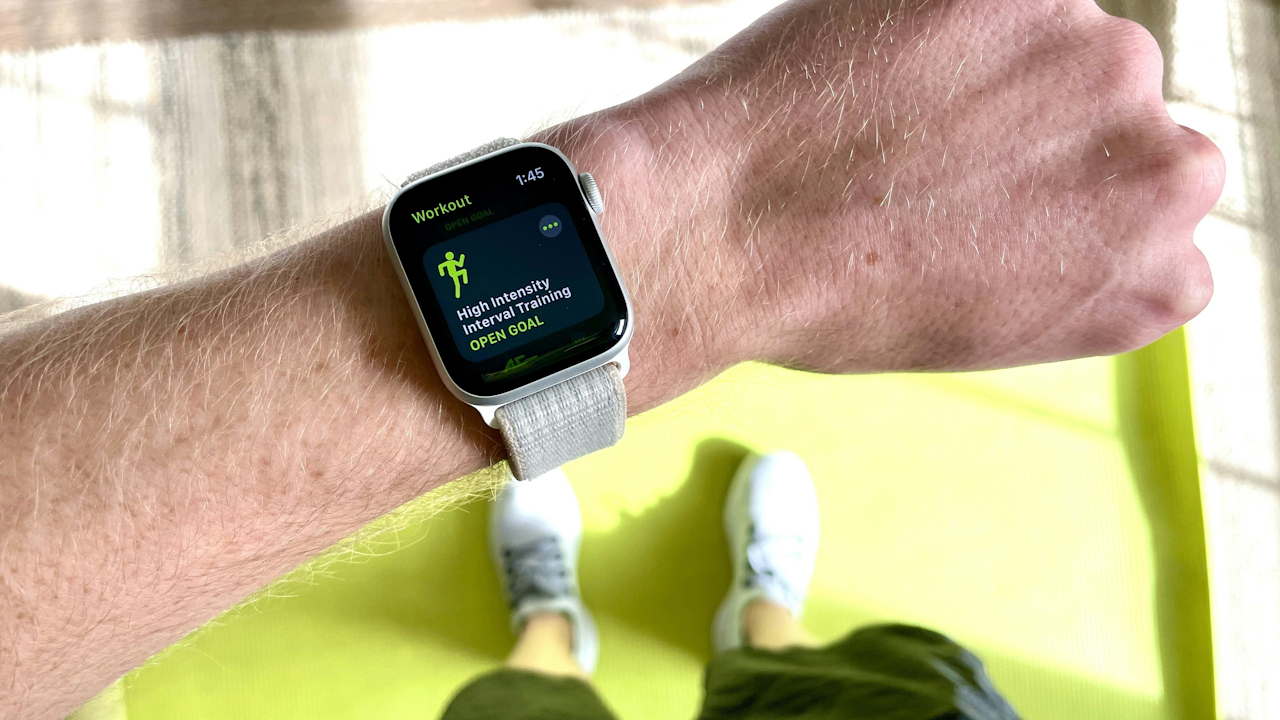
Wearable technology has undergone its own revolution. Smart rings from brands like Oura now dominate alongside traditional wrist devices, delivering clinical grade insights into heart rate variability, sleep stages, and stress markers. AI powered bands from companies such as WHOOP and Garmin forecast overtraining risks and suggest precise recovery protocols. Smart glasses integrate augmented reality overlays that display live form guidance during outdoor runs or bodyweight circuits. Exoskeletons, once confined to medical rehabilitation, have entered consumer fitness in lighter forms that assist with squats, lifts, or even everyday walking for those with mobility challenges. These devices do not replace effort; they amplify it safely and make high intensity training more approachable for a wider range of ages and abilities.
Augmented reality workouts blend the physical world with digital guidance. AR apps project virtual trainers onto living room floors or gym walls via phone cameras or lightweight glasses. Users can follow a Pilates sequence while seeing perfect alignment lines superimposed on their bodies or compete against virtual avatars during a home boxing drill. This hybrid approach feels less isolating than full VR immersion yet still provides the motivation of interactive feedback. Meanwhile, smart home gym equipment has grown more intelligent. Connected strength machines adjust resistance automatically based on performance data, while compact multi station units fold away when not in use. These tools cater to the growing preference for short, efficient sessions that deliver results without lengthy commutes.
Recovery and longevity have become central themes. Biohacking tools such as red light therapy panels, cold plunge tubs with app controlled temperatures, and neurofeedback headbands help users optimize rest as much as effort. Strength training dominates streaming data, yet short form mobility and breathwork sessions show the highest completion rates. Pilates continues its multi year surge, praised for building functional strength and posture. Japanese walking, a rhythmic technique that emphasizes posture and arm swing, has exploded in popularity for its accessibility and cardiovascular benefits. These trends reflect a shift toward sustainable habits that support long term health rather than quick aesthetic fixes.
Social and community elements weave through many of these innovations. VR platforms host live group classes where avatars high five after shared milestones. AI apps connect users with virtual accountability partners who share similar goals. Wearable data can feed into community challenges that reward collective achievements. The metaverse angle, though still niche, allows some enthusiasts to earn digital rewards or NFTs tied to workout streaks, adding a layer of ownership and competition. Hybrid models combine virtual coaching with occasional in person meetups, preserving the convenience of technology while restoring human connection.
Looking ahead, integration appears to be the defining word for fitness in the late 2020s. Headsets will likely shrink further and incorporate AR pass through modes that let users overlay digital elements onto real environments without losing awareness of their surroundings. AI will grow more intuitive, perhaps predicting nutritional needs or mental focus levels alongside physical training. Costs will continue to fall as competition intensifies, making advanced tools available to broader demographics. Regulatory attention to data privacy and screen time guidelines may shape how companies design engaging yet responsible experiences. Accessibility improvements, such as voice only or gesture based controls, will open doors for users with visual or mobility differences.
The most successful fitness journeys in 2026 combine the best of these tools rather than relying on any single trend. A user might start the day with a quick AR guided mobility flow, follow it with a 20 minute VR boxing session for cardio, track recovery via a smart ring, and end with AI suggested breathwork before bed. The technology serves the person, not the other way around. Motivation arises from variety, feedback, and genuine enjoyment rather than willpower alone.
VR workouts have proven that exercise can be immersive, social, and fun without sacrificing effectiveness. The technologies emerging beyond VR promise to make fitness even more personalized, accessible, and sustainable. As these tools mature, the industry moves closer to a future where staying active feels less like a chore and more like an integrated, rewarding part of daily life. The data is clear: people who find movement enjoyable stick with it longer and reap greater benefits. In 2026 and beyond, the winning formula blends cutting edge technology with timeless principles of consistency, recovery, and joy. The future of fitness is not about replacing the body with machines but about empowering the body through smarter, more engaging tools.