

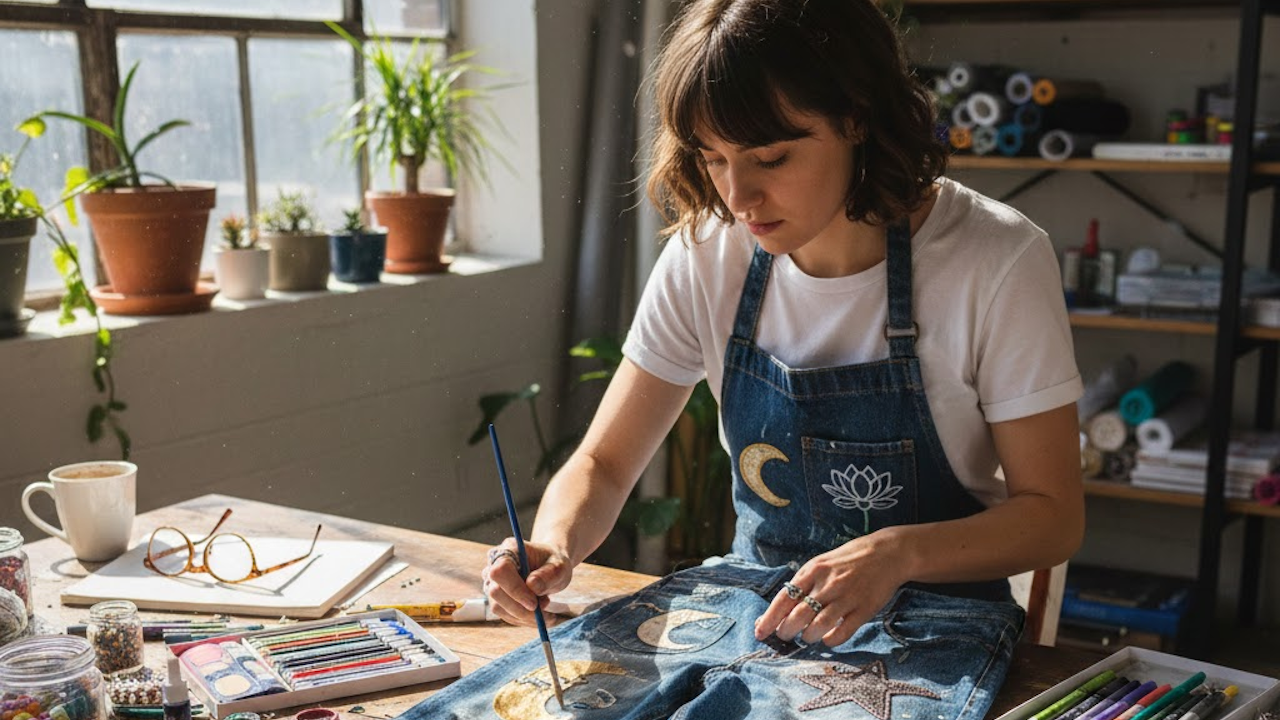
Jeans have long been a staple in wardrobes around the world, offering versatility, durability, and timeless appeal. From their origins as workwear in the 19th century to their status as a fashion icon today, denim provides the perfect canvas for personal expression. Customizing jeans allows you to transform a basic pair into something truly one-of-a-kind, reflecting your personality, style, and creativity. Whether you prefer a subtle tweak or a bold overhaul, the process of personalization can breathe new life into old favorites or elevate new purchases. In an era where fast fashion dominates, customizing your jeans also promotes sustainability by extending the life of garments and reducing waste.
As we move into the later part of 2025, denim trends emphasize comfort, individuality, and eco-conscious choices. Loose silhouettes like baggy, barrel-leg, and wide-leg jeans continue to dominate, moving away from restrictive fits. Personalization techniques such as patchwork, embroidery, and subtle distressing align perfectly with these relaxed styles, allowing for self-expression while embracing nostalgia and modern innovation. This article explores the many ways to customize jeans at home, providing detailed guidance to help you achieve a unique vibe.
Why Customize Your Jeans?
Customizing jeans goes beyond aesthetics; it is about creating pieces that fit your life and values. Off-the-rack jeans often compromise on fit or style, but personalization ensures a perfect match for your body and taste. It also fosters creativity, turning a simple garment into wearable art. Environmentally, upcycling old jeans reduces the demand for new production, which is resource-intensive. Many enthusiasts find joy in the hands-on process, whether repairing worn pairs or experimenting with designs.
In 2025, trends lean toward relaxed, utility-driven denim with elevated details. Techniques like Sashiko stitching, patchwork, and custom embellishments are popular, blending heritage craftsmanship with contemporary flair. Gen Z and beyond favor baggy fits with personal touches, rejecting uniformity for individuality. By customizing, you join a movement of sustainable, expressive fashion.
Essential Tools and Materials
Before diving into techniques, gather the right supplies. Most are affordable and available at craft stores or online.
Basic tools include:
- Sharp fabric scissors for clean cuts.
- Sandpaper, pumice stones, razors, or cheese graters for distressing.
- Needles (heavy-duty denim needles if sewing by hand) and thread in contrasting or matching colors.
- Pins, chalk or washable markers for planning designs.
- Tweezers for pulling threads during distressing.
- An iron for setting patches or flattening seams.
Key materials:
- Fabric paint, acrylic paint mixed with fabric medium, or fabric markers for painting.
- Bleach, spray bottles, and rubber bands for lightening effects.
- Patches (iron-on or sew-on), embroidery floss, and hoops for stitching.
- Studs, rhinestones, buttons, or lace for embellishments.
- Fabric glue for no-sew options.
- Stencils for precise patterns.
Always work in a well-ventilated area, especially with bleach, and test techniques on scrap denim first to avoid mistakes.
Popular Customization Techniques
Here are some of the most effective and trending methods to customize jeans, ranging from beginner-friendly to more advanced.
Distressing for a Worn-In Look
Distressing creates a vintage, lived-in appearance that is timeless yet on-trend in 2025, especially on loose fits. It adds texture and edge without much effort.
Start by marking areas like knees, thighs, or hems with chalk. Use sandpaper to rub gently for fading, or a razor to make small slits. For holes, cut horizontal lines and use tweezers to pull vertical threads, leaving horizontal ones intact for a natural fray. Fray hems by cutting and washing repeatedly.
Pros: Irreversible but authentic vibe. Cons: Can weaken fabric over time. Best for rugged, casual styles. Wash inside out to preserve the effect.
Bleaching and Dyeing for Color Play
Bleaching lightens denim for contrast, while dyeing adds bold hues.
For bleaching, dilute household bleach in water and apply via spray for splatters, or use rubber bands for tie-dye effects. Submerge sections for ombre. Let sit 10 to 30 minutes, then rinse thoroughly.
Dyeing works best on light denim; use fabric dye following package instructions for solid colors or patterns.
In 2025, two-tone and bleached details remain popular, adding artistic flair to baggy or flared jeans.
Painting and Stenciling for Artistic Touches
Painting turns jeans into a canvas. Use fabric paint or acrylic with medium for durability.
Sketch designs lightly, then apply with brushes or sponges. Stencils ensure clean lines for geometric or floral patterns. Seal with heat from an iron.
Popular ideas include abstract splatters, landscapes, or slogans. This method shines on pockets or legs for subtle pops.
Embroidery and Patchwork for Texture
Embroidery adds tactile, artisanal detail. Use floss and a hoop to stitch florals, initials, or Sashiko-inspired patterns, a Japanese mending technique trending in 2025.
For patchwork, cut shapes from old denim or fabrics and sew or glue them on. This upcycles scraps, aligning with sustainability.
Iron-on patches offer quick personality, from vintage motifs to bold statements.
Embellishments and Hardware Upgrades
Add studs, rhinestones, or buttons for glamour. Prong studs push through fabric; glue others for no-sew.
Replace buttons or rivets for a refined look, or add lace inserts for boho vibes.
Fit Alterations and Structural Changes
Tailor for perfect fit: hem legs, taper, or add cuffs. Crop into shorts or flare bottoms by inserting panels.
These changes enhance comfort in trending loose silhouettes.
Step-by-Step Guidance and Tips
Plan your design first: sketch and test on scraps. Work on clean, dry jeans laid flat.
Layer techniques for complexity, like distressing then embroidering over holes.
Care post-customization: Wash inside out on gentle cycles, avoid high heat. Hand-wash painted or embellished areas initially.
Safety first: Wear gloves with bleach, and ventilate.
Start small if new to DIY, like adding patches, then progress to painting or embroidery.
Inspiration for Different Vibes
For a grunge vibe: Heavy distressing and rips on baggy jeans.
Boho: Embroidery, lace, and flared hems.
Streetwear: Bold paint, chains, and stacked fits.
Minimalist: Subtle fading or single patch.
Vintage: Patchwork from old fabrics.
In 2025, mix utility with personalization, like multi-pocket details or eco-washes.
Conclusion
Customizing jeans is an empowering way to craft a wardrobe that feels authentically yours. With accessible tools and endless techniques, anyone can achieve a unique vibe, from edgy distressing to intricate embroidery. As trends favor relaxed, personalized denim, now is the ideal time to experiment. Not only does it enhance your style, but it supports sustainable practices by reviving existing pieces. Grab an old pair, gather your supplies, and start creating. Your perfect, one-of-a-kind jeans await.