

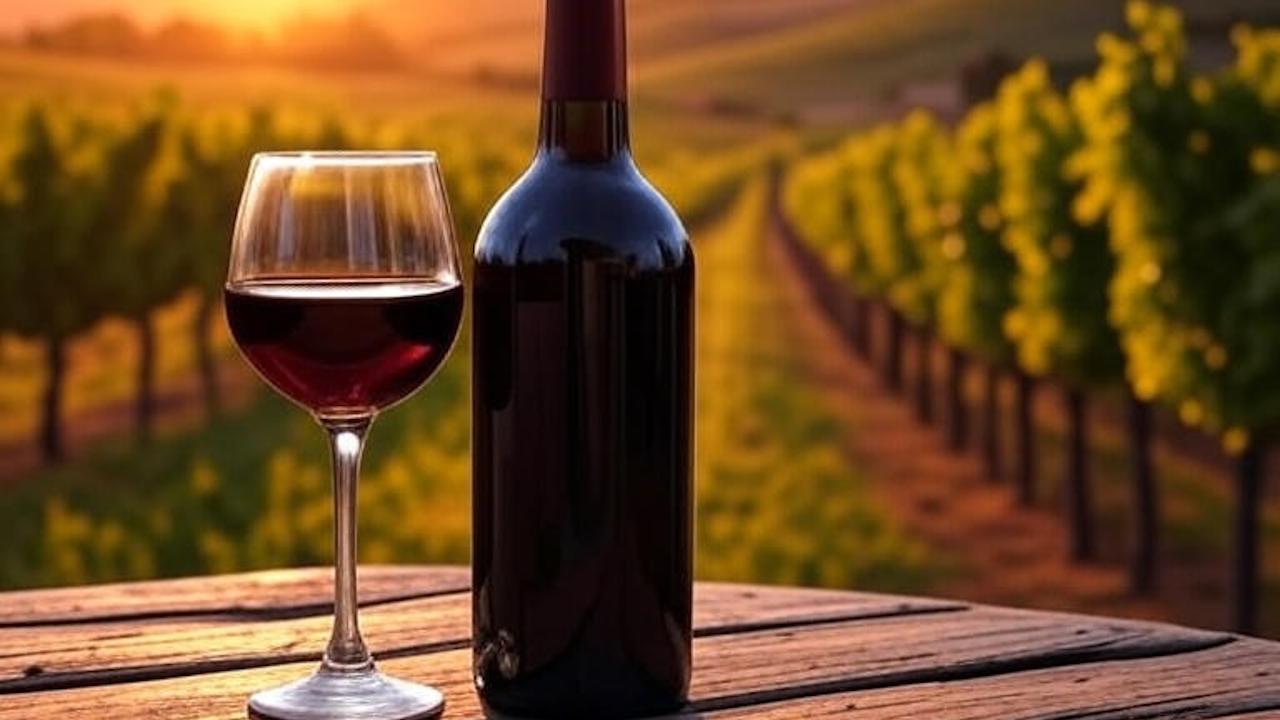
Wine enjoys a reputation as a sophisticated beverage steeped in tradition and ritual. This mystique has given rise to numerous beliefs passed down through generations of enthusiasts, sommeliers, and casual drinkers. Many of these ideas, however, rest on incomplete information, outdated practices, or simple misunderstandings about how wine is made, stored, and enjoyed. In this comprehensive article, we examine some of the most persistent wine myths, drawing on scientific understanding, winemaking realities, and practical experience to separate fact from fiction. By the end, you will approach your next bottle with greater confidence and fewer preconceptions.
Myth 1: Red wine should always be served at room temperature
This is one of the most widespread pieces of advice. The idea stems from an era when “room temperature” meant the ambient temperature of European cellars or dining rooms, often around 60 to 65 degrees Fahrenheit. Modern homes, especially in warmer climates or during summer, frequently sit at 70 to 75 degrees Fahrenheit or higher.
Serving red wine too warm causes alcohol to become more prominent, masking delicate flavors and aromas. Tannins can feel harsher, and the wine may taste flabby or overly boozy. Most reds benefit from being served slightly cooler than typical room temperature, around 60 to 68 degrees Fahrenheit depending on the style. Lighter reds such as Pinot Noir or Gamay perform best even cooler, closer to 55 to 60 degrees. Heavier Cabernet Sauvignons or Syrahs can handle the upper end of that range.
The practical solution involves placing the bottle in the refrigerator for 15 to 30 minutes before serving or using a wine chiller. White wines, by contrast, are often served too cold straight from the fridge, which numbs the palate and hides aromas. Removing them 10 to 15 minutes before pouring allows their flavors to open up.
Myth 2: You must let wine breathe for hours to improve it
The notion that every bottle requires extended aeration comes from the belief that oxygen magically transforms a closed wine into something magnificent. While oxygen does play a role in wine evolution, the effects depend heavily on the wine itself.
Young, tannic reds with high structure can benefit from some aeration to soften harsh edges and release aromas. However, pouring the wine into a decanter or simply into glasses 30 to 60 minutes before drinking usually suffices. Many lighter reds and most whites gain little or nothing from prolonged breathing. In fact, excessive exposure to oxygen can flatten flavors and accelerate oxidation, turning vibrant fruit notes dull.
Extremely old wines are particularly vulnerable. Their delicate, evolved character can disappear quickly once exposed to air. For these bottles, minimal decanting or none at all is preferable. The best approach is to taste the wine shortly after opening. If it seems closed or tight, give it time. If it already shows well, enjoy it promptly.
Myth 3: Expensive wine is always better than inexpensive wine
Price often correlates with certain quality markers such as vineyard prestige, production methods, or aging potential, but it does not guarantee superior enjoyment in every situation. Blind tasting studies conducted over decades consistently show that experienced drinkers frequently fail to distinguish between wines in different price brackets when labels are hidden.
Factors influencing price include rarity, marketing, production volume, oak aging regimes, and vineyard yields. A mass-produced wine from a large winery can deliver excellent balance and drinkability for everyday consumption. Meanwhile, an expensive cult wine might overwhelm with intensity or require years of cellaring before it becomes approachable.
Personal taste matters most. Some drinkers prefer the bright, fruit-forward character of affordable New World wines. Others seek the complexity and terroir expression found in pricier Old World bottlings. The key is finding reliable producers and regions rather than relying solely on price tags. Many excellent wines exist in the 15 to 30 dollar range that outperform far costlier bottles for most casual occasions.
Myth 4: Screw caps indicate lower quality wine
The association between cork closures and quality remains strong despite decades of evidence to the contrary. Cork taint, caused primarily by a compound called TCA, affects a notable percentage of natural cork-sealed bottles, leading to musty, damp cardboard aromas that ruin the wine.
Screw caps provide a hermetic seal that eliminates cork taint and offers excellent consistency. They are particularly advantageous for aromatic whites and lighter reds meant for early drinking. Many premium producers in Australia, New Zealand, and increasingly in Europe and the United States have adopted screw caps for their top wines without any loss of perceived prestige.
Cork remains traditional for wines intended for long aging because it allows minute oxygen transmission that can contribute to gradual development. Even here, however, technical corks and other alternatives are closing the gap. The closure type reveals more about the producer’s philosophy and target market than about the wine’s inherent quality.
Myth 5: All wines improve with age
This romantic notion persists despite the reality that the vast majority of wines are produced for consumption within one to three years of release. Most inexpensive whites, roses, and light reds begin declining after their first or second year as fresh fruit characters fade and oxidation sets in.
Only a small fraction of wines possess the structure, acidity, and tannin levels necessary for beneficial aging. These include certain Bordeaux, Barolo, Brunello di Montalcino, vintage Port, and top Rieslings or Champagnes. Even among these, proper storage conditions are essential: consistent cool temperatures around 55 degrees Fahrenheit, humidity around 70 percent, darkness, and minimal vibration.
Aging does not automatically improve wine. It transforms it. Primary fruit flavors evolve into secondary and tertiary notes of leather, earth, dried fruit, and nuttiness. For many drinkers, the fresh, vibrant character of young wine provides greater pleasure than the sometimes austere or subtle qualities of mature bottles. There is no shame in drinking wines young.
Myth 6: The legs or tears on the glass indicate wine quality
After swirling wine in a glass, streaks or “legs” sometimes form on the sides. Many interpret thick, slow-moving legs as a sign of high quality or richness. In truth, this phenomenon results primarily from surface tension and viscosity differences caused by alcohol and sugar content, known as the Marangoni effect.
Higher alcohol wines tend to display more pronounced legs. Sweet wines can also show them due to sugar’s contribution to viscosity. Neither characteristic reliably predicts flavor complexity, balance, or enjoyment. A lean, elegant Pinot Noir might show minimal legs while delivering profound aroma and taste. A high-alcohol, jammy Shiraz could display dramatic legs yet lack finesse.
Focus instead on aroma intensity, flavor balance, length of finish, and personal preference when evaluating wine.
Myth 7: Sulfites in wine cause headaches
Sulfites occur naturally during fermentation and are added in small amounts as preservatives in most wines. They play a crucial role in preventing oxidation and microbial spoilage. Only a tiny percentage of people, primarily those with severe asthma, experience genuine sensitivity to sulfites.
Red wine headaches more commonly stem from histamines, tannins, or simply alcohol consumption, especially dehydration or drinking on an empty stomach. Histamines are present in higher levels in red wines due to skin contact during fermentation. Some individuals lack the enzyme diamine oxidase needed to break them down efficiently.
White wines often contain higher added sulfite levels than reds, yet red wine headaches are reported far more frequently. Drinking water alongside wine, eating food, and choosing lower-alcohol options can help mitigate issues. Organic or “no added sulfite” wines exist but still contain some naturally occurring sulfites and may spoil more quickly once opened.
Myth 8: Champagne and sparkling wines should be stored upright
This myth arises from the assumption that horizontal storage, standard for still wines to keep corks moist, applies universally. For sparkling wine, the carbonation pressure inside the bottle keeps the cork moist and expanded regardless of orientation. Storing Champagne upright actually reduces the surface area of wine in contact with the cork, potentially minimizing any minor leakage risk.
That said, temperature stability matters more than position for long-term storage. Keep sparkling wines in a cool, dark place away from vibration. Once opened, a good sparkling stopper can preserve bubbles for several days in the refrigerator.
Myth 9: Decanting is necessary for all red wines
Decanting serves two main purposes: separating sediment from older wines and aerating younger ones. Many wines, particularly those under ten years old, show little benefit from decanting beyond the initial pour that naturally introduces some oxygen. Over-decanting can strip away delicate aromas in fragile wines.
For everyday drinking, pouring directly into glasses works fine for most bottles. If you enjoy the ritual or want to showcase a special wine, decant it gently. Observe the wine’s response over time rather than assuming longer is always better.
Myth 10: Wine expertise requires memorizing hundreds of flavors and regions
While dedicated study benefits serious enthusiasts, you do not need encyclopedic knowledge to appreciate wine. Developing your palate through regular tasting and paying attention to what you like creates a more rewarding experience than rote memorization.
Focus on basic grape varieties, major regions, and styles first. Learn to identify primary fruit characteristics, acidity levels, tannin presence, and alcohol warmth. Over time, nuances of terroir and winemaking techniques become clearer naturally. Wine should enhance meals and moments rather than become an academic exercise that creates anxiety.
Conclusion
Wine myths endure because they simplify a complex subject and add to its allure. Understanding the realities behind these beliefs allows for greater enjoyment without unnecessary rules or expenses. The most important principle remains drinking what you like with people whose company you enjoy. Trust your own palate, store wines properly if aging them, serve them at appropriate temperatures, and approach each bottle with curiosity rather than preconceived notions.
By questioning common assumptions, you open yourself to discovering exceptional wines across price points, closures, and styles. The world of wine becomes more accessible, more diverse, and ultimately more pleasurable when freed from outdated dogma. Whether you prefer a crisp Sauvignon Blanc on a weeknight or a structured Cabernet on special occasions, informed choices lead to better experiences. Raise a glass to knowledge over tradition, and enjoy the journey of exploration.