

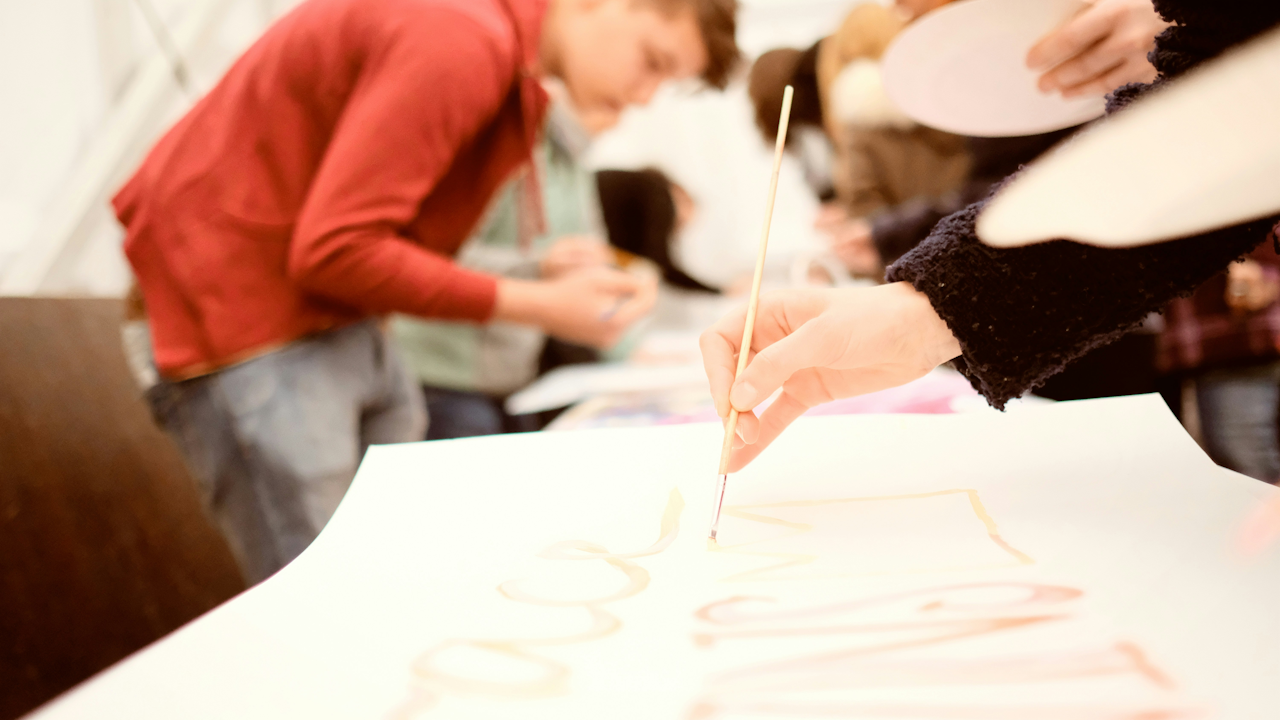
Art therapy stands as a powerful form of psychotherapy that combines the creative process of making art with psychological principles to promote emotional healing and mental well-being. This approach recognizes that artistic expression can serve as a bridge to the subconscious mind, allowing individuals to communicate feelings and experiences that words alone might fail to capture. In an era where mental health challenges affect millions worldwide, art therapy offers a unique, non-verbal pathway to recovery and self-discovery.
The roots of art therapy trace back to ancient civilizations where art played roles in ritual healing and community bonding. However, the formal development of art therapy as a professional field emerged in the mid-20th century. Pioneers such as Margaret Naumburg and Edith Kramer in the United States began integrating artistic activities into therapeutic settings. Naumburg emphasized the importance of spontaneous art creation as a means of symbolic communication, while Kramer focused on the therapeutic value of the creative process itself. These early efforts built upon observations from psychiatrists and educators who noted improvements in patients engaging with drawing, painting, and sculpting.
During World War II and its aftermath, art therapy gained momentum as clinicians worked with soldiers experiencing trauma. The visible horrors of war left many veterans struggling with emotional scars that traditional talk therapy struggled to address. Art provided a safe outlet for processing these experiences. By the 1960s and 1970s, professional organizations like the American Art Therapy Association formed, establishing standards for training and practice. Today, art therapists undergo rigorous education, often holding master’s degrees and certifications that blend psychology, counseling, and studio art skills.
At its core, art therapy operates on the principle that the act of creation can facilitate healing. Sessions typically involve a trained therapist guiding a client through various art-making activities. The focus remains not on producing aesthetically pleasing artwork but on the process and the insights it reveals. Clients might use materials such as paints, clay, markers, or collage elements. The therapist creates a supportive environment free from judgment, encouraging free expression.
One fundamental mechanism in art therapy involves externalizing internal conflicts. When a person draws or sculpts their emotions, abstract feelings become tangible objects. This distance allows for objective examination and discussion. For instance, a client experiencing anxiety might create a chaotic scribble that represents inner turmoil. Through guided reflection, the therapist helps the individual explore what the image evokes and how it connects to real-life stressors. This process can reduce the intensity of overwhelming emotions by making them more manageable.
Another key aspect is the sensory engagement inherent in art materials. Kneading clay provides tactile feedback that can ground someone in the present moment, countering dissociative states common in trauma survivors. Mixing colors or layering textures stimulates multiple senses, activating brain regions associated with emotion regulation and memory. Neuroimaging studies suggest that creative activities can increase connectivity between the prefrontal cortex, responsible for executive function, and the limbic system, which governs emotions.
The benefits of art therapy span numerous dimensions of health. Emotionally, it fosters self-awareness and emotional literacy. Many people struggle to identify or articulate complex feelings like grief, anger, or shame. Art offers a language beyond words, enabling clearer self-understanding. This awareness often leads to improved emotional regulation and reduced symptoms of depression or anxiety.
Cognitively, art therapy enhances problem-solving skills and cognitive flexibility. Creating art requires planning, adaptation, and decision-making. Clients facing cognitive challenges, such as those recovering from brain injuries or living with neurodevelopmental conditions, frequently show gains in attention span, memory, and spatial reasoning through consistent practice.
Socially, group art therapy sessions build community and reduce isolation. Shared creative experiences promote empathy and mutual support. Participants witness others’ vulnerability through their artwork, which normalizes personal struggles and cultivates connection. This proves particularly valuable in settings like schools, rehabilitation centers, or support groups for specific conditions.
Physically, the benefits extend to stress reduction and immune system support. Engaging in art lowers cortisol levels, the primary stress hormone. Lower stress correlates with better sleep, improved cardiovascular health, and enhanced overall resilience. Some programs incorporate movement-based art, such as dance or large-scale murals, to combine physical activity with creative expression.
Art therapy demonstrates effectiveness across diverse populations. Children often respond well because they naturally communicate through play and visuals. For kids dealing with family disruptions, bullying, or developmental delays, art provides a developmentally appropriate outlet. A child might draw family portraits that reveal unspoken fears or desires, giving therapists and parents valuable insights without direct confrontation.
Adolescents facing identity issues or peer pressure find art therapy empowering. The rebellious nature of teen years aligns with experimental art forms like street art-inspired projects or digital media. This modality respects their need for autonomy while addressing underlying emotional needs.
Adults and seniors benefit too. Workplace burnout, midlife transitions, or retirement adjustments can trigger existential questions. Art therapy offers space for reflection and reinvention. In elder care facilities, it combats cognitive decline and loneliness, with reminiscence projects using collage or memory boxes preserving personal histories.
Trauma survivors represent one of the most compelling applications. Post-traumatic stress disorder often involves fragmented memories and hypervigilance. Traditional exposure therapies can feel re-traumatizing, but art therapy allows gradual, controlled engagement with painful material. Veterans, abuse survivors, and refugees have reported significant symptom reduction through programs like mandala drawing or narrative art, where they externalize experiences at their own pace.
In medical settings, art therapy supports patients with chronic illnesses or undergoing invasive treatments. Cancer patients might create masks or journals that process fear of recurrence. Those with chronic pain conditions learn to shift focus from discomfort to creative flow states, which can alter pain perception.
Evidence supporting art therapy continues to grow through research. Randomized controlled trials have documented reductions in anxiety among hospital patients participating in bedside art sessions. Meta-analyses indicate moderate to large effect sizes for depression treatment, particularly when combined with other therapies. Qualitative studies capture personal stories of transformation, such as individuals regaining a sense of agency after years of feeling powerless.
Despite its strengths, art therapy faces challenges. Access remains limited in many regions due to shortages of qualified professionals and insurance coverage gaps. Cultural considerations matter as well. Western-centric approaches might not resonate with indigenous communities that view art as communal or spiritual rather than individual therapy. Practitioners must adapt methods respectfully, incorporating culturally relevant symbols and materials.
Critics sometimes question the scientific rigor of art therapy, pointing to variability in session formats and outcome measures. However, the field responds by developing standardized assessment tools like the Formal Elements Art Therapy Scale, which evaluates artwork along structural dimensions rather than subjective content. Ongoing research employs mixed methods to capture both measurable changes and subjective experiences.
Training and ethical standards represent another area of focus. Art therapists navigate complex dynamics around confidentiality, interpretation of artwork, and potential for misattribution of meaning. Professional codes emphasize client autonomy and cultural competence. Continuing education ensures practitioners stay current with neuroscience developments and trauma-informed practices.
Looking ahead, technology promises to expand art therapy’s reach. Virtual platforms enable remote sessions, benefiting those in rural areas or with mobility limitations. Digital art tools, including tablets and specialized software, appeal to tech-savvy generations while maintaining therapeutic principles. Virtual reality environments might simulate safe spaces for creative exploration, particularly useful for phobia treatment or exposure work.
Integration with other modalities shows promise. Combining art therapy with mindfulness practices, music therapy, or cognitive behavioral techniques creates comprehensive treatment plans. Workplace wellness programs increasingly include art therapy workshops to prevent burnout and boost creativity among employees.
Schools are incorporating art therapy elements into counseling services to address rising youth mental health concerns. Early intervention through creative outlets can prevent escalation of issues like anxiety disorders or behavioral challenges. Teacher training programs now sometimes include basic art therapy techniques for classroom use.
Community-based initiatives demonstrate art therapy’s broader social impact. Public murals addressing social justice themes foster collective healing while beautifying neighborhoods. Prison programs use art to reduce recidivism by building emotional intelligence and vocational skills. Refugee centers employ storytelling through art to help newcomers process displacement and build new identities.
Personal stories illustrate the transformative power of art therapy. Consider Maria, a survivor of domestic violence who initially struggled to verbalize her experiences in traditional counseling. Through clay sculpting, she created a series of figures representing different stages of her journey from victim to survivor. Each sculpture allowed her to externalize pain, anger, and eventually strength. Over months, Maria reported decreased nightmares and increased self-confidence, eventually leading advocacy work in her community.
Another example involves James, a combat veteran with severe PTSD. Group sessions with watercolor painting helped him reconnect with pre-military interests. The fluid nature of watercolors mirrored his need for emotional release without rigid control. James described how focusing on brushstrokes created moments of calm that extended beyond sessions, improving his sleep and family relationships.
These narratives highlight a crucial truth: art therapy does not require artistic talent. Many clients enter sessions protesting their lack of skill, only to discover that the process itself holds value. The emphasis stays on personal meaning rather than technical mastery. This democratization of creativity makes the approach accessible and inclusive.
Implementing art therapy effectively requires attention to setting and materials. Safe, well-lit spaces with ample supplies encourage participation. Therapists select materials based on client needs. Messy options like finger paints suit emotional release, while structured tools like colored pencils support those needing control. Storage and cleanup considerations ensure the environment remains welcoming.
Assessment in art therapy combines observation, discussion, and sometimes formal tools. Therapists note color choices, line quality, use of space, and thematic content. However, interpretation always involves client input to avoid projection. The collaborative nature strengthens the therapeutic alliance.
As society increasingly recognizes the mind-body connection, art therapy aligns with holistic health paradigms. It complements medical treatments by addressing psychosocial aspects of illness. Insurance providers and healthcare systems slowly expand coverage as outcome data accumulates.
Education plays a vital role in advancing the field. Universities offering art therapy programs emphasize both artistic development and psychological theory. Students complete internships under supervision, gaining hands-on experience across settings from hospitals to private practices. Research components prepare graduates to contribute to the evidence base.
Public awareness campaigns help demystify art therapy. Media portrayals sometimes depict it simplistically as mere coloring, but reality involves depth and intentionality. Educational workshops and open studio events introduce communities to the practice, reducing stigma around mental health support.
Challenges persist in standardization across international contexts. Different countries have varying regulatory frameworks. Global organizations work toward harmonizing best practices while respecting cultural differences. In collectivist societies, group-oriented art therapy might predominate, whereas individualistic cultures emphasize personal expression.
Sustainability considerations emerge as the field grows. Eco-friendly materials and practices reflect broader environmental awareness. Using recycled or natural pigments connects clients to larger ecological themes, adding layers of meaning to sessions.
The future of art therapy appears bright as interdisciplinary collaborations increase. Partnerships with neuroscientists explore brain changes during art making. Technology developers create specialized apps for therapeutic art. Artists and clinicians co-design programs that honor both creative integrity and therapeutic goals.
Ultimately, art therapy reaffirms a fundamental human capacity: the drive to create meaning from experience. In a world often dominated by digital interactions and verbal overload, the tactile, visual realm of art offers respite and renewal. It reminds us that healing need not follow a single path. For many, the journey toward wholeness winds through colors, shapes, and symbols that words cannot fully express.
By embracing creativity as a healing force, individuals reclaim agency over their narratives. They transform suffering into something visible and workable. Art therapy does not promise to erase pain entirely, but it equips people with tools to live alongside it with greater peace and purpose. As research advances and access improves, more people will discover the profound truth that within each of us lies an artist capable of reshaping not just paper or clay, but life itself.
This exploration merely scratches the surface of a rich and evolving field. Whether through quiet individual sessions or vibrant community projects, art therapy continues to demonstrate that creativity holds remarkable power to mend what seems broken and illuminate paths forward.