

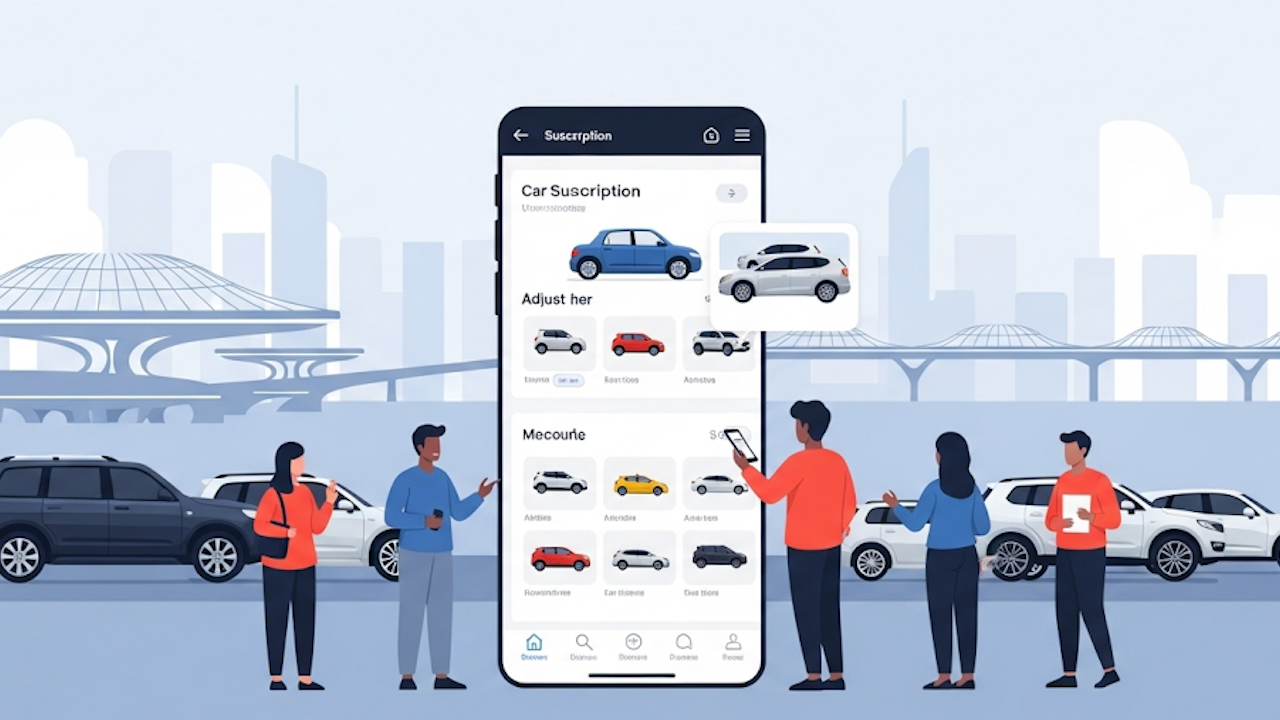
The way people get around is changing. For decades, owning a car meant saving up for a down payment, signing loan papers at a dealership, and dealing with repairs, insurance bills, and the slow but steady drop in value the moment you drove off the lot. Today, a growing number of drivers are skipping that traditional path. Instead, they pay a single monthly fee for full access to a vehicle that includes insurance, maintenance, roadside assistance, and registration. No haggling, no long term commitment, and often the ability to swap cars when needs change. These programs, known as car subscription services, promise to simplify driving in an era when flexibility matters more than ever. But are they truly the future of how we get from point A to point B, or just a convenient option for a niche group of users?
To understand the appeal, it helps to look at how these services actually work. A typical car subscription begins with an online application that requires little more than a valid driver’s license and a credit card. Once approved, the subscriber selects from available models, often ranging from compact sedans to SUVs or even luxury vehicles depending on the provider. The monthly payment covers almost everything except fuel or charging costs. Terms can start as short as one month, though many programs require an initial commitment of three to six months before allowing easy cancellation or switches. At the end of each period, the driver can return the car, extend the subscription, or choose a different model entirely. This model borrows from the streaming services people already use for entertainment. Just as viewers cancel or switch shows without penalty, drivers can adjust their wheels to match life changes such as a new job, a growing family, or a move to a different city.
The concept did not appear overnight. Early experiments in flexible vehicle access date back more than a decade, with pioneering companies testing short term rentals bundled into subscription style plans. By the late 2010s, major automakers entered the space. Volvo launched Care by Volvo as one of the first comprehensive programs, offering all inclusive access to its lineup. Porsche followed with its Drive service aimed at luxury customers who wanted variety without permanent ownership. Other brands such as Genesis, Nissan, and even rental giants like Enterprise and Sixt rolled out their own versions. By 2026, the market has expanded further. Third party providers like Autonomy focus on electric vehicles, while platforms such as GO cars and Flexdrive emphasize zero down payments and easy refresh options every few years. Meanwhile, some traditional rental companies now market subscription tiers that let drivers swap vehicles up to four times per month. The growth reflects broader shifts in consumer behavior. Younger generations in particular show less interest in tying up capital in depreciating assets. Instead, they prioritize experiences and adaptability.
What draws people to these programs? The advantages are practical and immediate. First comes flexibility. Life rarely follows a predictable script. A single professional might need a sporty coupe for daily commutes but an SUV for weekend getaways. With a subscription, that switch can happen without selling one car and buying another. Families dealing with temporary relocations or students moving between campuses can avoid the headache of long term leases that penalize early termination. Second, the all inclusive pricing brings predictability. One flat fee handles insurance, routine maintenance, tire replacements, and even registration renewals. Drivers no longer face surprise repair bills or the chore of shopping for coverage. Budgeting becomes straightforward. Third, the experience feels modern and hassle free. Many services operate through sleek mobile apps where users book, manage, and even upgrade mileage packages on the fly. No trips to the dealership for paperwork or negotiations. Fourth, subscribers often gain access to newer technology sooner. Electric vehicles, advanced safety features, and updated infotainment systems arrive without the full purchase price. For environmentally conscious drivers, this means easier entry into the EV world without worrying about battery degradation or resale value.
Car subscriptions also align with larger societal trends toward shared and on demand mobility. In dense urban areas where parking is expensive and public transit is robust, owning a car full time can feel like an unnecessary burden. Subscriptions allow people to use a vehicle only when they truly need one, reducing overall miles driven and potentially lowering emissions if fleets include a high proportion of electric models. Automakers benefit too. Instead of relying solely on one time sales, they create steady recurring revenue streams. This model encourages brand loyalty because customers stay connected through the app and experience multiple vehicles over time. Some analysts project that subscription based registrations could represent more than ten percent of new vehicles in key European markets by the middle of the decade, with similar momentum building in North America and parts of Asia.
Yet the picture is not entirely rosy. Several drawbacks limit the appeal for many drivers. Cost stands out as the most obvious concern. Monthly subscription fees often run higher than equivalent lease payments once all factors are considered. For example, a popular compact SUV might cost around six hundred dollars per month through a premium brand subscription, while a traditional lease could come in lower after negotiating incentives. Over several years, the subscriber ends up paying more without building any equity. At the end of the term, the car returns to the provider with nothing to show for the investment. Mileage restrictions also create friction. Most programs cap annual driving at ten thousand to fifteen thousand miles. Exceeding those limits triggers extra charges, which can surprise heavy commuters. Availability presents another hurdle. Not every city or region offers the full range of models or providers. Rural drivers or those in smaller markets may find options limited or nonexistent. Geographic restrictions mean some popular programs operate only in select metropolitan areas like certain Florida cities for Genesis or Houston for Nissan.
Additional practical issues arise when it is time to return the vehicle. Wear and tear policies can feel strict. Scratches, dents, or excessive interior damage result in fees that erode the convenience factor. Credit requirements, though sometimes more lenient than loans, still exist. Younger or lower income drivers may face approval barriers. Finally, the lack of customization stands out. Subscribers cannot always order a vehicle with specific options or colors. They receive what is in the current fleet. For enthusiasts who enjoy building their ideal car or plan to keep a vehicle for a decade or more, these limitations feel restrictive.
Comparing subscriptions to traditional buying or leasing highlights these trade offs clearly. Buying a car outright or financing one provides ownership and the potential for equity after the loan is paid. Drivers can modify the vehicle freely, drive unlimited miles, and sell it later to recoup some value. However, they shoulder full responsibility for maintenance, insurance shopping, and depreciation that can exceed twenty percent in the first year alone. Leasing lowers monthly payments compared with buying and allows access to newer models every few years, but it locks the driver into a multiyear contract with mileage caps and potential early termination penalties. Early exit fees can reach thousands of dollars. Subscriptions sit between these options. They offer shorter terms and greater variety than leases, yet they cost more over time and provide no path to ownership. For someone who values convenience above all else and plans to change vehicles frequently, a subscription wins. For a long distance driver who logs high miles or a family seeking maximum value, buying or leasing often makes better financial sense.
The broader industry impact extends beyond individual choices. Automakers increasingly view subscriptions as a hedge against slowing sales growth in mature markets. By bundling vehicles with services, they create ongoing customer relationships that generate data and opportunities for upselling. Some brands already experiment with layered subscriptions. Beyond the vehicle itself, monthly fees unlock software features such as enhanced navigation, remote start, or even temporary performance boosts. This trend toward software defined vehicles means the car becomes a platform rather than a finished product. Critics argue that charging extra for features already installed in hardware feels like double dipping, yet proponents see it as a way to keep vehicles fresh and relevant longer.
Environmental considerations add another layer. If subscriptions accelerate the shift to electric fleets, they could speed the reduction of tailpipe emissions. Providers that prioritize EVs help normalize charging infrastructure and lower the barrier for drivers wary of battery replacement costs. At the same time, increased vehicle utilization through shorter term access might reduce the total number of cars on the road. Fewer privately owned vehicles parked for most of the day could free up urban space and cut congestion if paired with smart fleet management.
Looking ahead, car subscriptions appear poised to play a larger role, though they are unlikely to replace ownership entirely. Several factors will shape their trajectory. The continued rise of electric vehicles fits naturally with subscription models because batteries and software updates keep cars technologically current without large capital outlays for buyers. Autonomous driving technology, once mature, could integrate seamlessly. Imagine a subscription that includes self driving capability on demand, billed by the hour or mile, turning the vehicle into part of a larger mobility network. Mobility as a service platforms may combine subscriptions with public transit, ride sharing, and bike options into one seamless app. In this vision, personal car ownership becomes optional for most daily needs.
Challenges remain. Regulatory hurdles could slow adoption if lawmakers scrutinize data privacy or insurance responsibilities in shared fleets. Supply chain issues and high initial fleet costs make scaling expensive for providers. Consumer education matters too. Many drivers still associate car ownership with status and independence. Changing that mindset requires time and proven reliability from subscription programs.
Ultimately, car subscriptions represent one piece of a larger puzzle rather than a complete replacement for traditional driving models. They excel for urban professionals, frequent travelers, young adults entering the workforce, and anyone who dislikes long term financial commitments. For those who drive moderate distances, value simplicity, and enjoy trying different vehicles, the monthly fee model delivers genuine freedom. For long haul users, large families, or those who simply prefer to own their assets, buying or leasing retains strong advantages.
The question of whether these services define the future of driving therefore receives a nuanced answer. They are not destined to eliminate car ownership across the board. Instead, they expand the menu of choices available to consumers. In a world where work, family, and technology evolve rapidly, having more ways to access reliable transportation without permanent ties feels like genuine progress. As technology advances and consumer preferences continue shifting toward access over possession, car subscriptions will likely grow from a niche convenience into a mainstream option for millions. The steering wheel may stay in our hands for years to come, but the way we pay for and manage that wheel is already steering toward greater flexibility. Drivers who keep an open mind may discover that the best way forward is not owning the road, but simply subscribing to it when needed.