

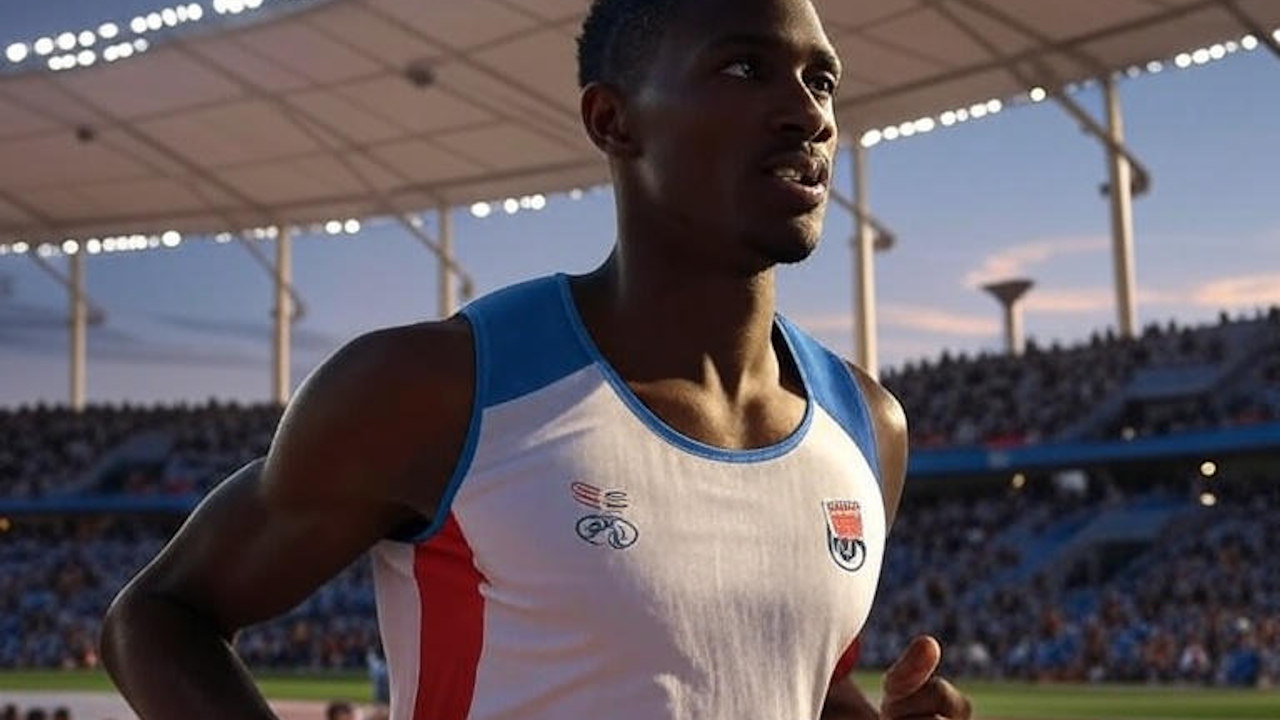
The 2028 Summer Olympics, officially the Games of the XXXIV Olympiad and branded as Los Angeles 2028 or LA28, mark a historic return to the United States for the first time since 1996. Los Angeles will host the event for the third time after 1932 and 1984, making it the only city to stage the Summer Games on three occasions. Scheduled from July 14 to July 30, 2028, the Olympics will be followed by the Paralympic Games from August 15 to August 27. With more than two years until the torch is lit, organizers at LA28 have released extensive details on venues, sports, schedules, and legacy plans. The approach emphasizes reuse of existing infrastructure, fiscal responsibility, and community benefits in a way that sets it apart from many recent editions.
Los Angeles secured the rights in an unusual double award by the International Olympic Committee in 2017. After Paris claimed 2024, LA became the uncontested choice for 2028, allowing the city to negotiate favorable terms that minimized public financial risk. The bid leveraged Southern California’s vast network of world-class arenas, stadiums, and outdoor spaces rather than promising lavish new construction. This no-build philosophy has remained central to planning, positioning LA28 as one of the most sustainable and cost-conscious Olympic programs in modern history.
Dates and High-Level Overview
The competition window opens with the opening ceremony on July 14, 2028, and runs through July 30. The first medals are expected on July 15 with the women’s triathlon at Venice Beach. Swimming finals and other marquee events will conclude on the final day. Organizers released a detailed daily competition schedule in late 2025, with updates continuing into 2026. The Paralympic Games follow a similar pattern in August. Approximately 10,500 Olympic athletes and 6,000 Paralympians will compete across more than 350 events.
A distinctive feature of the 2028 ceremonies involves two venues operating simultaneously. The Los Angeles Memorial Coliseum and SoFi Stadium (temporarily known as 2028 Stadium) will host a joint opening celebration, with a prologue at the Coliseum simulcast to SoFi. The Coliseum will also stage track and field events and the closing ceremony. This dual-venue concept draws on Hollywood-style production values while honoring LA’s Olympic heritage. The Coliseum becomes the first stadium to host Olympic ceremonies and athletics across three Games.
Venues: A No-Build, Multi-Zone Footprint
True to its promise, LA28 will not construct any new permanent venues. Instead, the Games will unfold across more than 40 existing sites grouped into convenient zones throughout Greater Los Angeles, with some events extending to Oklahoma City and preliminary soccer matches in other U.S. cities. This strategy saves hundreds of millions of dollars and leaves a minimal physical legacy beyond upgraded infrastructure and temporary overlays that will be reused or recycled.
Key zones and venues include:
- Downtown Los Angeles (DTLA) Zone: DTLA Arena for artistic gymnastics, trampoline gymnastics, and boxing finals; LA Convention Center halls for fencing, judo, table tennis, taekwondo, and wrestling; Dodger Stadium for baseball; Peacock Theater for preliminary boxing and weightlifting.
- Exposition Park Zone: LA Memorial Coliseum for athletics and ceremonies; Exposition Park Stadium for flag football and lacrosse; Galen Center for badminton and rhythmic gymnastics.
- Inglewood Zone: 2028 Stadium (SoFi) for swimming; Intuit Dome for basketball.
- Pasadena Zone: Rose Bowl Stadium for soccer finals; Rose Bowl Aquatics Center for diving.
- Valley Zone: Sepulveda Basin complexes for 3×3 basketball, BMX freestyle and racing, modern pentathlon, and skateboarding.
- Long Beach Zone: Multiple waterfront and arena sites for beach volleyball, artistic swimming, water polo, handball, sport climbing, shooting, canoe sprint, rowing, open water swimming, coastal rowing, and sailing events.
- Other Southern California sites: Riviera Country Club for golf; Santa Anita Park for equestrian; Fairgrounds Cricket Stadium in Pomona for cricket; Trestles State Beach for surfing; various shooting ranges; Industry Hills for mountain biking.
- Oklahoma City Zone: OKC Softball Park for softball and OKC Whitewater Center for canoe slalom.
- Soccer preliminaries: Group-stage and early knockout matches at stadiums in New York, Columbus, Nashville, St. Louis, San José, and San Diego, with medal rounds at the Rose Bowl.
Some venues, such as the Honda Center in Anaheim and the Comcast Squash Center at Universal Studios, will retain their corporate names under a historic pilot program approved by the IOC. This marks the first time Olympic competition sites can carry sponsor branding during the Games, generating extra revenue while breaking from the traditional clean-venue policy.
Sports Program: Record Variety with New Additions
The program features 36 sports and 353 events, the largest in Olympic history by some measures. The core lineup includes all traditional disciplines plus skateboarding, sport climbing, and surfing carried over from recent Games. Five new or returning sports join the medal program: flag football (men’s and women’s debut), squash (debut), cricket (T20 format, first since 1900), lacrosse (sixes format, first medal event since 1908), and the returns of baseball and softball.
Notable format changes include beach sprint rowing replacing lightweight double sculls, modern pentathlon swapping show jumping for obstacle course racing, expanded events in athletics, swimming, gymnastics, archery, and sport climbing, and gender-balanced participation with more female athletes overall. Boxing has been reinstated following governance reforms. The full list of Olympic sports encompasses everything from 3×3 basketball and archery to wrestling, with detailed daily schedules now available on the official LA28 site.
Budget and Economic Model
LA28 operates on a privately funded model similar to the profitable 1984 Games. The current budget stands at approximately 7.1 billion dollars, with revenues projected to match or exceed expenses. Major income streams include more than 2 billion dollars already secured from domestic sponsorships by late 2025, nearly 2 billion from ticket sales, IOC contributions, licensing, and merchandising. Organizers maintain a healthy contingency reserve, and the city of Los Angeles serves as a backstop for limited overruns up to 270 million dollars. Early sponsorship momentum has already surpassed that of Paris 2024 at a comparable stage.
Sustainability, Impact, and Legacy Plans
Organizers have published a detailed Impact and Sustainability Plan that prioritizes radical reuse, inclusivity, community benefit, and resilience. At least 90 percent of temporary infrastructure materials will be reused or recycled. A transit-first approach encourages public transportation and electric vehicles to reduce the carbon footprint. Procurement targets direct 75 percent of spending to local businesses and 25 percent to small businesses. LA28 has committed up to 160 million dollars to expand youth sports programs through PlayLA, aiming to reach two million enrollments before the Games and create lasting access for underserved communities.
Additional legacy elements include transportation upgrades, clean energy investments, and a volunteer program focused on local recruitment. The overall goal is to measure success not only by medals but by tangible improvements in economic opportunity, youth development, and environmental stewardship across Southern California.
Tickets, Broadcasting, and Spectator Experience
Ticket sales launched globally on April 9, 2026, following a locals presale that began April 2. A lottery system and phased draws will distribute approximately 14 million tickets, with many priced accessibly. One million tickets are offered at 28 dollars each, and about one-third fall under 100 dollars. Hospitality packages and experiences are also available. NBCUniversal holds U.S. broadcasting rights through 2036, promising extensive coverage across linear, cable, and streaming platforms.
Recent Developments and Ongoing Preparations
As of April 2026, LA28 continues to refine plans. The organization unveiled its vibrant visual identity, “LA in Bloom,” in March 2026, inspired by California superblooms. A comprehensive procurement strategy aims to boost the regional economy, and volunteer registration has opened with an emphasis on community involvement. Transportation planning focuses on rail expansions, bus fleet growth, and traffic management to handle peak spectator days. Security coordination involves federal, state, and local agencies under a National Special Security Event designation.
Challenges and Public Discussion
While support remains strong, some community groups have raised concerns about potential impacts on housing affordability, homelessness policies, traffic congestion, and short-term rental pressures in event-adjacent neighborhoods. Organizers stress that LA28 will cover all operational costs and that legacy investments target equitable benefits. City officials continue negotiating final agreements on services and reimbursements. Wildfire season timing and climate resilience also feature in planning discussions.
What to Expect in the Coming Months
With ticket sales underway and venue overlays beginning to take shape, momentum is building rapidly. The torch relay will visit all 50 states starting in April 2028. Qualification pathways for athletes are largely set, and national committees are ramping up preparations. LA28 promises a celebration of sport, culture, and California creativity that builds on the city’s show-business heritage while delivering practical benefits long after the closing ceremony.
The 2028 Olympics represent more than a global sporting showcase. They offer Los Angeles and the United States an opportunity to demonstrate an efficient, inclusive, and forward-looking model for hosting mega-events. As details continue to solidify through 2026 and 2027, the world will watch to see how this uniquely Californian approach to the Olympics unfolds. For now, the picture is clear: LA28 is shaping up to be a Games defined by innovation, reuse, and community focus rather than extravagant new builds. Athletes, fans, and residents alike have much to anticipate as the countdown enters its final stretch.