

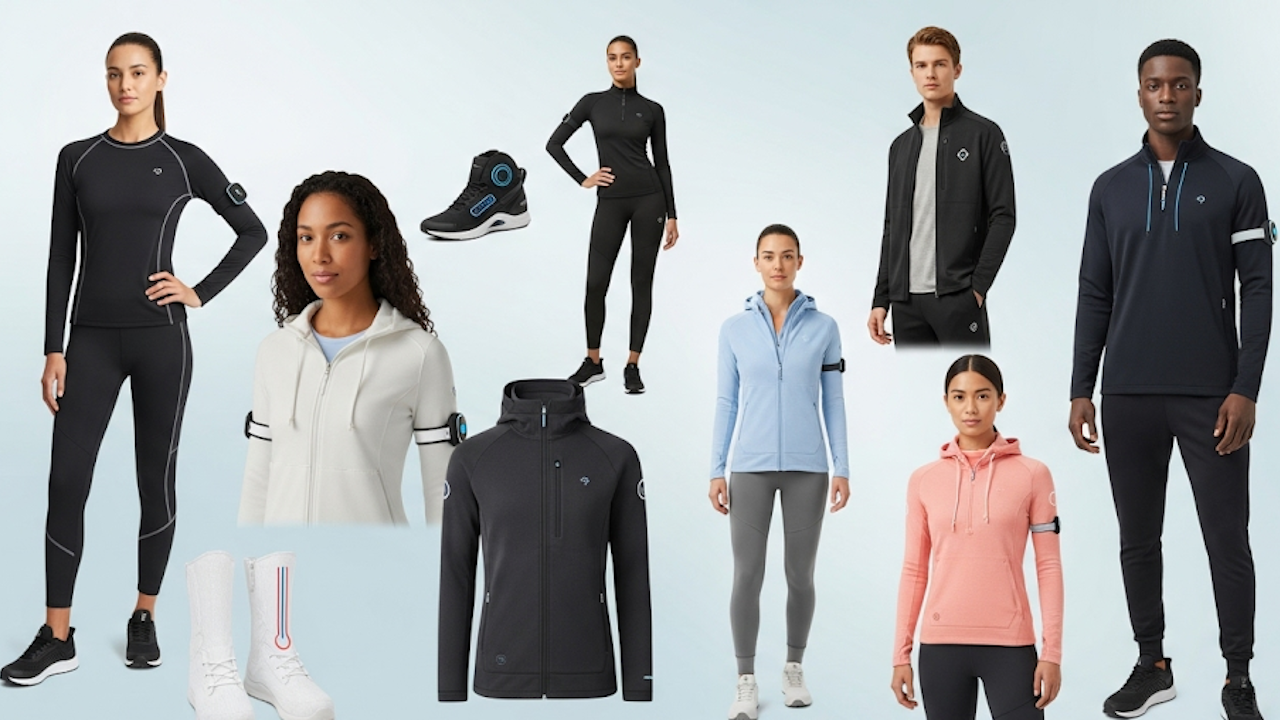
The intersection of technology and textiles has moved from science fiction to everyday wardrobes. Smart clothing, also known as e-textiles or wearable tech apparel, integrates sensors, conductive fibers, heating elements, or connectivity features directly into fabrics. These garments monitor health metrics, adjust to environmental conditions, provide haptic feedback, or allow gesture-based control of devices without pulling out a smartphone. As of 2026, the smart textiles market continues its rapid expansion, driven by advances in miniaturization, battery efficiency, and fabric integration. Consumers can now purchase functional pieces that blend style, comfort, and utility for fitness, health management, outdoor activities, and daily commuting.
This evolution addresses longstanding challenges in traditional wearables like smartwatches or fitness bands, which sit separately on the body. Smart clothing embeds technology seamlessly, making monitoring continuous and less intrusive. Early experiments in the field date back decades, but recent improvements in washable electronics, flexible sensors, and affordable production have brought viable products to market. While some high-concept items remain prototypes or enterprise-only, a growing selection of consumer-ready smart clothing is available online and in stores today.
Gesture-Controlled Jackets: Interaction Without Distraction
One of the pioneering examples of smart clothing is the Levi’s Trucker Jacket with Jacquard by Google. This denim jacket incorporates conductive threads woven into the left cuff, creating a touch-sensitive panel. Paired with a small removable Bluetooth tag, it enables gesture controls for smartphone functions. Users can swipe or tap the sleeve to play or pause music, skip tracks, answer calls, get navigation directions, or check notifications. The design targets commuters, particularly cyclists, who benefit from keeping their eyes on the road and hands on the handlebars.
The jacket maintains the classic Levi’s aesthetic, with options for sherpa lining in colder weather. Battery life supports extended use, and the tag detaches for washing. Earlier versions allowed up to 10 or 30 washes depending on the model, with care instructions to avoid dry cleaning the smart components. While production of new units may vary, pre-owned or remaining stock appears on resale platforms, and the concept demonstrated how everyday apparel could become interactive. Similar conductive fabric approaches have influenced later developments in touch-sensitive textiles.
Biometric Monitoring Shirts for Health and Performance
For athletes and health-conscious users, biometric smart shirts provide detailed physiological data. Hexoskin Smart Garments stand out as comfortable shirts embedded with textile sensors that track cardiac activity, respiratory rate, sleep patterns, and movement. The system delivers precise metrics without bulky chest straps or separate devices. Users sync data via Bluetooth to a companion app for analysis, making it suitable for training optimization, recovery tracking, or even remote medical monitoring.
Hexoskin garments have seen use in research and professional sports settings due to their accuracy and washability. They offer a non-intrusive alternative to traditional monitors, as the sensors integrate directly into the fabric. Pricing positions them as a premium option, reflecting the advanced sensor array. Other biometric tops from various brands have followed, focusing on heart rate variability, stress levels, or activity intensity, though Hexoskin remains a consistent player in continuous monitoring.
Under Armour explored connected fitness apparel in past lines, including shoes with embedded sensors for gait analysis and form coaching when paired with apps like MapMyRun. While some earlier connected footwear lines emphasized ecosystem integration with watches and headphones, the broader push into smart textiles highlighted how apparel could contribute to performance insights.
Smart Socks for Fitness and Medical Needs
Smart socks represent a practical niche where textiles meet targeted health monitoring. Sensoria Fitness Socks incorporate sensors to track running metrics such as foot landing, cadence, and stride. The data helps runners improve technique and reduce injury risk through app-based feedback. These socks pair with a small ankle module for wireless connectivity.
On the medical side, Siren Diabetic Socks address a critical need for people with diabetes and neuropathy. These machine-washable and dryable socks use embedded temperature sensors at multiple points on the foot. Inflammation, an early sign of potential ulcers, causes localized temperature rises. The system alerts users via a smartphone app when differences exceed safe thresholds, enabling early intervention. Clinical studies support temperature monitoring as a method to reduce foot ulcer incidence significantly. Siren socks function as an FDA-registered Class I medical device, requiring no prescription in many cases, and integrate into daily routines like regular socks. They emphasize comfort with seamless, moisture-wicking designs.
These socks illustrate how smart clothing extends beyond fitness into preventive healthcare, particularly for aging populations or those managing chronic conditions.
Heated Apparel: Active Temperature Regulation
Temperature-regulating clothing has gained popularity for outdoor enthusiasts, workers in cold environments, and anyone facing variable weather. Heated jackets, vests, gloves, and socks use thin, flexible heating elements powered by rechargeable lithium-ion batteries. Brands like Ororo, Ravean, Milwaukee, and Fieldsheer offer models with multiple heat zones and settings, providing hours of warmth on a single charge.
Ororo heated jackets often feature water-resistant fabrics, detachable hoods, and long battery life, with some models lasting up to 10 hours on lower settings. They suit activities from hiking to commuting or jobsite work. Ravean emphasizes lightweight, stylish designs with carbon-fiber or similar elements for even heat distribution. Milwaukee’s M12 line targets rugged professional use, integrating with existing power tool batteries for convenience.
More advanced concepts, such as Ministry of Supply’s Mercury Intelligent Heated Jacket, aimed for adaptive heating that responds to body temperature or voice commands via app or smart home integration. While availability of the most intelligent versions fluctuates, standard battery-heated options remain widely purchasable on major retailers like Amazon, with prices ranging from budget-friendly entry points to premium builds.
Heated socks and gloves extend the category, helping with circulation issues or extreme cold exposure. These items typically include thin wiring that withstands washing when batteries are removed.
Emerging and Niche Smart Clothing Options
Additional products push boundaries in specific areas. Yoga pants with haptic feedback, such as past Nadi X models, vibrated to guide posture and alignment during practice. Compression sleeves or armbands with ECG and heart rate sensors, like certain AIO models, target medical or performance users.
Cooling garments exist in limited forms, though heating dominates consumer markets. Some workwear incorporates phase-change materials or ventilation for passive regulation, but active smart elements focus more on heating and sensing.
The broader category includes safety-oriented items, such as high-visibility smart jackets with integrated lights or connectivity, though these often lean toward professional or industrial applications.
Benefits, Challenges, and Considerations for Buyers
Smart clothing offers several advantages. Continuous monitoring without separate devices improves data accuracy and user adherence. Gesture controls reduce phone dependency during activities. Temperature management enhances comfort in harsh conditions. For medical users, early alerts can prevent serious complications, potentially reducing healthcare costs.
Durability remains a key factor. Most products allow washing with removable modules, but users must follow care guidelines to preserve electronics. Battery life varies by usage and settings, with recharging required regularly. Sizing and fit matter, as embedded sensors or heaters perform best with proper contact to the body.
Cost presents a barrier. Basic heated jackets start around $100 to $200, while advanced biometric shirts or medical socks can exceed $300 or more per pair or set. Battery replacements or accessories add to long-term expenses. Privacy concerns arise with health data collection, so reviewing app permissions and company policies is advisable.
Compatibility with smartphones is essential, as most items rely on Bluetooth and companion apps for full functionality. Android and iOS support is common, but checking requirements prevents issues.
The Road Ahead for Smart Clothing
As of 2026, smart clothing has transitioned from novelty to practical tools in niches like fitness, health management, and outdoor gear. Market projections indicate continued growth, fueled by better materials, AI integration for smarter responses, and falling production costs. Future developments may include energy-harvesting fabrics, self-adjusting fits, or broader integration with augmented reality and smart home systems.
For now, consumers can experiment with accessible options. A heated jacket provides immediate comfort on chilly days. Smart socks offer peace of mind for runners or those managing foot health. Biometric shirts deliver insights for training. The Levi’s Jacquard example, though older, paved the way for intuitive interactions in apparel.
When shopping, prioritize reputable brands with clear warranties and user reviews. Test fit and features where possible, and consider how the item fits into your lifestyle. Smart clothing works best when it solves a real need rather than adding complexity.
The fusion of tech and textiles is still maturing, but the products available today demonstrate tangible progress. They make clothing more than fabric. They turn garments into active participants in health, safety, and convenience. As innovation accelerates, expect even more seamless and affordable options to reach store shelves and online marketplaces in the coming years. For early adopters or those seeking specific solutions, the current selection already delivers meaningful upgrades to everyday wear.