

Budget airlines, also known as low-cost carriers (LCCs), have transformed air travel from a luxury reserved for the few into an accessible option for millions. In 2025, these carriers continue to dominate short- and medium-haul routes by offering low base fares and charging extra for services once included in the ticket price. Their success stems from efficient operations, high aircraft utilization, and a relentless focus on cost control. As global travel demand rebounds and expands, budget airlines play a central role in making the skies more affordable.
The Rise and Evolution of Budget Airlines
The concept of budget airlines dates back decades, but it gained massive traction in the 1990s and 2000s. Pioneers like Southwest Airlines in the United States and Ryanair in Europe demonstrated that stripping away frills could lower costs dramatically while filling planes with price-sensitive passengers. Southwest popularized the point-to-point model, flying directly between secondary airports to avoid high fees at major hubs. Ryanair took this further by introducing aggressive ancillary fees and operating one of the youngest fleets in Europe.
By 2025, the global low-cost carrier market has matured into a powerhouse. Market valuations for 2025 place it between approximately 320 billion and 350 billion US dollars, with projections showing strong compound annual growth rates exceeding 15 percent in the coming years. Asia-Pacific leads the charge, holding around 39 percent market share, driven by carriers like IndiGo and AirAsia. Europe follows closely with established players such as Ryanair and easyJet, while North America relies on Southwest and newer ultra-low-cost entrants.
This growth reflects broader trends. Rising middle-class populations in emerging markets, increased tourism, and post-pandemic pent-up demand have fueled passenger numbers. Budget airlines have capitalized by expanding fleets and routes, often connecting smaller cities that legacy carriers overlook.
Key Players Shaping 2025
Several airlines stand out in the budget segment for 2025.
AirAsia from Malaysia retains its position as the world’s best low-cost airline for the 16th consecutive year according to Skytrax. Its extensive network across Southeast Asia, strong on-time performance, and customer-friendly approach make it a favorite. AirAsia targets 70 million passengers in 2025 and continues to expand its influence through subsidiaries.
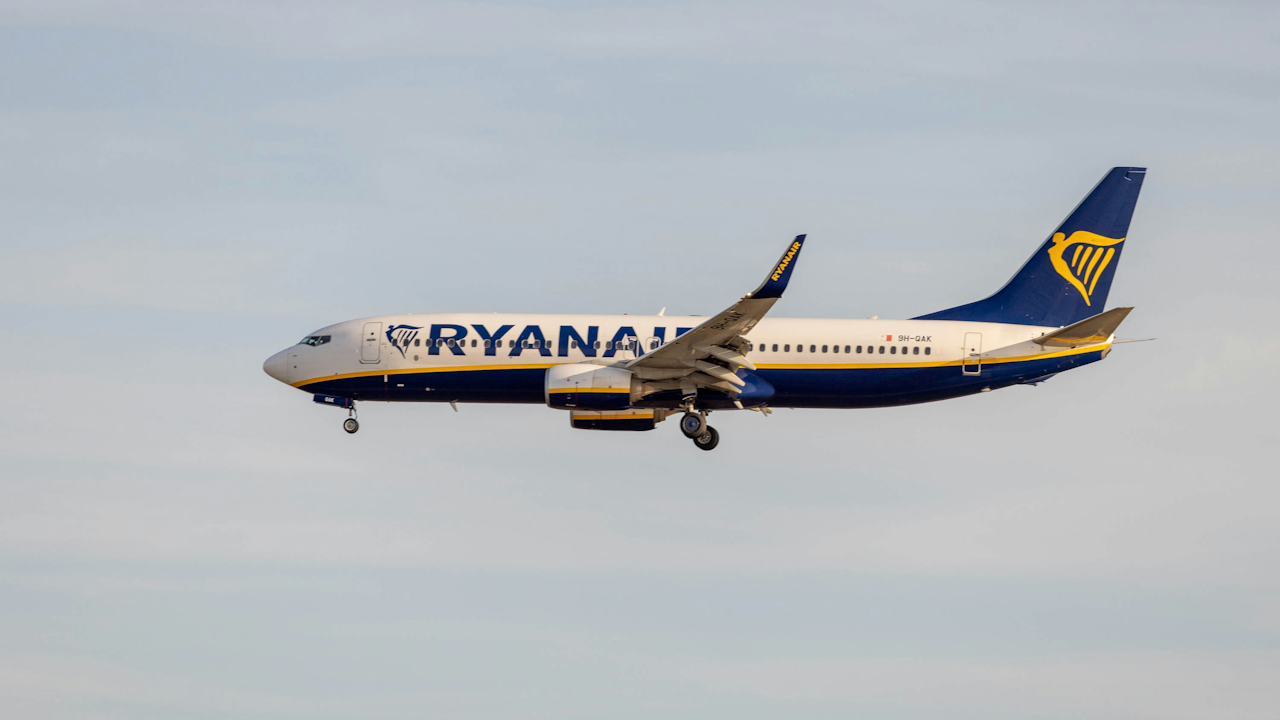
In Europe, Ryanair remains a giant, becoming the first European airline to carry over 200 million passengers annually. It excels at high-density operations and ancillary sales. easyJet focuses on slightly more premium experiences within the low-cost model, serving primary airports and appealing to both leisure and business travelers. Wizz Air targets Eastern Europe with ultra-low fares.
India’s IndiGo dominates domestically, handling nearly two-thirds of the country’s flights. Its large Airbus fleet and punctuality have propelled rapid growth. In the United States, Southwest Airlines operates the largest low-cost fleet with around 800 Boeing 737 aircraft and serves thousands of routes. Other notable names include Scoot (Singapore), Jetstar (Australia), and FlyDubai (UAE).
These carriers differ in style but share core strategies: single aircraft types for maintenance savings, quick turnaround times, and minimal onboard services.
The Budget Airline Business Model
Budget airlines thrive on several pillars. They use a point-to-point network instead of complex hub-and-spoke systems, which reduces connection times and operational complexity. High aircraft utilization (often 12 or more hours per day) spreads fixed costs over more flights. Uniform fleets lower training and parts expenses.
Ancillary revenues form the backbone of profitability. Passengers pay for extras such as checked baggage, seat selection, priority boarding, onboard meals, and travel insurance. In 2025, global airlines are projected to generate a record 157 billion dollars from these fees, representing a significant portion of revenue for pure low-cost operators. Ryanair and similar carriers have refined this model, sometimes deriving over 30 percent of income from add-ons.
Digital innovation supports this approach. Advanced booking platforms use dynamic pricing based on demand, browsing history, and other factors. Mobile apps and websites encourage direct bookings, cutting out middleman commissions. Many carriers now experiment with personalized offers and bundled packages to increase uptake of paid services.
Benefits for Travelers and the Industry
The primary advantage is affordability. Base fares have dropped significantly over the years, making short trips viable for budget-conscious families, students, and weekend travelers. A flight that once cost hundreds of dollars might now start at under 50 dollars, though total costs rise with add-ons. This democratization of travel has boosted tourism, stimulated regional economies, and increased competition that forces even full-service airlines to lower prices on overlapping routes.
Budget airlines also create jobs in aviation, tourism, and related sectors. By serving secondary airports, they revive local economies in areas far from major hubs. Environmentally conscious travelers appreciate newer, fuel-efficient fleets that reduce emissions per passenger compared to older aircraft.
Challenges and Criticisms in 2025
Despite successes, budget airlines face notable hurdles. Fuel prices remain volatile and represent a major expense. In 2025, rising jet fuel costs have pressured margins, particularly for ultra-low-cost carriers with slim buffers.
Sustainability presents another pressing issue. Governments push for sustainable aviation fuel (SAF) mandates, but SAF costs two to three times more than traditional fuel and supply remains limited. Budget carriers, operating on thin margins, struggle to absorb these costs without raising fares, potentially undermining their value proposition.
Intense competition leads to market saturation on popular routes. Labor shortages, supply chain issues for aircraft parts, and regulatory pressures add complexity. Customer service complaints are common, as passengers sometimes feel nickel-and-dimed by fees or frustrated by strict policies on baggage and changes. Delays or cancellations can feel more disruptive without the amenities of legacy carriers.
In some regions, consolidation or financial difficulties have emerged. Ultra-low-cost models prove especially vulnerable during economic slowdowns when demand softens.
Innovations Driving the Future
Budget airlines adapt through technology and new strategies. Many invest in larger aircraft for better economies of scale on longer routes. Some explore hybrid models that offer basic and premium tiers within the same flight.
Digital tools enhance the passenger experience while boosting revenue. Artificial intelligence helps with dynamic pricing, predictive maintenance, and personalized recommendations. Contactless boarding, improved apps, and seamless integration of ground services (hotels, car rentals) create additional income streams.
Fleet modernization continues, with orders for next-generation aircraft that promise lower fuel burn and quieter operations. Partnerships with rail services or other transport modes create multimodal offerings that appeal to eco-aware travelers.
In Asia, rapid urbanization drives domestic and intra-regional expansion. In Europe and North America, carriers focus on leisure markets and secondary cities to sustain growth.
Impact on Global Travel
Budget airlines have reshaped the entire aviation ecosystem. Legacy carriers have responded by launching their own low-cost subsidiaries or unbundling services. The overall effect is more choices and generally lower prices for consumers, though total travel costs depend on individual selections.
Tourism boards in many countries actively court these carriers to increase visitor numbers. Small airports have expanded terminals and infrastructure to accommodate growing traffic. The model has proven particularly effective in emerging markets where price sensitivity is high.
Looking Ahead Beyond 2025
The outlook remains positive but requires adaptation. Market forecasts suggest the low-cost segment will continue expanding toward 2030 and beyond, potentially reaching trillions in value as air travel demand grows. Success will depend on balancing cost control with passenger expectations, navigating environmental regulations, and leveraging data analytics.
Carriers that invest wisely in technology, sustainable practices, and customer-centric innovations will likely thrive. Those clinging too rigidly to outdated ultra-low-cost tactics may struggle as travelers demand better experiences alongside low prices.
Conclusion
In 2025, budget airlines embody the promise of affordable skies. They have made flying routine for ordinary people while challenging the industry to become more efficient and competitive. Though not without flaws or obstacles, their role in expanding access to global connectivity is undeniable. As the sector evolves, these carriers will remain essential in shaping how millions experience travel for years to come. Whether jetting off for a quick city break or exploring new destinations, passengers owe much of that opportunity to the budget airline revolution.