

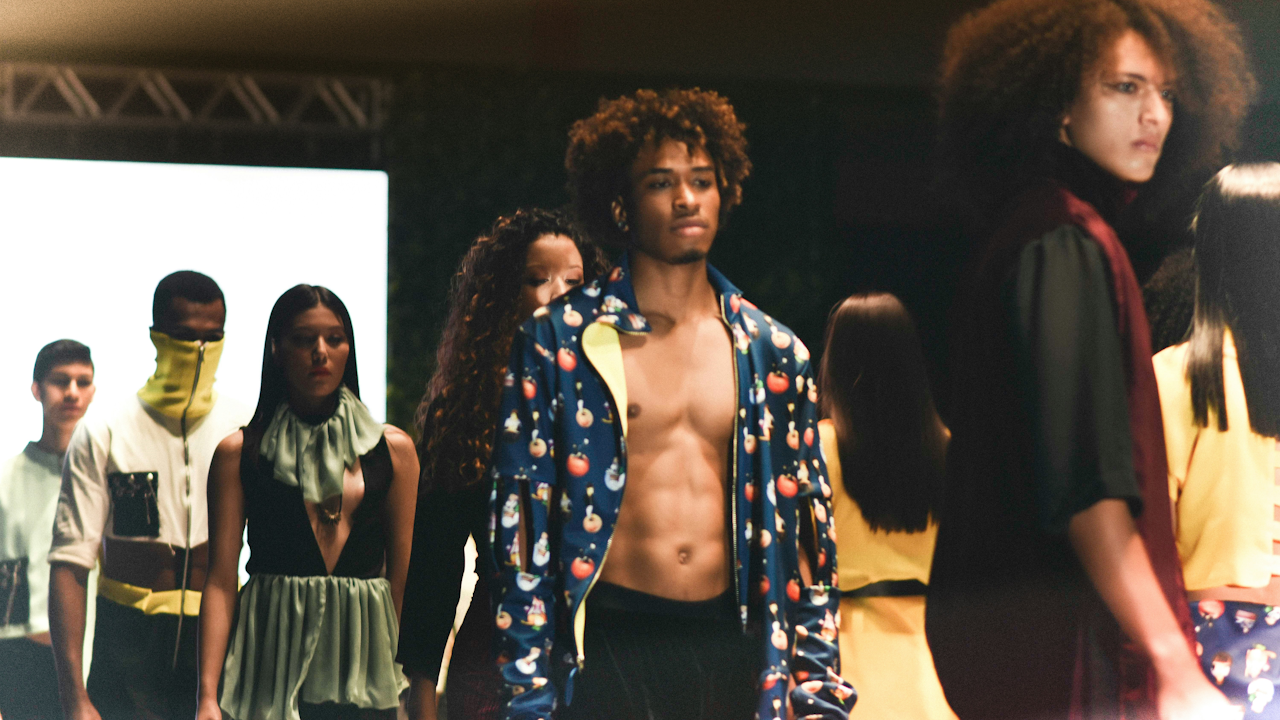
Genderless fashion has moved from the margins of experimental runways to the center of everyday wardrobes. By 2026 it stands as one of the most defining movements in global style. Designers no longer treat clothing as a declaration of binary identity. Instead they create pieces that prioritize fit, comfort, and personal expression over traditional labels of menswear or womenswear. The term genderless, also called gender neutral or unisex, describes garments designed without specific gender codes in mind. These clothes feature fluid silhouettes, versatile proportions, and adaptable details that work across bodies and identities. What began as a cultural pushback against rigid norms has become a practical response to demands for inclusivity, sustainability, and authenticity. This article breaks down the history, drivers, key elements, industry shifts, challenges, and future of genderless fashion trends as they stand today.
To understand the present it helps to look at the past. Genderless fashion did not appear overnight. Its roots stretch back to the 1960s and 1970s when social upheaval, second wave feminism, and youth counterculture challenged postwar gender stereotypes. Hippie movements embraced loose caftans and unisex tunics. Icons such as David Bowie and Annie Lennox performed in tailored suits, bodysuits, and androgynous makeup that blurred lines on stage and off. The unisex trend peaked briefly around 1968 with matching his and hers collections from major retailers, but it soon gave way to a stylistic backlash in the 1980s that reemphasized exaggerated femininity and hypermasculinity. Grunge in the 1990s revived a more relaxed, layered approach that mixed oversized flannel shirts and baggy jeans without regard for gender. Japanese street style also contributed through gender fluid looks that influenced global youth culture. These earlier waves planted seeds of rebellion and experimentation. Todays genderless fashion builds on that foundation while addressing modern realities such as digital visibility, climate awareness, and greater societal acceptance of nonbinary identities.
Several forces have accelerated the current surge. Gen Z consumers, who grew up with social media and fluid understandings of identity, view clothing as a tool for self expression rather than conformity. Platforms like TikTok and Instagram amplify looks that mix traditionally masculine tailoring with softer elements or vice versa. Celebrities and musicians have played visible roles too. K pop stars routinely wear cropped jackets, slouchy knits, and jewelry once marketed only to women. Luxury houses have responded by casting diverse models and showing collections where skirts appear on men and boxy blazers on women without fanfare. Sustainability adds another powerful incentive. Creating fewer gendered versions of the same garment reduces overproduction and waste. Brands can streamline manufacturing by focusing on universal sizing and modular designs that extend garment life through repair or resale. Economic pressures also matter. Shoppers seek versatile pieces that transcend seasonal trends or life stages. The result is a market where genderless options now appear in both high end collections and accessible retail lines. This shift reflects broader cultural changes including greater visibility for LGBTQ communities and a rejection of outdated marketing that once segmented customers strictly by gender.
Current trends for 2025 and 2026 reveal clear patterns in silhouette, color, fabric, and styling. Silhouettes emphasize fluidity and proportion over tight fits. Oversized blazers, relaxed fit trousers, and drop shoulder tops dominate because they drape comfortably on a wide range of bodies. Boxy shirts pair with wide leg pants or cargo styles for a structured yet effortless look. Designers also experiment with romantic fabrics meeting sharp tailoring. Sheer layers or soft knits contrast with structured outerwear to create tension and interest. Raw unpolished denim appears everywhere in straight leg jeans, chore jackets, and long shorts that feel unisex by design. Bermuda shorts have returned as a gender neutral staple offering coverage and ease for warmer months. Outerwear trends favor puffer jackets and statement coats that prioritize warmth and volume without clinging to curves. Accessories follow suit with tinted sunglasses, crossbody bags, and minimal jewelry that avoid gendered tropes. The overall aesthetic favors adaptability. A single piece might layer under a suit jacket one day and over a graphic tee the next. This versatility appeals to consumers who want wardrobes that evolve with their moods rather than dictate them.
Color palettes lean toward neutrals but include strategic pops that feel inclusive rather than prescriptive. Earth tones, grays, blacks, whites, and creamy yellows create easy mixing opportunities. Creamy yellow has emerged as a standout shade for 2026 because it adds warmth without overwhelming the wearer. Bold patterns appear sparingly yet intentionally. Graphic tees with abstract prints or utility vests with subtle detailing allow personality to shine through without forcing a binary statement. Fabrics themselves have advanced. Jersey knits offer stretch and softness for all day comfort. Recycled fibers and smart textiles that adapt to body temperature appear in progressive collections. Organic cotton and innovative blends support sustainability goals while maintaining durability. These choices reflect a design philosophy that values longevity and wearability over fleeting novelty.
Brands and designers have embraced this direction with varying approaches. Independent labels often lead with radical inclusivity. TomboyX expanded from undergarments to full wardrobes featuring essential clothing that fits diverse bodies without compromise. Telfar built a democratic ethos around accessible unisex apparel including graphic tees and sweat suits that sell out quickly because they feel universal. Neutrale focuses on timeless everyday essentials made from organic and recycled materials in Spain and Portugal. Pangaia combines material science with lounge friendly silhouettes that feel equally right on any wearer. Wildfang and Bode bring tailored yet carefree options that celebrities of all genders adopt. Luxury houses have integrated genderless thinking at scale. Rick Owens continues to produce darkly romantic draped forms that refuse classification. Jonathan Anderson at Loewe crafts pieces through intellectual exercises in proportion that feel inherently sophisticated rather than neutral by default. Prada mixes feminine bows with boxy shapes in recent collections. Valentino presented its Beyond Binary line as a celebration of fluidity. Even mass market players like Uniqlo have expanded unisex categories with thermals, bags, and basics that cross traditional aisles. These examples show how genderless fashion spans price points and aesthetics while maintaining core principles of versatility and respect for the individual.
The cultural and social impact reaches far beyond clothing racks. Genderless fashion promotes broader acceptance by normalizing style without labels. It empowers people to dress according to how they feel rather than how society expects them to appear. For nonbinary and transgender individuals this can reduce daily friction around shopping and self presentation. For everyone else it opens creative possibilities that were once limited by marketing. The movement also influences industry standards. Runways now feature more inclusive casting and sizing. Retailers have begun rethinking store layouts to mix categories rather than separate them by gender. Online platforms offer filters for unisex or gender free items that simplify discovery. Economically the approach supports conscious consumption. Fewer duplicated designs mean less inventory waste and more focus on quality. Socially it challenges stereotypes that once linked certain fabrics or cuts to specific genders. Men wearing flowy knits or women choosing structured utility pieces no longer raise eyebrows in most urban settings. This normalization contributes to wider conversations about identity, equality, and personal freedom.
Despite its progress genderless fashion faces challenges. Some collections still skew toward traditionally masculine silhouettes such as oversized or boxy cuts that may not flatter every body type equally. Inclusive sizing remains inconsistent across brands. Critics argue that certain designs prioritize aesthetics over practical fit for plus size or petite wearers. There is also debate about whether true genderlessness requires completely erasing references to historical gender codes or simply allowing free mixing of them. Commercialization brings risks too. Fast fashion brands sometimes adopt the label without investing in ethical production or genuine inclusivity which can dilute the movements original values. Political backlashes against LGBTQ rights in some regions have occasionally led designers to pull back from overtly fluid collections though many remain committed regardless. Consumers sometimes misunderstand genderless fashion as requiring androgynous looks only when in reality it encompasses a spectrum from minimalist basics to bold experimental statements. Education and transparent design processes help address these gaps.
Building a genderless wardrobe requires little more than intention and experimentation. Start with core staples that offer maximum versatility. Tailored button down shirts in neutral colors work for both professional and casual settings. Straight leg or relaxed fit jeans in durable denim provide a foundation that pairs with almost anything. Basic tees and tops in soft jersey serve as layering pieces or standalone options. Add utility inspired items such as cargo pants, vests, or chore jackets for texture and function. Outerwear like puffer jackets or oversized blazers completes the look while offering year round adaptability. Focus on quality fabrics that age well and accessories that enhance rather than define. The goal is a capsule collection where every item can be restyled endlessly. Shoppers can draw inspiration from street style on social media or from runway reports that highlight mixed gender presentations. The process feels liberating because it shifts focus from fitting a category to curating what feels right personally.
Looking ahead genderless fashion shows no signs of slowing. Innovations in technology will likely accelerate its growth. AI driven personalized sizing could eliminate fit issues that still plague some collections. Adaptive garments with modular elements or temperature regulating fabrics will appeal to consumers seeking both style and performance. Digital retail experiences may allow virtual try ons that preview how pieces look across body types and identities. Sustainability will remain central as brands explore circular models including repair programs and resale platforms that extend garment lifecycles. Cultural influences from global regions will continue to enrich the aesthetic. Eastern traditions of layered robes and Western tailoring may fuse in unexpected ways. Younger generations will push boundaries further by treating fashion as mood driven storytelling rather than fixed identity markers. Major retailers and luxury houses alike are investing in this direction because data shows strong consumer demand. The future points toward even greater fluidity where clothing serves as an extension of individuality rather than a restriction.
Genderless fashion ultimately represents more than a trend. It signals a deeper societal evolution toward acceptance and creativity. By breaking down outdated binaries it invites everyone to participate in style on their own terms. The clothes themselves become tools for confidence, comfort, and connection. As designers refine techniques and consumers embrace the possibilities the movement will keep expanding. What feels radical today may seem standard tomorrow. In that sense genderless fashion mirrors the broader human desire for freedom. It reminds us that style at its best transcends labels and celebrates the unique stories each person brings to the world. Whether through a simple oversized shirt or a thoughtfully constructed suit the message remains clear. Fashion belongs to everyone and it looks better when it fits the wearer rather than the other way around.