

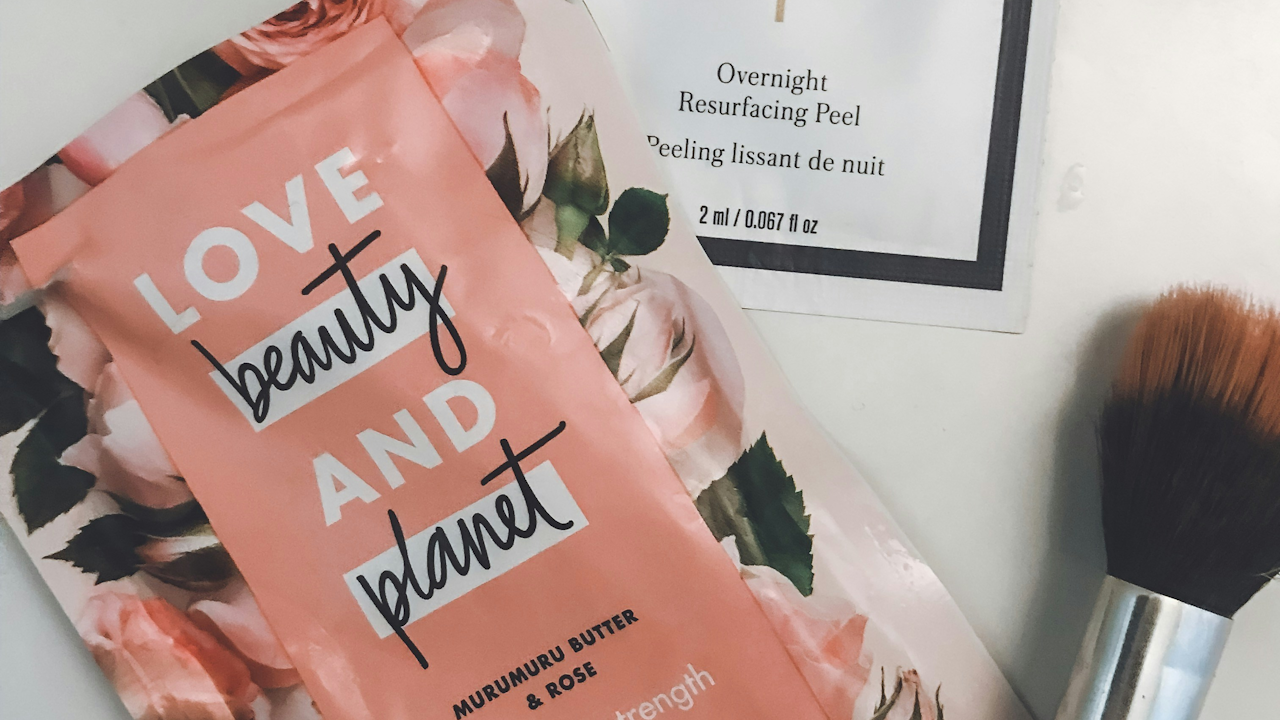
Beauty rituals have existed for thousands of years across every corner of the globe. They represent far more than superficial grooming. These practices embody cultural values, spiritual beliefs, social customs, and accumulated wisdom about health and appearance. From ancient herbal preparations to elaborate communal bathing ceremonies, beauty rituals connect people to their heritage while addressing universal desires for healthy skin, lustrous hair, and a sense of well-being. In this article we explore a wide range of traditions from different regions, examining their history, methods, ingredients, and enduring appeal.
Asian Traditions
Japan has developed one of the most meticulous beauty systems in the world. The traditional Japanese skincare routine emphasizes gentle cleansing and layering of lightweight products. A typical regimen begins with an oil-based cleanser to remove impurities without stripping the skin, followed by a water-based cleanser. Women and men alike have long used rice water to brighten and tone the complexion. Fermented rice water contains enzymes and amino acids that help exfoliate and improve texture. Geisha and maiko performers follow distinctive rituals including the application of white rice powder foundation called oshiroi, paired with red safflower petal lip color and black charcoal-like eyeliner. Modern Japanese beauty culture also incorporates green tea extracts and camellia oil for their antioxidant properties.
In South Korea, beauty is approached with scientific precision and daily dedication. The famous multi-step skincare routine often involves ten or more products applied in a specific order: oil cleanser, foaming cleanser, exfoliant, toner, essence, serum, sheet mask, eye cream, moisturizer, and sunscreen. Ingredients such as snail mucin, centella asiatica, and fermented botanicals feature prominently. Korean women have historically valued pale, clear skin as a sign of refinement, leading to widespread use of rice powder and herbal infusions. Bathhouses known as jjimjilbang serve as social and therapeutic spaces where people sweat in heated rooms and receive body scrubs that remove dead skin layers.
India draws from the ancient system of Ayurveda, which balances the three doshas or energies in the body through personalized beauty care. Turmeric mixed with yogurt or honey creates a popular face mask that reduces inflammation and imparts a natural glow. Ubtan, a paste made from chickpea flour, turmeric, sandalwood, and rose water, is applied during pre-wedding ceremonies for both bride and groom to exfoliate and brighten skin. Hair care involves warm oil massages using coconut, sesame, or amla oil to strengthen roots and prevent premature graying. Oil pulling, the practice of swishing sesame or coconut oil in the mouth each morning, is believed to detoxify the body and promote oral health. Henna designs on hands and feet during festivals and weddings serve both decorative and conditioning purposes.
China has contributed practices centered on harmony between inner health and outer appearance. Jade rolling and gua sha tools made from jade or rose quartz have been used for centuries to massage the face, improve circulation, and reduce puffiness. Emperors and noblewomen consumed pearl powder for its purported skin-brightening minerals. Herbal teas containing goji berries, chrysanthemum, and ginseng support skin health from within. Foot soaks with ginger and medicinal herbs remain common for relaxation and detoxification.
African and Middle Eastern Practices
Morocco is renowned for its hammam tradition, a steam bath ritual that combines physical cleansing with social bonding. Inside the hammam, bathers apply black soap made from olive oil and eucalyptus, then undergo vigorous scrubbing with a kessa glove to remove dead skin. Rhassoul clay from the Atlas Mountains is used as a hair and body mask, absorbing impurities and adding volume. Argan oil, often called liquid gold, serves multiple purposes as a moisturizer, hair conditioner, and nail treatment. Berber women have passed down these techniques for generations.
In Egypt, beauty rituals date back to pharaonic times. Cleopatra reportedly bathed in donkey milk and honey for soft skin. Kohl, a dark powder made from galena or soot, was applied around the eyes not only for aesthetic enhancement but also for protection against sun glare and bacteria. Egyptians used natron salts for cleansing and alabaster jars to store scented oils and unguents containing myrrh, frankincense, and lotus.
Ethiopia and other East African regions feature butter-based treatments. Women in some communities apply raw shea butter or a mixture of shea and essential oils to protect skin from harsh sun and dry winds. In certain West African traditions, such as among the Yoruba people, black soap (made from plantain skins, cocoa pods, and palm oil) is used for its gentle yet effective cleansing properties. Some communities practice body painting with natural clays and pigments during ceremonies.
Turkey maintains the hamam culture similar to Morocco but with distinct Ottoman influences. The ritual includes a full body exfoliation followed by a foam massage using olive oil soap. Rose water and Turkish delight-inspired floral essences appear in many skincare preparations. Henna is applied not only for weddings but also as a weekly hair treatment to add shine and cover grays.
European Approaches
France has cultivated an image of effortless elegance. French beauty rituals emphasize quality over quantity, focusing on proper cleansing, hydration, and sun protection. Many women swear by thermal spring water sprays for refreshing the skin throughout the day. Vinotherapy, or treatments using grape seeds and wine extracts, originated in French spas and leverages the antioxidant power of polyphenols. Perfume application is itself a ritual, with women choosing signature scents that reflect personal style rather than following trends.
Italy celebrates natural ingredients from its diverse landscapes. Olive oil serves as a classic makeup remover and body moisturizer. Women in southern regions have long used lemon juice for lightening hair and tomatoes for brightening skin due to their lycopene content. The Mediterranean diet rich in fresh vegetables, fish, and olive oil supports skin health from the inside. In Tuscany and other areas, women visit thermal baths fed by natural mineral springs for detoxification and relaxation.
Scandinavian countries prioritize simplicity and connection with nature. Sauna rituals in Finland involve extreme heat followed by cold plunges or snow rolling to stimulate circulation and create a glowing complexion. Birch branches are sometimes used for gentle exfoliation during sauna sessions. Cloudberry and lingonberry extracts provide high levels of vitamin C for brightening serums. The emphasis remains on resilient, healthy skin rather than heavy coverage.
The Americas
In Brazil, beauty rituals reflect the country’s vibrant mix of indigenous, African, and European influences. Body scrubs made from coffee grounds and sugar help reduce cellulite appearance and improve circulation. Hair care often involves coconut oil masks or murumuru butter from the Amazon for deep conditioning. Many Brazilian women practice depilation with specialized threads or natural resins. Beach culture encourages year-round attention to skin hydration and sun protection.
Mexico preserves indigenous traditions alongside colonial influences. Ancient Maya and Aztec cultures used chia seeds, cacao, and cornmeal for face and body masks. Copal resin incense was burned during beauty preparations for its purifying properties. Modern Mexican women continue using aloe vera directly from the plant for soothing sunburns and hydrating skin. In some regions, women apply avocado masks rich in healthy fats for hair and face.
Native American tribes across North America developed plant-based rituals tied to local ecosystems. Many used yucca root as a natural shampoo that creates lather and cleanses without stripping oils. Sage and sweetgrass smudges served spiritual cleansing purposes that extended to personal grooming rituals. Some tribes applied red ochre or other mineral pigments for ceremonial body decoration.
Oceania and Beyond
In Polynesian cultures, particularly in Hawaii and Samoa, coconut oil plays a central role. Monoi oil, infused with tiare flowers, is used for hair and skin. Traditional tattooing (tatau) represents both beauty and cultural identity, with the process itself involving communal rituals and natural inks. In New Zealand, Maori women have used harakeke (flax) gel for its moisturizing and healing properties.
Australian Aboriginal traditions include the use of emu oil for its deep penetrating moisturizing effects and anti-inflammatory benefits. Various bush plants provide natural dyes and treatments passed down through oral traditions.
Modern Adaptations and Global Exchange
Contemporary beauty practices increasingly blend traditional rituals with scientific validation. Many ancient ingredients have found their way into commercial products: argan oil from Morocco, Korean fermented ingredients, Ayurvedic herbs from India. This globalization allows people worldwide to incorporate beneficial practices while respecting their origins.
Social media has accelerated the sharing of these rituals, creating both opportunities for cultural appreciation and risks of appropriation. The most meaningful approach involves understanding the historical and cultural context behind each practice rather than simply adopting the visible steps.
These beauty rituals ultimately reveal shared human concerns: the desire to care for our bodies, express identity, and find moments of tranquility amid daily life. Whether through a simple oil massage or an elaborate communal bathing ceremony, they remind us that beauty encompasses physical care, cultural connection, and mindful self-attention. As the world grows more interconnected, these diverse traditions offer valuable lessons about sustainability, natural ingredients, and holistic well-being that transcend geographic boundaries. Exploring them encourages greater respect for the ingenuity and wisdom embedded in cultures worldwide.