

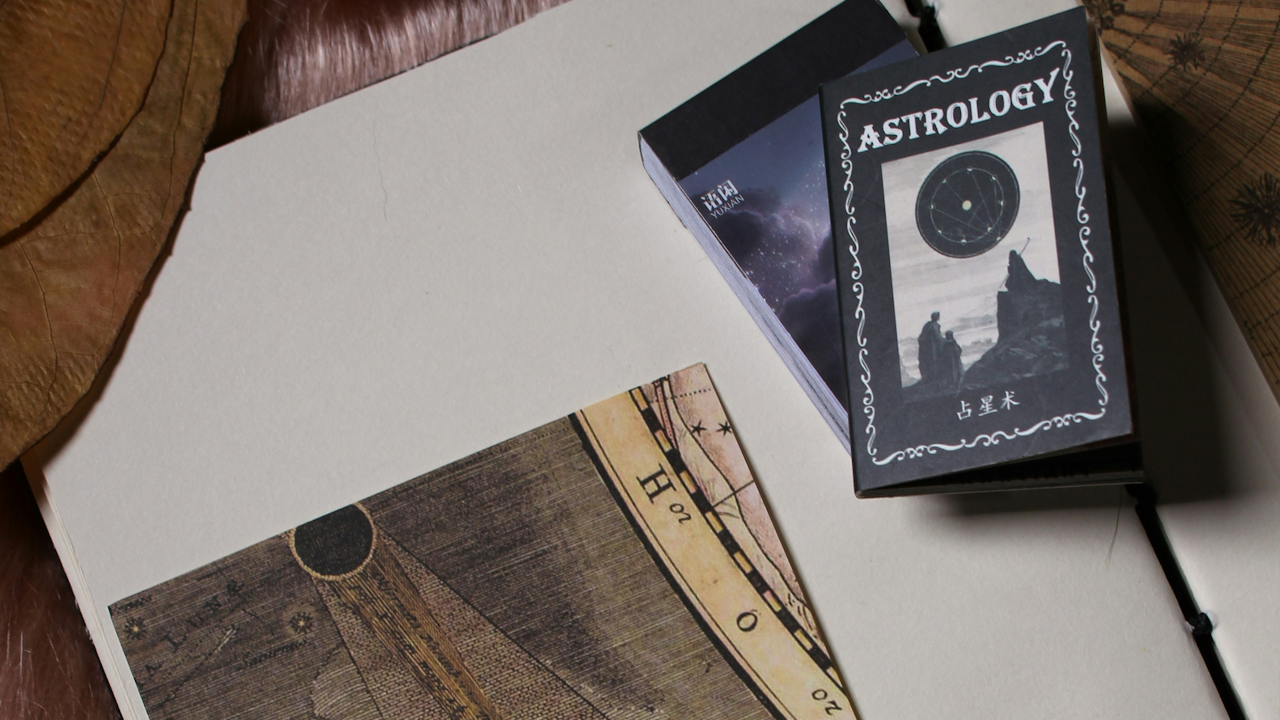
Astrology has long served as a tool for understanding human connections, particularly in romantic relationships. For thousands of years, people have turned to the positions of planets and stars at the time of birth to gain insights into personality traits, emotional needs, and potential compatibility with partners. While many view astrology as entertainment or a framework for self-reflection rather than a rigorous science, it remains popular for exploring why certain relationships feel effortless while others require more effort. This article examines how astrology breaks down compatibility, from basic sun sign matches to more nuanced planetary influences.
The Foundations of Astrological Compatibility
At its core, astrological compatibility relies on the idea that celestial bodies influence individual characteristics. The most common starting point is the sun sign, determined by the position of the sun at birth. These twelve zodiac signs are grouped into four elements: fire, earth, air, and water. Each element carries distinct qualities that shape how people interact.
Fire signs (Aries, Leo, Sagittarius) bring passion, energy, and enthusiasm. They thrive on excitement and often initiate relationships with bold gestures. Earth signs (Taurus, Virgo, Capricorn) emphasize stability, practicality, and loyalty. They seek security and build relationships through consistent actions rather than grand displays. Air signs (Gemini, Libra, Aquarius) focus on communication, intellect, and social harmony. They enjoy mental stimulation and often connect through shared ideas and conversations. Water signs (Cancer, Scorpio, Pisces) prioritize emotional depth, intuition, and empathy. They form bonds through vulnerability and shared feelings.
Compatibility often improves when signs share the same element or complementary ones. Fire and air signs tend to energize each other, creating dynamic and socially active partnerships. Earth and water signs frequently build nurturing, grounded connections that emphasize emotional and material security. However, opposite elements can also attract, leading to relationships that challenge both partners to grow.
Beyond elements, modalities play a key role. Cardinal signs (Aries, Cancer, Libra, Capricorn) initiate action and enjoy starting new chapters. Fixed signs (Taurus, Leo, Scorpio, Aquarius) provide stability and determination but can resist change. Mutable signs (Gemini, Virgo, Sagittarius, Pisces) adapt easily and bring flexibility. A cardinal sign paired with a mutable sign might experience smooth progress, while two fixed signs could face stubborn standoffs.
Sun Sign Compatibility: Popular Pairings and Challenges
Sun sign compatibility charts appear in many online resources and apps, offering quick glimpses into potential matches. Here are some commonly discussed combinations.
Aries and Libra often form a classic opposites-attract dynamic. Aries brings directness and adventure, while Libra offers diplomacy and balance. Their relationship can sparkle with mutual admiration, though Aries may grow impatient with Libra’s indecisiveness, and Libra might find Aries too impulsive.
Taurus and Scorpio represent another intense pairing of opposites. Both are fixed signs with strong wills and deep loyalty. Taurus seeks sensual comfort and reliability, while Scorpio desires emotional intensity and transformation. When aligned, they create a powerful, passionate bond. Conflicts arise from possessiveness or power struggles if trust falters.
Gemini and Sagittarius share a love for exploration and intellectual freedom. As mutable signs, they adapt well to each other’s changing moods and interests. Their connection often feels lighthearted and expansive, but they risk superficiality if neither commits to deeper emotional work.
Cancer and Capricorn balance each other through their cardinal natures. Cancer provides nurturing care and emotional security, while Capricorn offers structure and long-term planning. This pairing can build lasting foundations, particularly in family-oriented goals, though emotional expression versus practical restraint sometimes creates distance.
Leo and Aquarius highlight creativity meeting innovation. Leo craves appreciation and loyalty, while Aquarius values independence and humanitarian ideals. They inspire each other but may clash over attention needs versus freedom requirements.
Virgo and Pisces combine practicality with compassion. Virgo analyzes and serves through helpful actions, while Pisces brings intuition and unconditional love. Their differences can complement beautifully in supportive roles, yet Virgo’s criticism might overwhelm Pisces’ sensitivity.
Not all same-sign pairings work equally. Two Leos might compete for the spotlight, while two Cancers could retreat into emotional shells during conflict. Same-element matches like two air signs often communicate effortlessly but may lack grounding.
These sun sign descriptions provide broad strokes. Real compatibility depends on far more than one placement.
Beyond Sun Signs: Venus, Mars, Moon, and Rising
For deeper analysis, astrologers examine multiple planets. Venus governs love, attraction, and values. Its sign reveals how someone expresses affection and what they seek in romance. A Venus in Taurus person might prioritize physical touch and stability, while Venus in Aquarius could value friendship and intellectual freedom first.
Mars indicates passion, drive, and conflict style. Mars in Aries brings fiery directness in pursuit and arguments, whereas Mars in Libra seeks harmony and may avoid confrontation. Strong Venus-Mars harmony between charts suggests physical and romantic chemistry.
The Moon sign reflects emotional needs and inner world. A Moon in Cancer individual requires security and nurturing, while a Moon in Sagittarius needs freedom and optimism. Moon compatibility often determines long-term emotional fulfillment. Partners with harmonious Moon aspects tend to intuitively understand each other’s feelings.
The Rising sign, or ascendant, shapes first impressions and relationship approach. It influences how people present themselves and what they project onto partners.
Synastry, the comparison of two birth charts, identifies aspects between planets. Conjunctions, trines, and sextiles generally indicate ease, while squares and oppositions suggest tension that can lead to growth or challenges. For example, one person’s Venus conjunct the other’s Moon often signals strong emotional and romantic bonding.
Composite charts blend two charts into one, showing the relationship’s unique identity. This method highlights shared purpose and potential obstacles.
Practical Applications in Modern Relationships
Many couples consult astrologers before major commitments or during difficult periods. Some use compatibility insights to navigate differences rather than as absolute predictors. For instance, knowing a partner has Saturn influences might explain periods of restriction or lessons around responsibility.
Astrology encourages self-awareness. Someone with heavy fire placements might recognize their tendency to rush into relationships and practice patience. A water-dominant person could work on setting boundaries to avoid emotional overwhelm.
In polyamorous or non-traditional relationships, astrology helps map multiple dynamics. Certain placements might indicate comfort with multiple connections or a need for exclusivity.
Cultural variations exist too. Vedic astrology (Jyotish) uses different calculations and emphasizes karmic lessons in relationships. Western tropical astrology focuses more on psychological growth. Chinese astrology examines animal signs and elements for compatibility, such as the Rat and Ox forming stable pairs.
Criticisms and the Scientific Perspective
Skeptics argue that astrology lacks empirical evidence. Studies attempting to correlate sun signs with personality or marriage success often find results no better than chance. Confirmation bias may lead people to notice matching traits while ignoring contradictions.
Psychologists sometimes compare astrology to the Barnum effect, where vague statements feel personally accurate. Despite this, many find value in its symbolic language for discussing emotions and expectations that might otherwise remain unspoken.
Astrology does not replace communication, therapy, or shared values. Healthy relationships require effort, respect, and growth regardless of chart compatibility. Even challenging aspects can strengthen bonds when approached consciously.
Using Astrology Thoughtfully
To explore compatibility:
- Obtain accurate birth times and places for full charts.
- Study sun, moon, Venus, Mars, and rising signs first.
- Look for elemental balance and modality harmony.
- Consider house placements, particularly the 5th, 7th, and 8th houses related to romance and intimacy.
- Reflect on transits and progressions that might affect current relationship phases.
Online calculators and professional astrologers provide detailed reports. Books like “The Astrology of Love and Relationships” by various authors offer further guidance.
Ultimately, astrology serves best as a mirror rather than a map. It highlights potentials and patterns but does not determine destiny. People of any sign combination can build fulfilling relationships through understanding and compromise.
Conclusion
Astrology and relationships intersect in rich, multifaceted ways. From fiery passion to earthy stability, air intellectualism to water intuition, the zodiac offers a colorful framework for decoding connections. While sun sign compatibility provides an accessible entry point, true depth emerges from examining full charts and planetary interactions.
Whether one approaches astrology with belief or curiosity, it invites reflection on personal needs and partner dynamics. In a world where relationships face numerous pressures, this ancient system continues to offer tools for empathy, growth, and celebration of human differences. Compatibility is not about perfect matches but about how two individuals navigate their unique cosmic blueprints together. By understanding these influences, couples may discover new appreciation for both strengths and challenges that define their shared journey.