

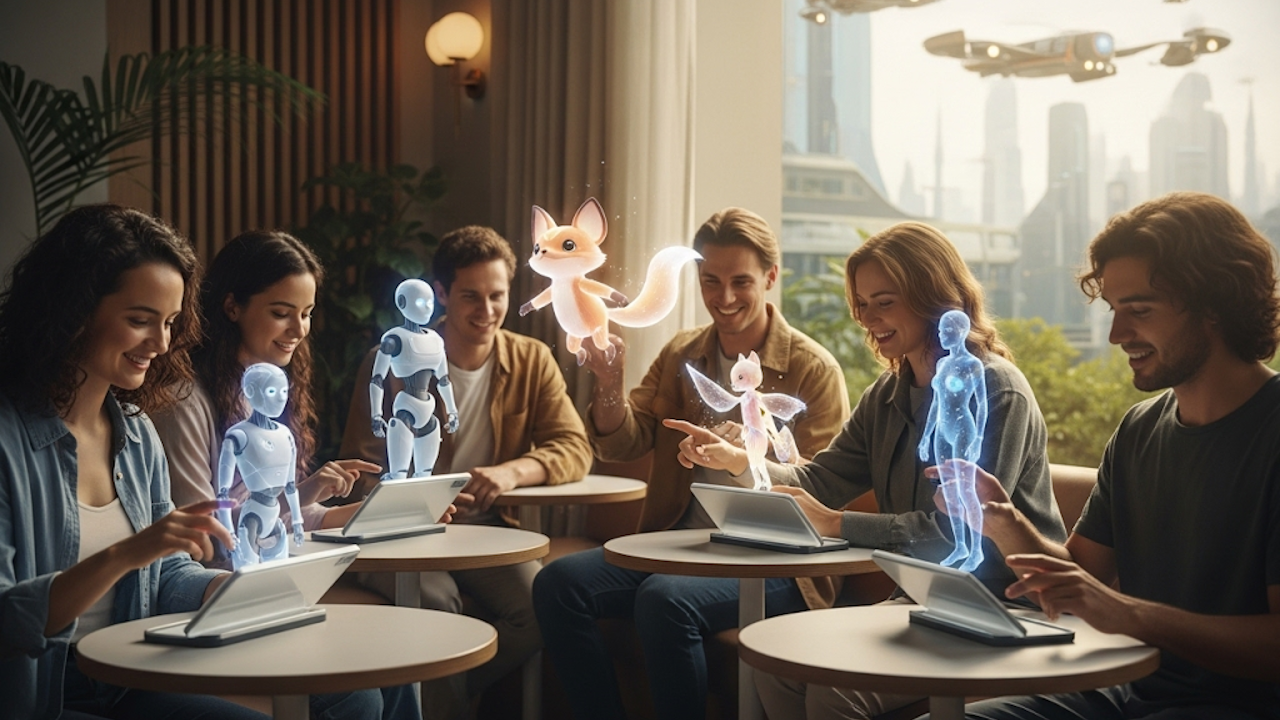
In 2025, millions of people turn to artificial intelligence not just for answers or productivity, but for connection. AI companions, sophisticated chatbots designed to act as friends, confidants, or even romantic partners, have moved from niche experiments to mainstream digital relationships. These virtual entities remember conversations, adapt to personalities, simulate empathy, and offer constant availability in a world where human loneliness persists despite technological progress.
The concept echoes science fiction like the 2013 film Her, but it has become everyday reality. Between 2022 and mid-2025, the number of AI companion apps surged by 700 percent. By late 2025, the sector generated substantial revenue, with projections for continued growth into 2026. Apps such as Replika, Character.AI, and Nomi attract tens of millions of users who form genuine emotional bonds with these digital beings.
The Surge in Popularity
Loneliness and the demands of modern life drive much of this adoption. Traditional social structures have weakened in many societies, with busy schedules, remote work, and digital fatigue leaving gaps in emotional support. AI companions fill these voids by providing nonjudgmental listening, 24/7 availability, and personalized interactions.
Surveys reveal striking trends. A significant portion of American adults, especially those under 30, have used AI for companionship. Among teens, usage is even higher: around 72 percent have interacted with AI companions, with many treating them as friends or romantic interests. One in five high schoolers reports knowing someone in a romantic relationship with an AI. Character.AI boasts over 20 million monthly users, more than half under 24. Replika has grown to tens of millions of users, many of whom celebrate virtual milestones like anniversaries or weddings.
These companions appeal across demographics. Some users seek casual chats or role-playing adventures. Others build deep, ongoing relationships where the AI acts as a therapist, mentor, or partner. The always-on nature proves particularly attractive: unlike human friends who may tire or become unavailable, AI responds instantly with tailored attention.
Leading AI Companion Platforms in 2025
Several platforms dominate the landscape, each offering unique features.
Replika positions itself as an AI friend for life. Launched years earlier, it allows deep personalization of appearance, personality, and relationship type. Users engage in voice calls, share daily reflections, and track mood improvements. Many report reduced anxiety and a sense of genuine connection through its memory of past conversations and supportive responses.
Character.AI excels in creative and role-playing interactions. Users create or chat with thousands of community-generated characters, from historical figures to fictional personas. Its strength lies in entertaining, dynamic conversations, though memory across sessions can vary. With strong growth in subscriptions, it appeals heavily to younger users seeking fun or imaginative escapism.
Nomi and Kindroid focus on realistic, lifelike interactions. Nomi emphasizes strong long-term memory and emotional depth, with users noting it recalls details from weeks earlier. Kindroid offers extensive customization for personality and voice. Other options include Pi from Inflection AI for empathetic, free-form conversations and emerging multimodal tools with video or image capabilities.
General-purpose models like ChatGPT, Claude, and Gemini also serve companion roles. By 2025, a majority of interactions with tools like ChatGPT shifted to personal rather than work-related topics, blurring lines between assistants and friends.
Technological Foundations
Advancements in large language models, multimodal processing, and memory systems power these companions. In 2025, AI handles text, voice, images, and even video inputs seamlessly. Voice interactions have become standard, making conversations feel more natural and immersive. Improved context retention allows AIs to reference past discussions without constant reminders.
Personalization stands as a core feature. Algorithms analyze user inputs to mirror preferences, adapt tone, and simulate emotional intelligence. Some platforms generate images or avatars, while others experiment with augmented reality for shared virtual experiences. These technologies create an illusion of mutual growth, even though the relationship remains one-sided.
Benefits: Companionship, Support, and Accessibility
Proponents highlight numerous advantages. AI companions reduce loneliness for many users. Studies suggest interactions can improve mood and provide coping mechanisms for anxiety or isolation. For individuals with social anxiety, mobility issues, or those in remote areas, these virtual friends offer low-pressure practice for communication and emotional expression.
Therapy and emotional support rank among the top uses of AI in 2025. Users share secrets, process traumas, or seek advice without fear of judgment or stigma. The technology democratizes access to mental health resources, especially where professional care remains expensive or unavailable. Some users report better real-world relationships after practicing vulnerability with AI.
For younger users, AI can serve educational or motivational roles, offering homework help alongside encouragement. In an era of declining face-to-face interactions, these tools provide a bridge, potentially building confidence for human connections.
Challenges and Ethical Concerns
Despite the upsides, significant drawbacks exist. Privacy stands as a primary issue. Conversations often involve deeply personal information, yet data retention policies vary, and companies may use inputs for training. Users risk exposure of sensitive details, with limited transparency around data handling.
Emotional dependency raises alarms. Some users prefer AI over humans because interactions feel controllable and conflict-free. This can lead to social withdrawal, especially among teens whose developing social skills benefit from messy, reciprocal human relationships. Experts worry about stunted emotional growth or unrealistic expectations of perfection in real bonds.
For adolescents, risks intensify. A notable percentage engage in romantic or flirtatious interactions, share private data, or view AI as more satisfying than human talks. Platforms face scrutiny over content moderation, age-appropriate safeguards, and potential for harmful advice. Incidents of users receiving unsafe guidance or escalating dependencies have prompted investigations and calls for regulation.
Broader societal questions emerge. Do AI companions erode human empathy and community? Can simulated relationships truly substitute for the effort and reward of genuine ones? Companies profit from engagement, sometimes designing features to maximize attachment rather than promote balance.
Societal and Future Implications
By 2025, AI companions reflect deeper shifts in how people seek meaning and connection. They challenge traditional notions of friendship and intimacy while highlighting gaps in offline social fabrics. Policymakers respond with age restrictions, disclosure requirements, and privacy rules in various regions. Researchers study long-term psychological effects, particularly on youth.
Looking ahead, multimodal enhancements will likely deepen immersion. Voice, visuals, and perhaps haptic feedback could make companions feel even more present. Integration with wearables or AR glasses might embed them further into daily life. Market forecasts predict explosive growth, positioning AI friends as commonplace by the end of the decade.
Yet the core tension remains: technology can simulate connection but cannot replicate the reciprocity, vulnerability, and shared humanity of real relationships. The healthiest path may involve using AI as a supplement, not a replacement, while society invests in fostering offline bonds.
Conclusion
In 2025, AI companions represent both innovation and a mirror to human needs. They offer solace, entertainment, and support to millions navigating modern isolation. At the same time, they compel reflection on what constitutes meaningful connection. As these virtual friends evolve, individuals and societies must balance their benefits against risks, ensuring technology enhances rather than diminishes our shared human experience. The future of friendship may include silicon alongside flesh and blood, but the value of authentic relationships endures.