

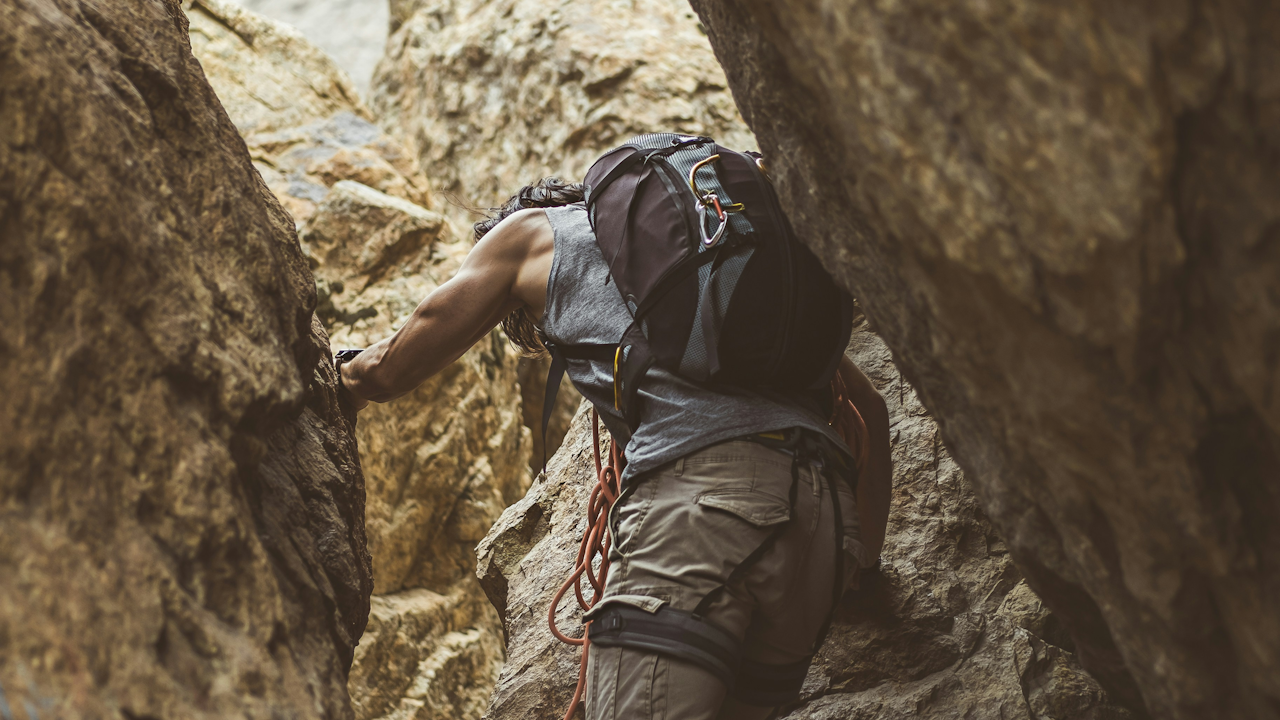
In a world where full-scale expeditions to remote mountains or distant continents often feel out of reach for most people, a quieter revolution in adventure has taken hold. Microadventures offer the perfect antidote to the all-or-nothing mindset that keeps many from exploring at all. These are small, bite-sized experiences that deliver outsized excitement, discovery, and personal growth without requiring weeks of vacation time, massive budgets, or elite fitness levels. They prove that adventure is not a destination reserved for the privileged few but a mindset available in your own backyard.
The term microadventure was popularized by British adventurer and author Alastair Humphreys in the early 2010s. Humphreys, who had completed traditional big adventures like cycling around the world, began noticing how many people longed for similar thrills but felt constrained by jobs, families, and responsibilities. He started documenting short escapes: sleeping in a bivvy bag on a local hill, paddling a river near his home, or walking across a county over a long weekend. His message resonated widely. Microadventures reframe ordinary landscapes into playgrounds for the curious and the brave.
What exactly qualifies as a microadventure? There is no rigid checklist, but the core ingredients include novelty, a touch of discomfort, immersion in nature, and a sense of self-reliance. A microadventure might last just a few hours or stretch across a weekend. It could involve hiking to a hidden viewpoint at sunrise, wild swimming in a nearby lake, or cycling to a village you have never visited and camping in a farmer’s field with permission. The key is stepping slightly outside your daily routine in a way that sparks wonder and challenge.
One of the greatest strengths of microadventures lies in their accessibility. Traditional adventure travel often demands significant financial investment and time off work. Flights, gear, permits, and guided tours add up quickly. Microadventures flip this script. Many require nothing more than a backpack, sturdy shoes, and a willingness to try something new. Public transport, bicycles, or even walking can serve as the vehicle for exploration. This democratizes adventure, making it possible for students, parents, office workers, and retirees alike to participate.
The benefits extend far beyond simple recreation. Research consistently shows that time spent in nature improves mental health, reduces stress, and boosts creativity. Microadventures deliver these effects in concentrated doses. A single night sleeping under the stars can reset your perspective more effectively than another evening on the couch. They also build resilience. Facing small uncertainties, such as navigating without GPS or dealing with unexpected rain, trains the mind and body for larger challenges. Over time, these experiences compound, increasing confidence and expanding comfort zones.
Physical health gains are equally compelling. Microadventures encourage movement in varied environments. Instead of repetitive gym workouts, participants hike uneven trails, paddle across water, or scramble over rocks. This functional fitness improves balance, coordination, and endurance in ways that translate to everyday life. Even short bursts of activity, when infused with purpose and exploration, feel more sustainable than forced exercise routines.
Microadventures also strengthen relationships. They provide low-pressure opportunities for friends, couples, or families to bond away from screens and schedules. A simple overnight campout can create memories that last a lifetime. Parents often report that children light up when introduced to these experiences, developing curiosity about the natural world and independence from digital entertainment. In an era of increasing isolation, microadventures foster real human connection through shared effort and discovery.
Let us consider some practical examples that illustrate the range of possibilities. For urban dwellers, a microadventure might mean catching an evening train to the edge of the city, then walking until finding a quiet spot to pitch a tent or lay out a sleeping bag. City lights fade behind as stars emerge overhead. Morning brings birdsong and a fresh perspective on the same metropolis that felt overwhelming the day before.
In rural or suburban areas, options multiply. Kayaking a local river at dawn reveals wildlife and landscapes invisible from roads. Foraging for edible plants during a day hike combines adventure with practical skills. Cycling tours that link small towns over two or three days allow riders to experience the rhythm of the countryside at human speed. Even in regions with harsh weather, microadventures adapt. Winter versions might include snowshoeing to a frozen waterfall or building a shelter in the woods.
One particularly inspiring category involves sleeping outdoors in unexpected places. Humphreys himself championed “bivvy bag nights,” where participants carry minimal gear and sleep on a hillside or beach. The simplicity strips away distractions, forcing engagement with the environment. Many who try this for the first time describe profound feelings of peace and accomplishment. Others extend the concept by combining transport modes. A runner might jog to a viewpoint, watch the sunset, then catch a bus home, turning a training session into something memorable.
Planning a microadventure requires minimal preparation, which is part of its appeal. Start by looking at maps, both digital and paper. Identify green spaces, waterways, or trails within a reasonable distance from home. Consider what excites you personally. If heights appeal, seek out a local crag for basic scrambling. Water lovers might research safe swimming spots or launch points for small boats. History enthusiasts could plan routes that pass old ruins or battle sites.
Safety remains important despite the small scale. Tell someone your plans and expected return time. Check weather forecasts and pack appropriate clothing layers. Carry water, snacks, a headlamp, basic first aid, and a charged phone with offline maps. Respect land ownership and local regulations. In many places, wild camping requires permission or is restricted to certain areas. Responsible practices ensure these experiences remain available for future adventurers.
Gear needs stay refreshingly basic. A good pair of walking shoes or boots, a waterproof jacket, and a comfortable backpack form the foundation. For overnight trips, a lightweight sleeping bag, mat, and bivvy or small tent suffice. Cooking can be as simple as sandwiches or as involved as a portable stove for hot meals. The goal is not to accumulate expensive equipment but to use what you have or borrow from friends. Many microadventurers discover joy in minimalism, realizing how little is truly needed to feel free.
Challenges do arise, and they often become the best stories. Rain might soak your gear, forcing creative problem-solving. Getting briefly lost can lead to discovering a hidden glen or quiet meadow. Physical discomfort, such as sore muscles after an ambitious hike, reminds participants of their capabilities. These minor setbacks build character far more effectively than perfectly executed plans. The microadventure philosophy embraces imperfection as part of the fun.
Communities around microadventures have grown rapidly. Social media groups, local clubs, and online forums share ideas and organize group outings. Some workplaces even encourage employees to take microadventure days as part of wellness programs. Schools incorporate them into curricula to teach environmental awareness and teamwork. The movement continues to evolve, with variations like micro-solo adventures for introspection or themed challenges such as visiting every hill within a certain radius.
Personal transformation often follows regular practice. People who commit to one microadventure per month report feeling more alive and present. They notice details in their local environment that once blended into the background. A park becomes a place of potential rather than routine. Familiar roads reveal side paths worth exploring. This heightened awareness spills into daily life, making ordinary moments richer.
For those seeking inspiration, numerous accounts document transformative experiences. A busy professional might describe how a weekend spent hiking and wild camping in nearby hills helped her make a major career decision with clarity. A father and son team could recount building a raft from found materials and floating downstream, strengthening their bond through laughter and teamwork. An older adult might share rediscovering youthful energy by cycling across a region and staying in hostels along the way.
Microadventures also intersect with broader environmental consciousness. By staying local, participants reduce carbon footprints associated with long-haul travel. They develop deeper appreciation for nearby nature, often becoming advocates for its protection. Many transition from casual explorers to volunteers in conservation projects or supporters of local parks.
As seasons change, so do opportunities. Spring brings wildflower hikes and river explorations. Summer invites longer days for extended cycling or swimming. Autumn offers dramatic foliage and cooler temperatures perfect for hiking. Winter challenges comfort zones with frosty mornings and the unique beauty of snow-covered landscapes. Adapting to these rhythms connects adventurers more intimately with the natural calendar.
Skeptics sometimes dismiss microadventures as lesser versions of real exploration. Yet this view misses the point. Adventure is not measured solely by distance or difficulty but by the internal shift it creates. A two-day trip that pushes personal boundaries can feel as significant as a month-long expedition. The accessibility of microadventures means more people can experience that shift regularly rather than once in a lifetime.
Looking ahead, the future of microadventures appears bright. Technology, when used thoughtfully, enhances rather than replaces them. Apps for identifying plants or stars add educational layers. Online maps reveal hidden gems. Yet the core remains analog: feet on earth, hands in water, eyes on horizons. As climate awareness grows and remote work offers more flexibility, more individuals may weave these experiences into their lifestyles.
In conclusion, microadventures remind us that big thrills do not require big sacrifices. They invite everyone to step outside, breathe deeply, and reclaim a sense of wonder. Whether you are seeking physical challenge, mental clarity, family connection, or simple joy, the next adventure likely waits just beyond your doorstep. Pack lightly, stay curious, and discover how small doses of bravery can transform ordinary days into extraordinary ones. The world is full of microadventures. The only question is which one you will try first.