

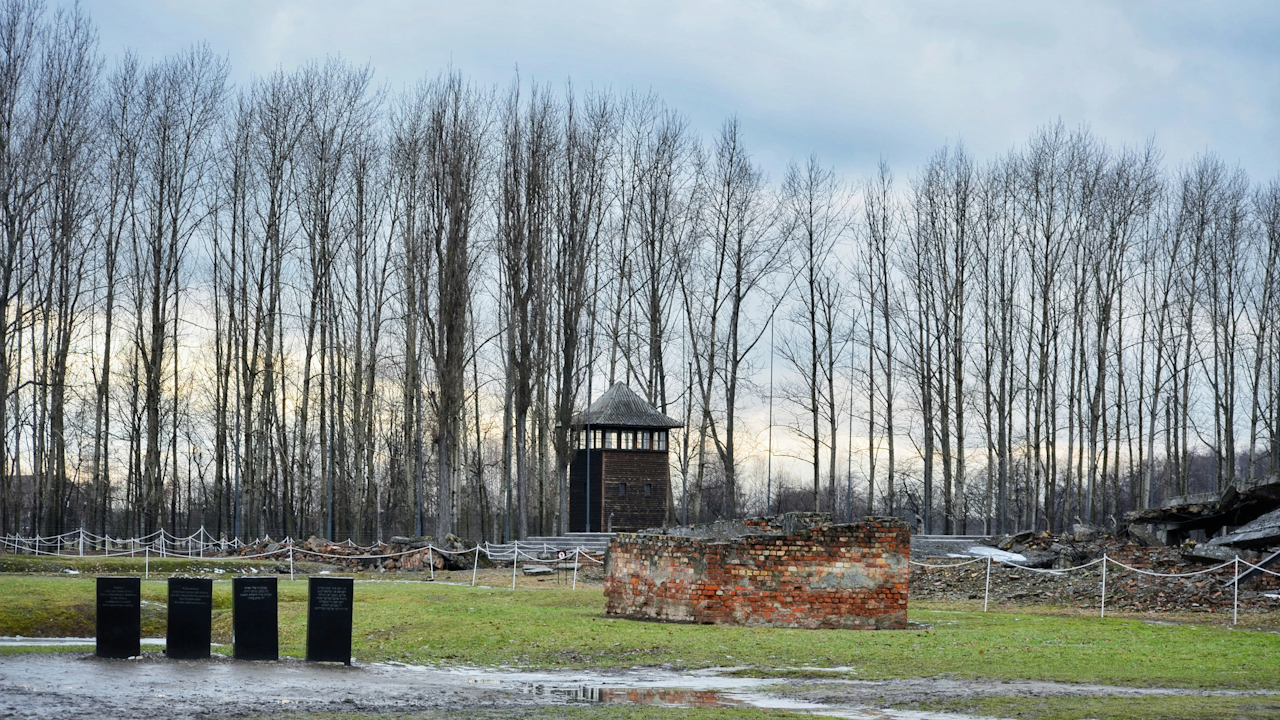
Dark tourism refers to travel to locations associated with death, suffering, tragedy, or the macabre. These sites include former concentration camps, battlefields, sites of natural disasters, prisons, and locations of infamous crimes or accidents. Travelers seek out such places not for leisure in the conventional sense but for reasons ranging from historical education and remembrance to personal reflection and a confrontation with mortality. The phenomenon has grown significantly in recent decades, fueled by greater global connectivity, media portrayals of historical events, and a human fascination with the darker chapters of history.
The term “dark tourism” was coined in the late 1990s by researchers John Lennon and Malcolm Foley in their book Dark Tourism: The Attraction of Death and Disaster. They described it as a modern trend where tourism intersects with sites of death and disaster. However, the practice itself is far older. Pilgrimages to sites of religious martyrdom or ancient battlefields have existed for centuries. In the 19th century, tourists visited the ruins of Pompeii or the aftermath of the American Civil War battlefields. The scale and commercialization of such visits expanded dramatically in the 20th and 21st centuries.
One of the most prominent examples remains Auschwitz-Birkenau in Poland, the site of the largest Nazi concentration and extermination camp during World War II. Millions visit annually to walk through the preserved barracks, gas chambers, and crematoria. The site serves as a stark memorial to the Holocaust, where over one million people, primarily Jews, were murdered. Visitors often describe the experience as profoundly moving, evoking a sense of duty to remember and prevent future atrocities. Similar sites include the Hiroshima Peace Memorial in Japan, commemorating the atomic bombing in 1945, and the Killing Fields in Cambodia, where the Khmer Rouge regime executed vast numbers of its own citizens in the 1970s.
Chernobyl in Ukraine draws thousands each year to the abandoned city of Pripyat and the surrounding exclusion zone. The 1986 nuclear disaster left a radioactive landscape that nature has slowly reclaimed. Tours, strictly regulated for safety, allow visitors to see the derelict amusement park, schools with scattered books, and the reactor sarcophagus. The appeal lies in witnessing the tangible consequences of technological failure and human error on a massive scale. In the United States, sites like the 9/11 Memorial and Museum at Ground Zero in New York City attract millions. The museum displays artifacts from the attacks, personal stories, and remnants of the Twin Towers, blending education with commemoration.
Other categories of dark tourism sites include prisons and execution grounds. Alcatraz Island in San Francisco Bay, once a maximum-security federal penitentiary, now operates as a tourist attraction. Visitors take audio tours through cell blocks, learning about notorious inmates like Al Capone. In London, the Tower of London combines royal history with tales of imprisonment and beheading. Disaster sites also feature prominently, such as the Titanic wreck, accessible via expensive submarine expeditions, or areas affected by Hurricane Katrina in New Orleans, where tours highlight both destruction and recovery efforts.
Battlefields constitute another major subset. Gettysburg National Military Park in Pennsylvania draws history enthusiasts to retrace the pivotal 1863 Civil War battle. Guided tours, reenactments, and monuments provide context for the immense loss of life. In Europe, the beaches of Normandy in France host annual commemorations of D-Day, with museums and preserved bunkers allowing visitors to engage with the events of World War II. These sites often balance somber reflection with strategic and military education.
Motivations for engaging in dark tourism vary widely. For many, it is educational. Schools and universities organize trips to Holocaust sites to teach about tolerance and human rights. Others seek a form of pilgrimage, honoring victims or connecting with ancestral histories, particularly descendants of those affected by genocide or war. Some visitors report a psychological draw toward confronting their own mortality or processing collective trauma. There is also an element of thrill-seeking, sometimes called “thanatourism,” where the macabre provides an adrenaline rush similar to extreme sports. Media influence plays a role too. Films like Schindler’s List, documentaries on Chernobyl, or series depicting historical tragedies spark interest and subsequent visits.
The rise of social media has amplified dark tourism. Tourists share photographs at sites of tragedy, sometimes prompting criticism for insensitivity. Selfies at Auschwitz or Chernobyl have ignited debates about respect versus documentation. Critics argue that such behavior trivializes suffering, turning sacred ground into backdrops for personal branding. Proponents counter that sharing experiences raises awareness and encourages dialogue, provided it is done thoughtfully.
Ethical considerations form a central tension in dark tourism. On one hand, these visits can generate revenue that funds preservation, education, and support for survivors or affected communities. Entry fees at Auschwitz help maintain the site as a museum and research center. Tourism in Rwanda after the 1994 genocide has aided economic recovery while promoting reconciliation through genocide memorials. On the other hand, commercialization risks exploitation. Souvenir shops selling items near sensitive sites or guided tours that sensationalize horror can feel disrespectful. Questions arise about who benefits financially and whether local voices control the narrative.
There is also the issue of voyeurism. Does visiting a site of recent tragedy, such as areas devastated by earthquakes or terrorist attacks, intrude on ongoing grief? Timing matters. Immediately after events like the 2004 Indian Ocean tsunami, some tours were accused of disaster tourism that hindered relief efforts. Responsible operators now emphasize sensitivity, education, and support for rebuilding.
Psychological impacts on visitors deserve attention. Studies suggest that many experience a range of emotions including sadness, anger, empathy, and even catharsis. For some, the visit fosters personal growth or a renewed commitment to social justice. Others may feel overwhelmed or haunted by what they witness. Mental health professionals note that preparation, such as reading background material or participating in guided discussions, can help process these experiences. For locals living near these sites, the constant influx of tourists can be both economically beneficial and emotionally taxing, serving as a perpetual reminder of past pain.
Economic and social effects extend beyond individuals. In post-conflict or post-disaster regions, dark tourism can diversify economies heavily reliant on traditional sectors. Cambodia has leveraged its dark history to attract international visitors, funding infrastructure improvements. However, over-reliance on such tourism carries risks if global interest wanes or if political narratives shift interpretations of history. Authenticity becomes crucial. Reconstructed sites or overly sanitized presentations can distort historical truth, while overly graphic ones may alienate audiences.
The COVID-19 pandemic temporarily halted much of dark tourism, prompting reflection on its sustainability. Virtual tours of sites like the Anne Frank House or virtual reality experiences at battlefields offered alternatives, raising questions about whether physical presence is essential for meaningful engagement. As travel rebounds, operators increasingly incorporate sustainability practices, such as limiting group sizes to reduce environmental and emotional strain on sites.
Looking ahead, dark tourism shows no signs of decline. Emerging sites include locations tied to climate change disasters, pandemics, or modern conflicts. Space tourism may one day include visits to orbital debris fields or future extraterrestrial accident sites, extending the concept further. Technology will likely play a larger role, with augmented reality overlays providing deeper historical context without physical intrusion.
Scholars continue to debate definitions and boundaries. Some prefer terms like “heritage tourism” or “thanatourism” to capture nuances. What unites them is humanity’s enduring interest in confronting the past’s tragedies. These visits can serve as powerful tools for empathy, learning, and prevention when approached with respect and critical thinking. They remind us that history is not abstract but lived through real places and real people.
In balancing curiosity with compassion, dark tourism challenges societies to preserve painful memories without allowing them to define the future. As more travelers seek these experiences, the responsibility falls on operators, visitors, and communities to ensure such journeys honor the dead while enlightening the living. The practice ultimately reflects a deep human need to understand suffering, resilience, and the complex tapestry of our shared story.